Species Explorer
Browse and search species from the IUCN Red List and GBIF.
54,666 species
Ikzora Blan
VUIxora pudica

Imperial Mushroom
VUCatathelasma imperiale
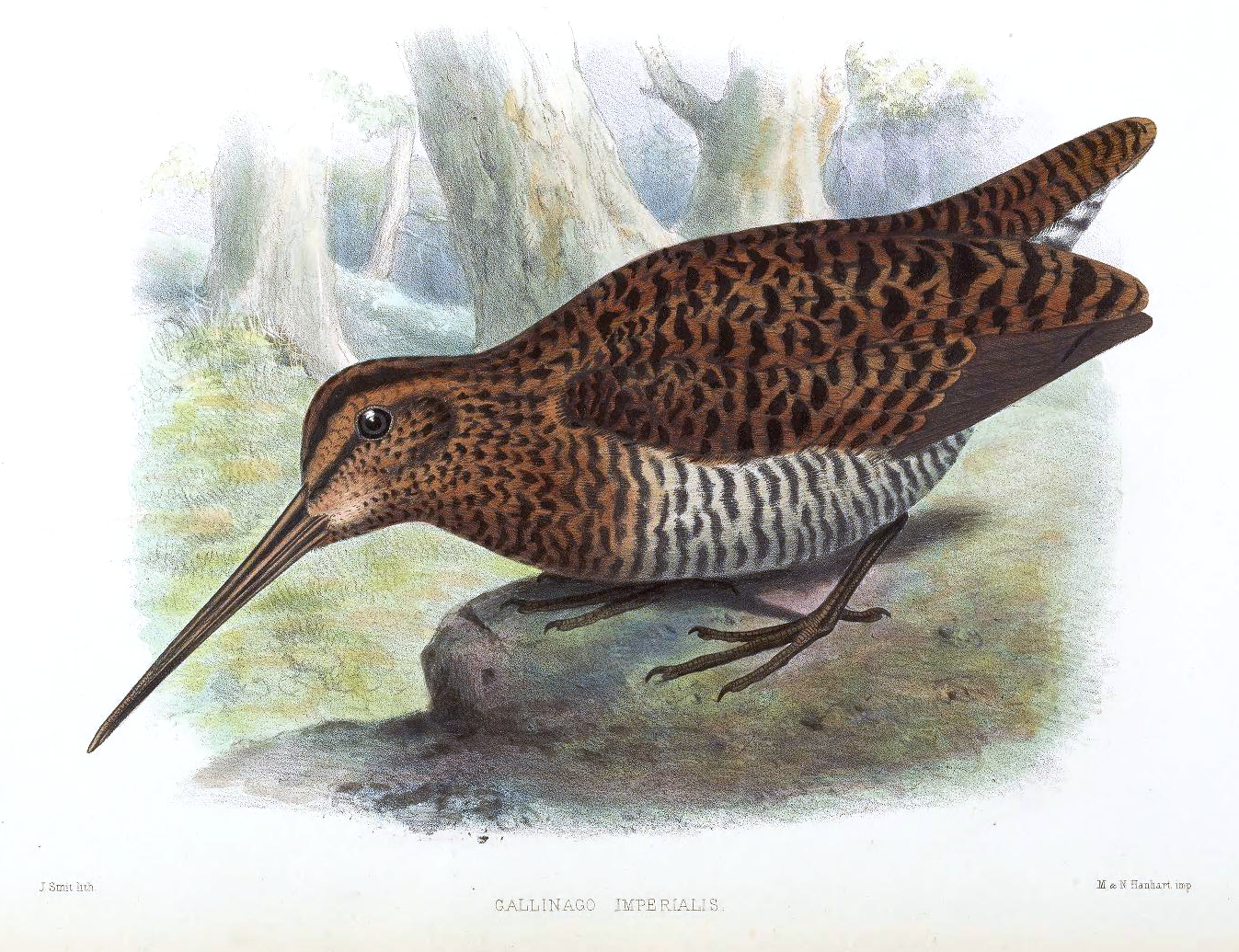
Imperial Snipe
VUGallinago imperialis
Inclined Twisted Moss
VUTortella inclinata
Indefatigable Galapagos Mouse
VUNesoryzomys indefessus
Indian Flying Frog
VUPterorana khare
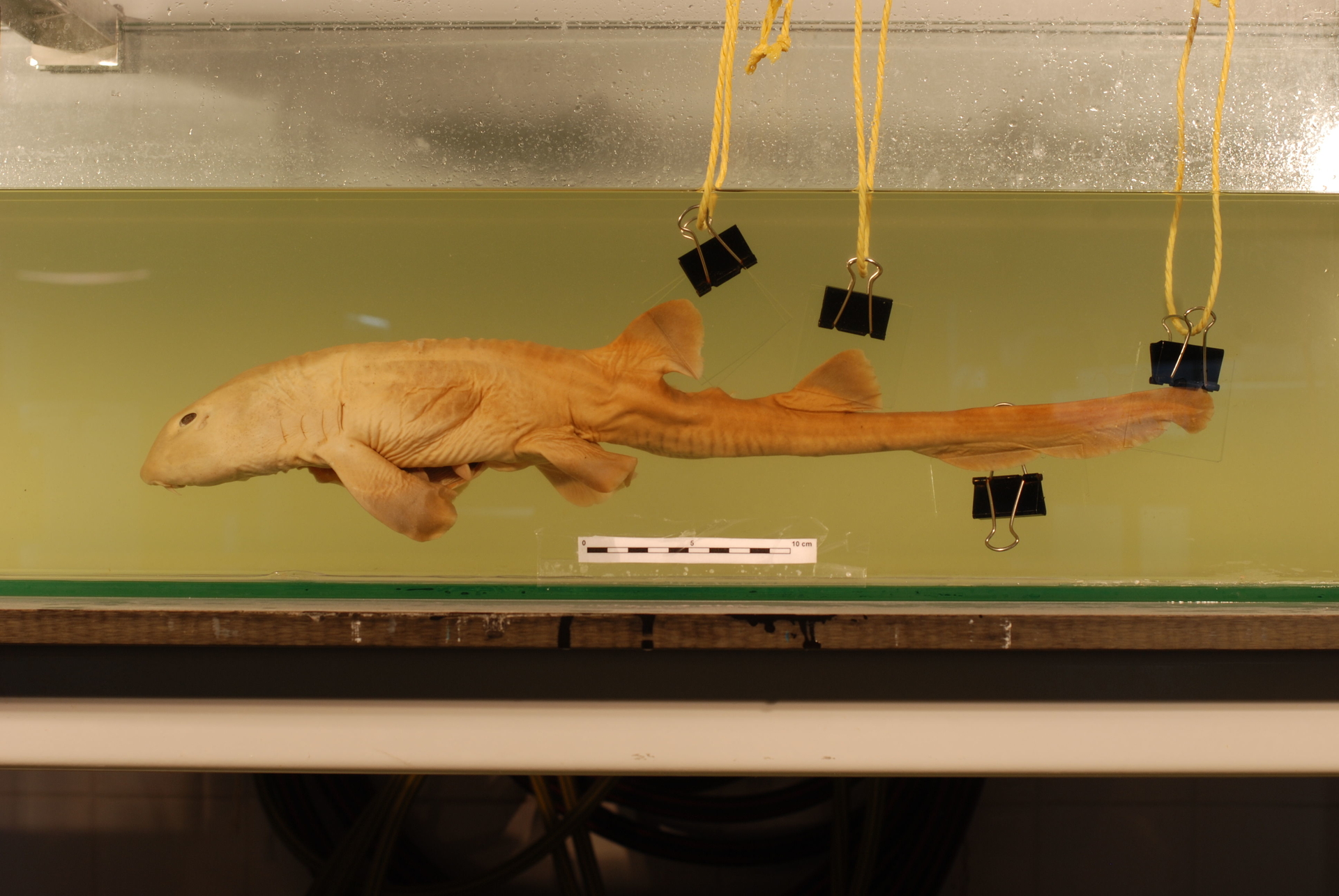
Indonesian Bambooshark
ENChiloscyllium hasseltii
The Indonesian Bambooshark faces severe population declines primarily due to intensive fishing pressure throughout its limited range in Indonesian waters. Habitat degradation from coastal development and pollution, combined with the species' restricted distribution and slow reproductive rate, compounds its vulnerability to extinction.
Indsænket gulskivelav
CRProtoblastenia incrustans
Protoblastenia incrustans is critically endangered primarily due to habitat loss and degradation of its specialized coastal rock environments. The species faces severe pressure from coastal development, pollution, and climate change impacts including sea level rise and increased storm intensity that alter its rocky substrate habitats.

Inflated Notchwort
ENGymnocolea inflata
Inflated Notchwort faces severe decline primarily due to habitat destruction from agricultural expansion, urban development, and drainage of wetland areas. Climate change and pollution further threaten the specialized microhabitats this bryophyte requires for survival.
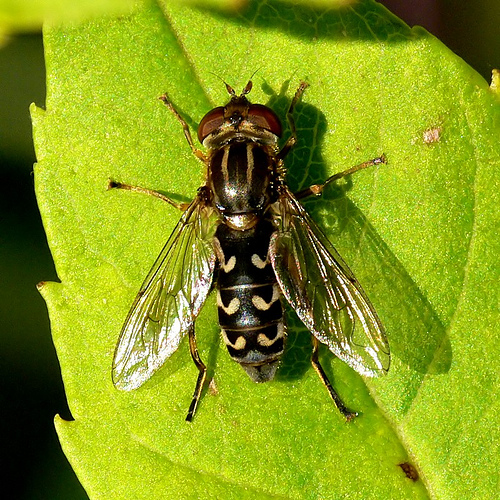
ingesnoerde waterzweefvlieg
ENAnasimyia contracta
Anasimyia contracta is declining primarily due to habitat loss and degradation of wetland ecosystems. The species is particularly vulnerable to water pollution, drainage of wetlands, and changes in water quality that affect the aquatic environments where its larvae develop.

Inocybe de godey
VUInocybe godeyi
Intermediate Hook-moss
VUScorpidium cossonii

Intermediate Lady's-mantle
VUAlchemilla xanthochlora
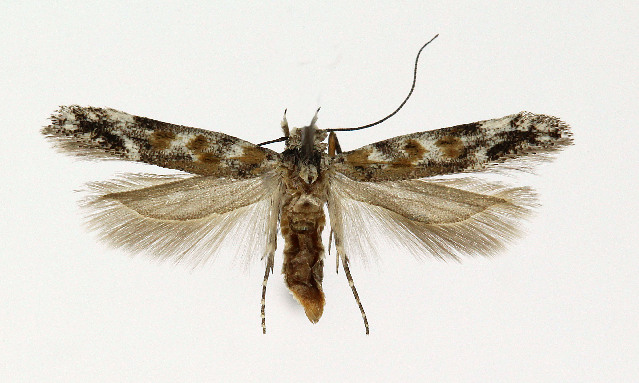
Inverness Groundling
ENGnorimoschema streliciella
The Inverness Groundling is primarily threatened by habitat loss and degradation due to agricultural intensification and urban development in its limited range. Climate change poses additional risks through altered precipitation patterns and temperature regimes that may affect its host plants and breeding cycles.

Inyo Mountains Slender Salamander
ENBatrachoseps campi
The Inyo Mountains Slender Salamander faces severe threats from its extremely limited range and specialized habitat requirements in the arid Inyo Mountains of California. Climate change poses a significant risk by altering the delicate moisture conditions this species depends on, while human activities including mining, recreation, and development threaten to fragment or destroy critical habitat areas.

Iolas Blue
VUIolana iolas

Iringa Ground Robin
VUSheppardia lowei
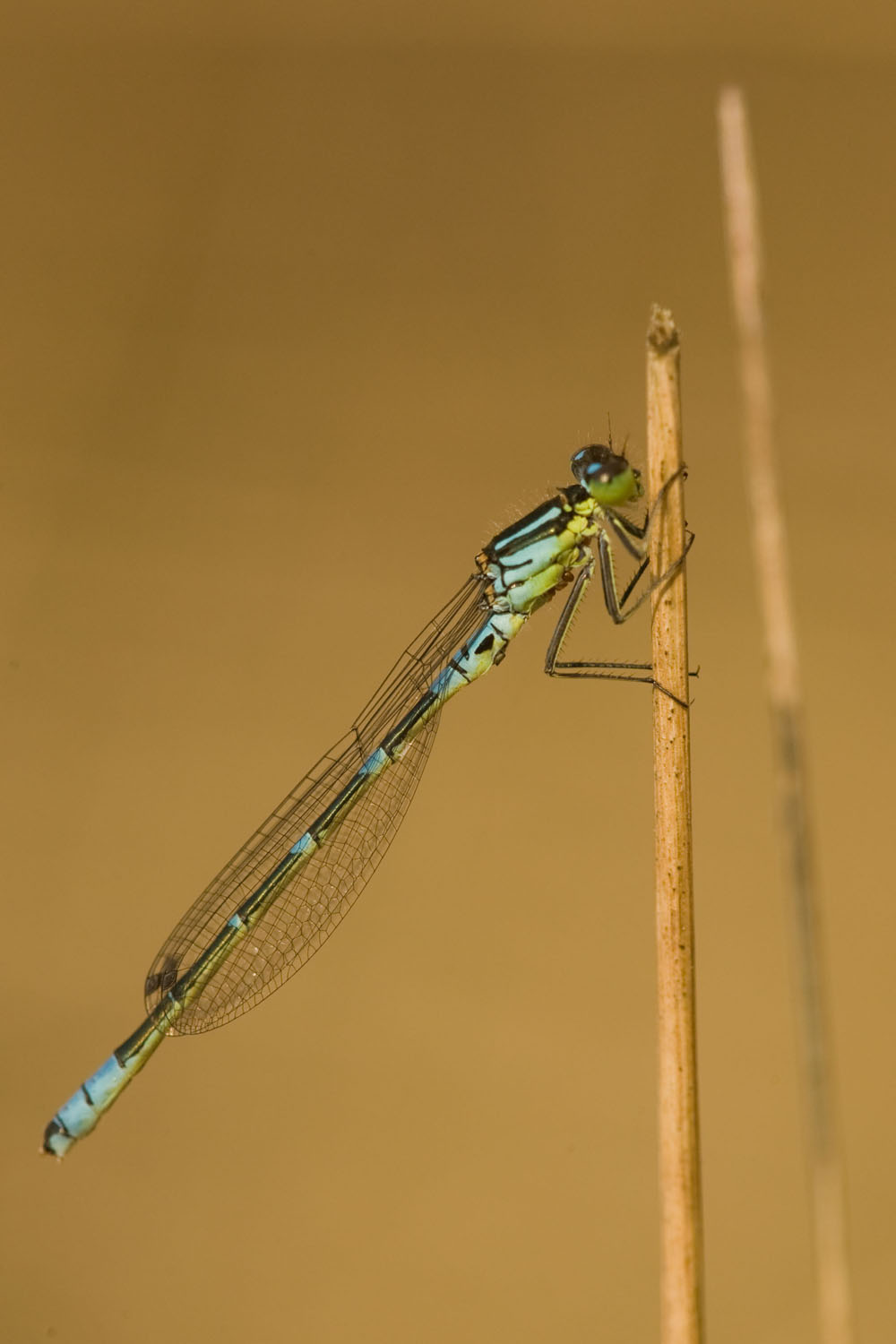
Irish Damselfly
VUCoenagrion lunulatum
Irish Major
VUOxycera fallenii
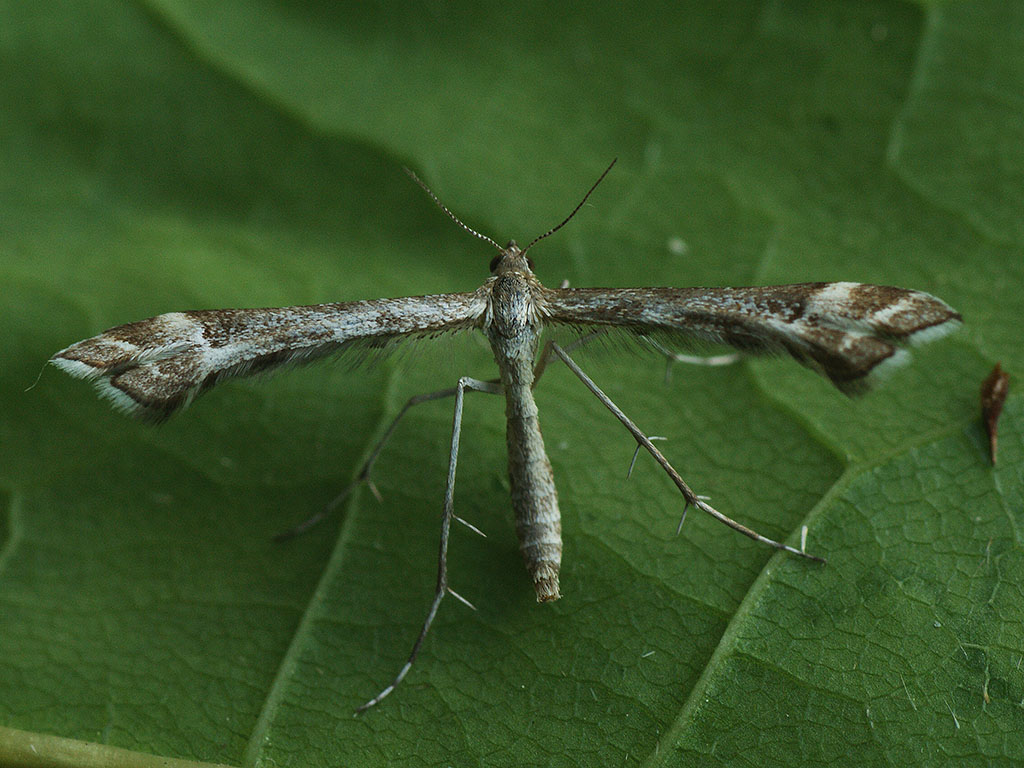
Irish Plume
VUPlatyptilia tesseradactyla
Irish Rock-bristle
VUSeligeria oelandica
isoaavekiiluri
ENSciapus basilicus
The species faces severe pressure from wetland drainage and agricultural runoff that degrades the water quality of its breeding habitats. Climate change-induced alterations to precipitation patterns and increased frequency of extreme weather events further threaten the delicate moisture balance required for successful reproduction.

Italian gudgeon
ENRomanogobio benacensis
The Italian gudgeon faces severe population declines primarily due to habitat degradation from water pollution, river channelization, and dam construction that fragments its freshwater ecosystems. Introduced non-native fish species compete for resources and alter the ecological balance of its limited range in northern Italian river systems.
Itaubarana
VUGuarea humaitensis
Itombwe Owl
ENPhodilus prigoginei
The Itombwe Owl faces severe threats from ongoing deforestation and habitat degradation in the Albertine Rift region of the Democratic Republic of Congo. Mining activities, agricultural expansion, and human settlement pressure continue to fragment and destroy the montane forest habitats this endemic species depends upon.
ivoorwesp
CRLestica alata
The ivoorwesp (Lestica alata) faces severe population declines due to widespread habitat destruction and fragmentation of its specialized nesting sites. Agricultural expansion and urban development have eliminated much of its preferred habitat, while climate change is altering the availability of its specific prey species and nesting conditions.

ivory palm
VUPhytelephas aequatorialis

Ivy Broomrape
ENOrobanche hederae
Ivy Broomrape is declining primarily due to habitat loss and degradation of coastal areas where its host plant, ivy, grows. Urban development, coastal erosion, and changes in land management practices have reduced suitable habitat availability. The species' highly specialized parasitic relationship with ivy makes it particularly vulnerable to any factors affecting its host plant populations.
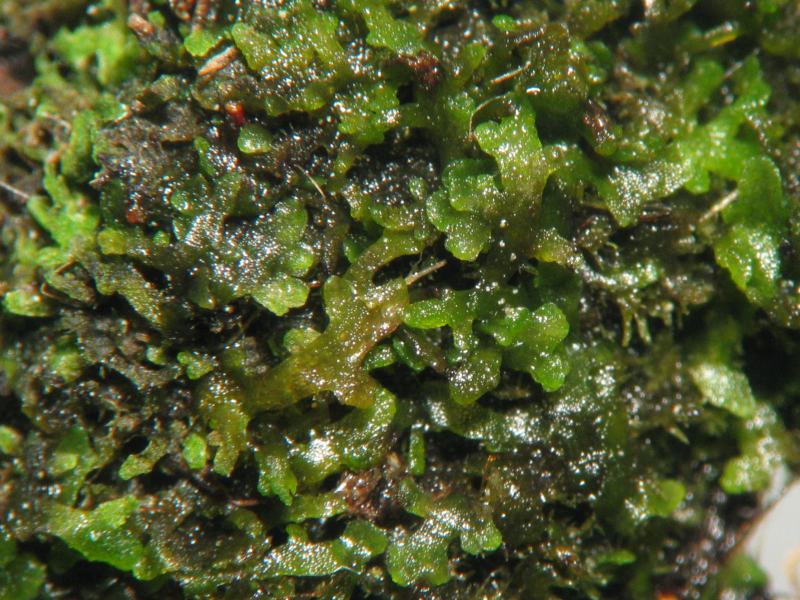
Jagged Germanderwort
VURiccardia chamedryfolia

Jaguarundi
VUPuma yagouaroundi
jaloasekärpänen
ENOdontomyia microleon
Odontomyia microleon faces severe population declines primarily due to habitat loss from agricultural intensification and wetland drainage in its limited range. The species' specialized habitat requirements and small population size make it particularly vulnerable to environmental changes and human disturbance.

Jamaican Oriole
CRIcterus leucopteryx
The Jamaican Oriole faces severe population decline primarily due to habitat destruction from deforestation, agricultural expansion, and urban development across its limited range in Jamaica. Hurricane damage and the introduction of invasive species have further compromised remaining forest habitats. Climate change poses an additional long-term threat through altered precipitation patterns and increased storm intensity.
Jamaican tonguefern
ENElaphoglossum eggersii
The Jamaican tonguefern faces severe threats from habitat destruction due to deforestation, agricultural expansion, and urban development in Jamaica's mountainous regions. Climate change poses additional risks through altered precipitation patterns and temperature increases that affect the humid microclimates this species requires.
järvihopeaseppä
CRGyrinus aeratus
Gyrinus aeratus, the lake whirligig beetle, faces severe population declines primarily due to habitat degradation and loss of suitable aquatic environments. Water pollution, eutrophication, and climate change impacts on freshwater ecosystems have significantly reduced the quality and availability of the clean, well-oxygenated lake habitats this species requires.
Jastrzębiec brunatny
VUPilosella fuscoatra
Java Stingaree
CRUrolophus javanicus
The Java Stingaree faces severe threats primarily from intensive fishing pressure and habitat degradation in its limited range around Java and southern Indonesia. Bottom trawling and other fishing activities directly impact this benthic species, while coastal development and pollution degrade its shallow marine habitats.

javillo
VUReutealis trisperma

Jellied Bolete
CRSuillus flavidus
Suillus flavidus faces severe population decline primarily due to habitat loss from deforestation and urban development in its limited range. The species' obligate mycorrhizal relationship with specific coniferous trees makes it particularly vulnerable to forest fragmentation and changes in forest composition.
Jenkins' Blenny
VULabrisomus jenkinsi
Jersey Mason Bee
CROsmia niveata
The Jersey Mason Bee faces severe threats primarily from habitat loss due to coastal development and quarrying activities that destroy its specialized nesting sites in soft sandstone cliffs. Climate change and sea level rise pose additional risks to its extremely limited coastal habitat on Jersey, while the species' tiny population size makes it vulnerable to stochastic events and genetic bottlenecks.
Jitó Mirim
VUTrichilia fasciculata
Joannas dvärgdyvel
VUOnthophagus joannae
jolsterhängevivel
VUDorytomus hirtipennis

jordhumlefluga
ENPocota personata
Pocota personata, the jordhumlefluga, is declining primarily due to habitat loss and degradation of its specialized wetland environments. Agricultural intensification, drainage of wetlands, and climate change are reducing the availability of suitable breeding and foraging sites for this hoverfly species.
jordskivlav
VUBuellia epigaea
jordstjärnstryffel
CRGeastrum flexuosum
Geastrum flexuosum faces severe population declines primarily due to habitat loss and degradation of its specialized woodland environments. The species requires specific soil conditions and mycorrhizal relationships that are increasingly disrupted by human activities and environmental changes.
jueltallfibbla
VUHieracium juelii

july belle
VUScotopteryx luridata
Junlian Odorous Frog
VUOdorrana junlianensis
kabilian
VUCynometra inaequifolia