Kentish Plover
ENEndangered

Kentish Plover

Charadrius alexandrinus

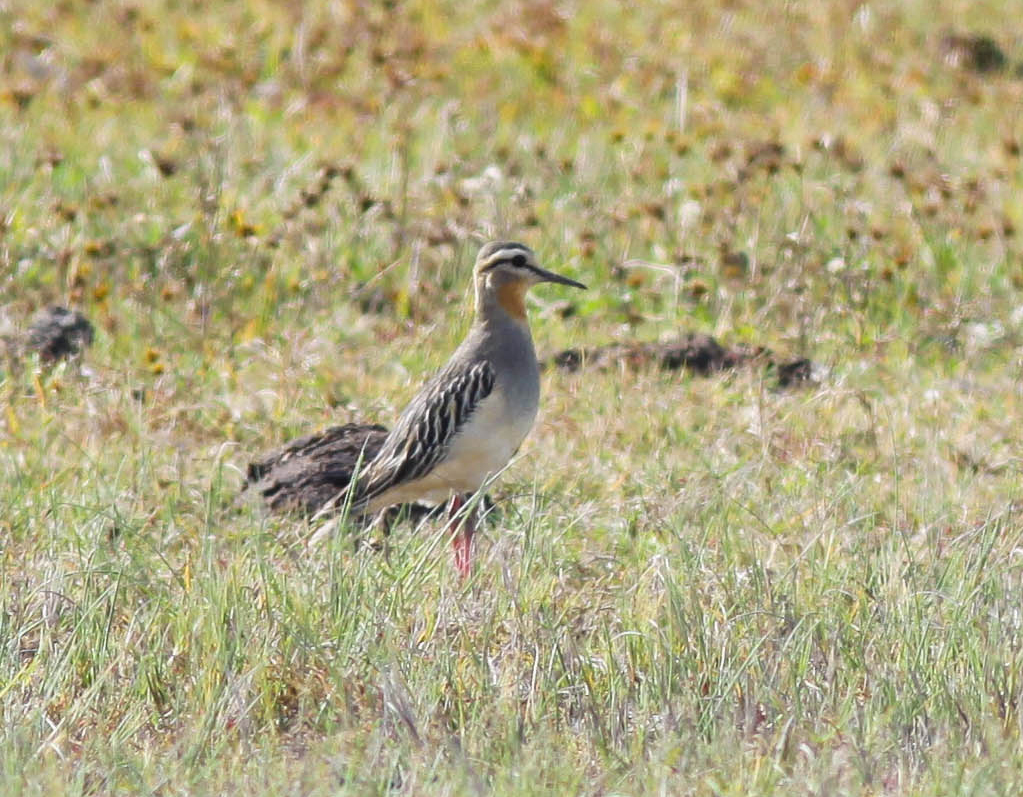
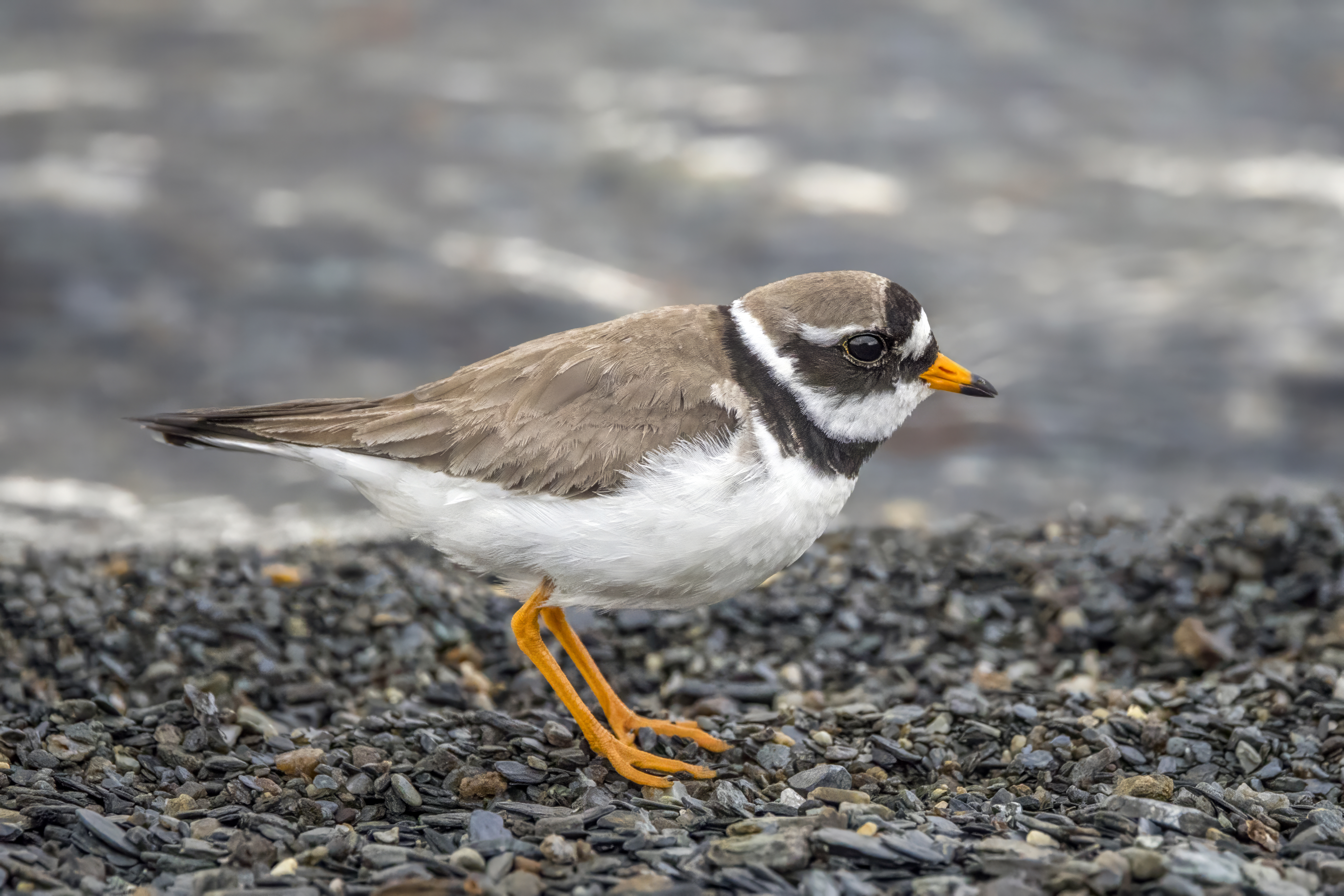
The Kentish plover is a small wader of the family Charadriidae that breeds on the shores of saline lakes, lagoons, and coasts, populating sand dunes, marshes, semi-arid desert, and tundra. Both male and female birds have pale plumages with a white underside, grey/brown back, dark legs and a dark bill; however, additionally the male birds also exhibit very dark incomplete breast bands, and dark markings either side of their head, therefore the Kentish plover is regarded as sexually dimorphic.

Photo: Wikimedia Commons (CC) via https://en.wikipedia.org/wiki/Kentish_plover

01Classification

Taxonomy & Classification

Kingdom

Animalia

Phylum

Chordata

Class

Aves

Order

Charadriiformes

Family

Charadriidae

Genus

Charadrius

Kentish Plover belongs to the family Charadriidae, order Charadriiformes, within the Aves class.

02Description

Species Profile

The Kentish plover is a small wader of the family Charadriidae that breeds on the shores of saline lakes, lagoons, and coasts, populating sand dunes, marshes, semi-arid desert, and tundra. Both male and female birds have pale plumages with a white underside, grey/brown back, dark legs and a dark bill; however, additionally the male birds also exhibit very dark incomplete breast bands, and dark markings either side of their head, therefore the Kentish plover is regarded as sexually dimorphic.

The Kentish Plover faces severe population declines primarily due to coastal habitat destruction from urban development, tourism infrastructure, and sea-level rise. Human disturbance at nesting sites, predation by introduced species, and pollution of coastal wetlands further threaten breeding success and survival rates.

Key Facts

IUCN StatusEndangered (EN)
GroupBirds
03Habitat

Habitat & Distribution

Kentish plovers have an extremely wide geographical distribution and their habitats vary not just spatially but environmentally too. They are known to reside and breed in multiple types of habitat, from desert with ground temperatures reaching 50 °C to tundra. The distribution of this species' breeding areas covers Europe, Asia and Africa. In Europe, populations are typically found in the...

MARINEMajorTERRESTRIALMajor
04Threats

Threats

!

IUCN Red List: Endangered

The Kentish Plover faces severe population declines primarily due to coastal habitat destruction from urban development, tourism infrastructure, and sea-level rise. Human disturbance at nesting sites, predation by introduced species, and pollution of coastal wetlands further threaten breeding success and survival rates.

Coastal habitat loss and degradation

HighOngoing

Human disturbance at breeding sites

HighOngoing

Tourism development and infrastructure

HighOngoing

Predation by introduced mammals

MediumOngoing

Sea-level rise and coastal erosion

MediumOngoing
07National Status

National vs Global Threat Status

How this species is assessed at the national level compared to its IUCN global status (EN).

CountryNational StatusGlobal StatusComparison
EULCLeast ConcernENEndangeredLower local risk

National Red List data sourced from the National Red List Project (nationalredlist.org, ZSL) and country-specific Red List authorities.

Community

Community Sightings

Report a sighting

No community sightings yet. Be the first to report!

07Sources

Sources & Attribution

How to Cite

IUCN: IUCN (2025). The IUCN Red List of Threatened Species. Version 2025-1. Available at: https://www.iucnredlist.org. doi:10.2305/IUCN.UK.2025-1.RLTS

GBIF: GBIF.org (2025). GBIF Home Page. Available at: https://www.gbif.org

National Red Lists: ZSL (2025). National Red List. Zoological Society of London. Available at: https://www.nationalredlist.org

This page: SpeciesRadar (2025). Kentish Plover (Charadrius alexandrinus). SpeciesRadar: Intelligence for Earth's Biodiversity. Available at: https://speciesradar.org/species/kentish-plover

Full citation guide & data usage terms