Agroeca dentigera
Overview
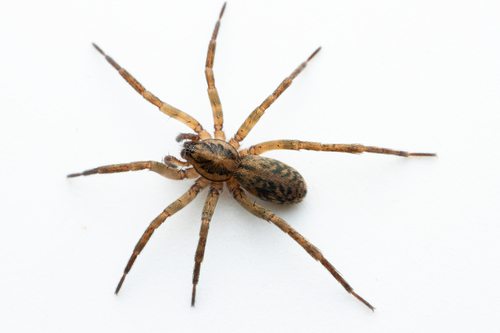
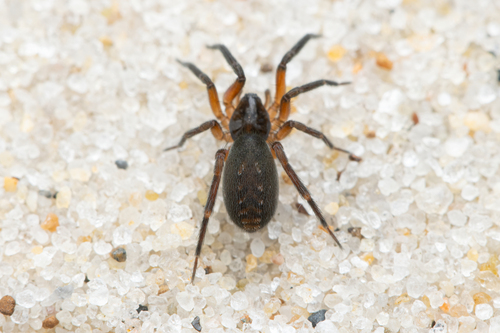
Agroeca dentigera is a small ground-dwelling spider species with a brownish coloration and distinctive dental-like projections on its chelicerae that give it its scientific name. This nocturnal hunter plays an important ecological role as both predator of small invertebrates and prey for larger arthropods and small vertebrates in its ecosystem.
Agroeca dentigera faces severe population declines primarily due to habitat loss and degradation of its specialized wetland environments. The species is particularly vulnerable to drainage of marshlands, agricultural intensification, and changes in water management practices that alter the moisture regimes of its preferred habitats.
Habitat
This spider inhabits the margins of marshes, bogs, and wet meadows, particularly favoring areas with dense sedge tussocks and moss layers that provide both hunting grounds and shelter. It requires consistently moist soil conditions and is typically found in areas subject to seasonal flooding or permanent high water tables.
Other threatened species in Liocranidae

Threatened in Belgium

Frequently asked questions
Why is Agroeca dentigera classified as Endangered?
Where does Agroeca dentigera live?
What are the main threats to Agroeca dentigera?
Get weekly conservation intelligence
One short digest a week of the most striking species and country data we ship, plus breaking conservation news paired with our database where it matters.
Free, no spam. One-click unsubscribe in every email.