
Key tree cactus
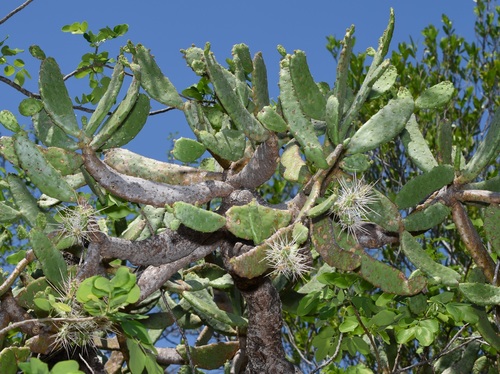
Pilosocereus robinii
Photo: Wikimedia Commons (CC) via https://en.wikipedia.org/wiki/Pilosocereus_robinii
Overview
Pilosocereus robinii is a species of cactus known by the common name Key tree-cactus. It is native to the Florida Keys in the United States, northwestern Cuba, and the north of The Bahamas. It has been erroneously reported from Puerto Rico, the Virgin Islands, and Mexico.
The Key tree cactus faces severe threats primarily from habitat loss due to coastal development and sea level rise in the Florida Keys. Hurricane damage and human disturbance from recreational activities further compound the species' vulnerability, with the extremely limited range making recovery difficult.
Habitat
Pilosocereus robinii is native to the north of The Bahamas (Andros and Cat Island north to Abaco), northwestern Cuba (the provinces of La Habana, Matanzas, and Mayabeque), and the United States (the Florida Keys). It is the only Pilosocereus species native to the United States.
In the Florida Keys, P. robinii grows in upland tropical hardwood hammocks on limestone or coral substrates. It...
Other threatened species in Cactaceae

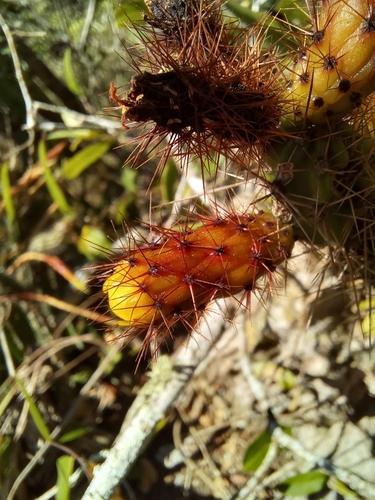
Threatened in Bahamas


Frequently asked questions
Why is Key tree cactus classified as Endangered?
Where does Key tree cactus live?
What are the main threats to Key tree cactus?
Get weekly conservation intelligence
One short digest a week of the most striking species and country data we ship, plus breaking conservation news paired with our database where it matters.
Free, no spam. One-click unsubscribe in every email.