
Kauai Nukupuu
Hemignathus hanapepe
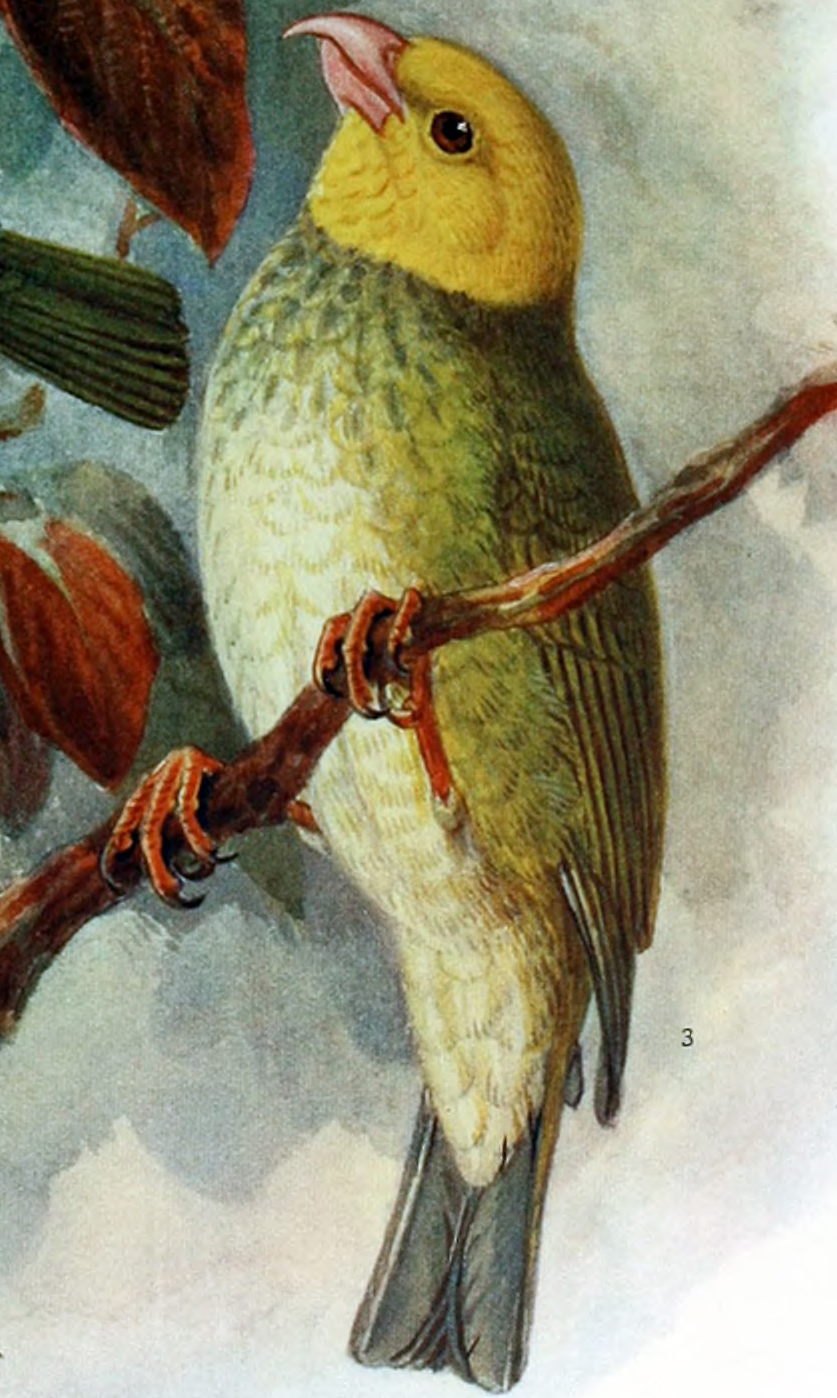
Photo: Wikimedia Commons (CC) via https://en.wikipedia.org/wiki/Kaua%CA%BBi_nukupu%CA%BBu
Overview
The Kauaʻi nukupuʻu is an extinct species of nukupuʻu once found throughout parts of the Hawaiian island of Kauaʻi. It was an insect eater that picked out its tiny prey from tree bark. The males were yellowish with brown wings, while the females were grayish brown with a yellow throat streak.
The Kauai Nukupuu faces severe threats from habitat destruction due to invasive plant species that have altered native forest ecosystems, and introduced diseases like avian malaria and pox transmitted by non-native mosquitoes. Additional pressures include habitat degradation from feral ungulates, competition with introduced bird species, and the extremely small population size that makes the species vulnerable to stochastic events.
Other threatened species in Fringillidae


Frequently asked questions
Why is Kauai Nukupuu classified as Critically Endangered?
Where does Kauai Nukupuu live?
What are the main threats to Kauai Nukupuu?
Get weekly conservation intelligence
One short digest a week of the most striking species and country data we ship, plus breaking conservation news paired with our database where it matters.
Free, no spam. One-click unsubscribe in every email.