ENEndangered

kalkskjold

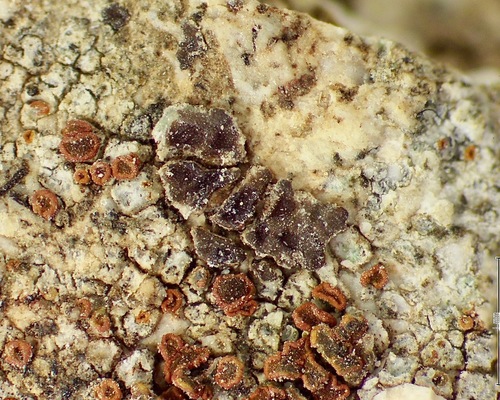
Glypholecia scabra

Glypholecia scabra is a crustose lichen species that forms thin, grayish to brownish crusts on calcareous substrates. This inconspicuous lichen plays an important ecological role in nutrient cycling and provides microhabitat for small invertebrates in limestone ecosystems.

01Classification

Taxonomy & Classification

Kingdom

Fungi

Phylum

Ascomycota

Class

Lecanoromycetes

Order

Acarosporales

Family

Acarosporaceae

Genus

Glypholecia

kalkskjold belongs to the family Acarosporaceae, order Acarosporales, within the Lecanoromycetes class.

02Description

Species Profile

Glypholecia scabra is a crustose lichen species that forms thin, grayish to brownish crusts on calcareous substrates. This inconspicuous lichen plays an important ecological role in nutrient cycling and provides microhabitat for small invertebrates in limestone ecosystems.

Glypholecia scabra faces severe decline primarily due to air pollution and habitat degradation affecting the specific environmental conditions required for this lichen species. The species is particularly vulnerable to changes in air quality and substrate availability in its specialized coastal and rocky habitats.

Key Facts

IUCN StatusEndangered (EN)
GroupFungi
03Habitat

Habitat & Distribution

Glypholecia scabra grows exclusively on calcareous rocks, limestone cliffs, and old mortar of stone walls in areas with relatively clean air. It typically occurs in semi-shaded to exposed situations on vertical or near-vertical surfaces where calcium carbonate is readily available.

TERRESTRIALMajor
04Threats

Threats

!

IUCN Red List: Endangered

Glypholecia scabra faces severe decline primarily due to air pollution and habitat degradation affecting the specific environmental conditions required for this lichen species. The species is particularly vulnerable to changes in air quality and substrate availability in its specialized coastal and rocky habitats.

Air pollution and atmospheric nitrogen deposition

HighOngoing

Habitat loss and degradation of rocky substrates

HighOngoing

Climate change affecting moisture regimes

MediumOngoing

Coastal development and urbanization

MediumOngoing
Community

Community Sightings

Report a sighting

No community sightings yet. Be the first to report!

07Sources

Sources & Attribution

How to Cite

IUCN: IUCN (2025). The IUCN Red List of Threatened Species. Version 2025-1. Available at: https://www.iucnredlist.org. doi:10.2305/IUCN.UK.2025-1.RLTS

GBIF: GBIF.org (2025). GBIF Home Page. Available at: https://www.gbif.org

This page: SpeciesRadar (2025). kalkskjold (Glypholecia scabra). SpeciesRadar: Intelligence for Earth's Biodiversity. Available at: https://speciesradar.org/species/kalkskjold

Full citation guide & data usage terms