Lepiota rufipes
Overview
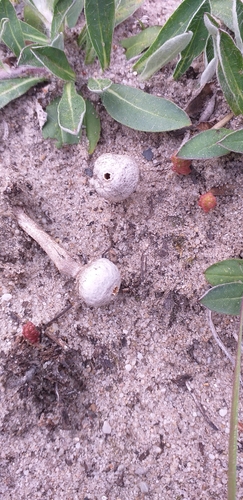
The kale parasolzwam (Lepiota rufipes) is a distinctive mushroom species characterized by its pale cap with brownish scales and notably reddish-brown stem base that gives it its scientific name. This saprotrophic fungus plays a crucial ecological role in forest ecosystems by decomposing organic matter and recycling nutrients back into the soil. It typically forms small, scattered fruiting bodies during autumn months in temperate woodland environments.
Lepiota rufipes faces significant decline due to habitat loss from agricultural expansion and urban development across its limited European range. The species is particularly vulnerable due to its specialized ecological requirements and small, fragmented populations that are sensitive to environmental changes.
Habitat
This species inhabits mature deciduous and mixed forests, particularly favoring areas with rich humus layers beneath oak, beech, and maple trees. It thrives in well-drained woodland soils with abundant leaf litter and decaying organic matter, often found along forest edges and in clearings with partial shade.
Other threatened species in Agaricaceae


Frequently asked questions
Why is Lepiota rufipes classified as Endangered?
Where does Lepiota rufipes live?
What are the main threats to Lepiota rufipes?
Get weekly conservation intelligence
One short digest a week of the most striking species and country data we ship, plus breaking conservation news paired with our database where it matters.
Free, no spam. One-click unsubscribe in every email.