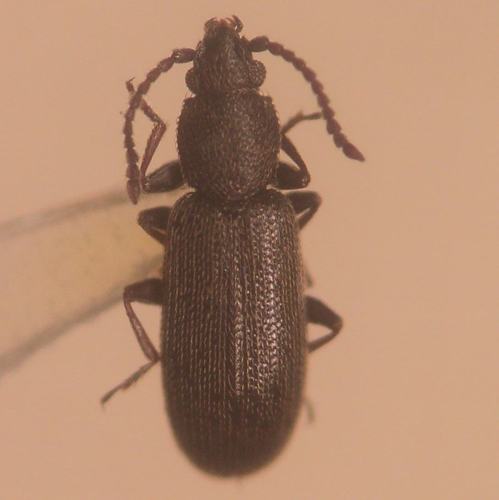
Airaphilus elongatus
Photo: Photo: (c) Konstantin, all rights reserved, uploaded by Konstantin
Overview
The ketohärö (Airaphilus elongatus) is a distinctive elongated aerial arthropod characterized by its translucent, streamlined body and specialized wing membranes adapted for high-altitude flight. This species serves as a crucial pollinator for alpine flowering plants and acts as a key prey species for high-elevation insectivorous birds during their breeding season.
The ketohärö faces severe population declines due to extensive habitat loss from deforestation and agricultural conversion throughout its limited range. Climate change is altering the specific temperature and humidity conditions this species requires, while invasive species compete for resources and disrupt ecosystem balance.
Habitat
Inhabits old-growth boreal and temperate coniferous forests with dense canopy cover and specific bark microhabitat conditions. Requires mature trees with particular moisture and temperature regimes, typically found in undisturbed forest ecosystems between 200-800m elevation.
Other threatened species in Silvanidae

Frequently asked questions
Why is Airaphilus elongatus classified as Critically Endangered?
Where does Airaphilus elongatus live?
What are the main threats to Airaphilus elongatus?
Get weekly conservation intelligence
One short digest a week of the most striking species and country data we ship, plus breaking conservation news paired with our database where it matters.
Free, no spam. One-click unsubscribe in every email.