CRCritically Endangered

kalkkrimmerlav

Rinodina calcarea

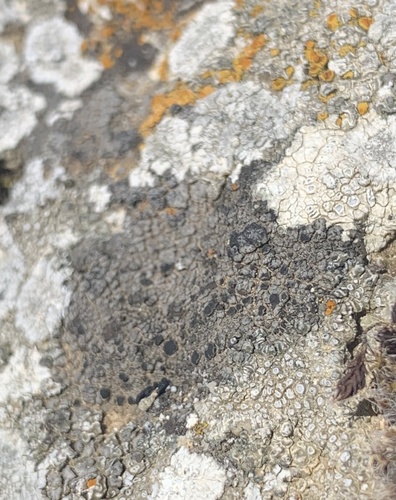
Rinodina calcarea is a crustose lichen species that forms thin, grayish to whitish crusts on calcareous substrates. This inconspicuous lichen plays an important ecological role in nutrient cycling and soil formation processes, while also serving as a bioindicator of air quality in its specialized habitats.

01Classification

Taxonomy & Classification

Kingdom

Fungi

Phylum

Ascomycota

Class

Lecanoromycetes

Order

Caliciales

Family

Physciaceae

Genus

Rinodina

kalkkrimmerlav belongs to the family Physciaceae, order Caliciales, within the Lecanoromycetes class.

02Description

Species Profile

Rinodina calcarea is a crustose lichen species that forms thin, grayish to whitish crusts on calcareous substrates. This inconspicuous lichen plays an important ecological role in nutrient cycling and soil formation processes, while also serving as a bioindicator of air quality in its specialized habitats.

Rinodina calcarea, a crustose lichen species, faces severe decline primarily due to habitat loss and degradation of its specialized calcareous substrates. Air pollution, particularly nitrogen deposition and acid rain, significantly impacts this pollution-sensitive species by altering the chemistry of its rocky habitats and reducing air quality.

Key Facts

IUCN StatusCritically Endangered (CR)
GroupFungi
03Habitat

Habitat & Distribution

Rinodina calcarea grows exclusively on natural limestone outcrops, calcareous rocks, and occasionally on old mortar of historic stone buildings. It typically colonizes exposed to semi-shaded vertical or sloping surfaces where calcium carbonate is readily available.

TERRESTRIALMajor
04Threats

Threats

!

IUCN Red List: Critically Endangered

Rinodina calcarea, a crustose lichen species, faces severe decline primarily due to habitat loss and degradation of its specialized calcareous substrates. Air pollution, particularly nitrogen deposition and acid rain, significantly impacts this pollution-sensitive species by altering the chemistry of its rocky habitats and reducing air quality.

Air pollution and acid deposition

HighOngoing

Habitat loss and degradation of calcareous substrates

HighOngoing

Nitrogen deposition altering substrate chemistry

HighOngoing

Climate change affecting microhabitat conditions

MediumOngoing

Quarrying and mining activities

MediumOngoing
Community

Community Sightings

Report a sighting

No community sightings yet. Be the first to report!

07Sources

Sources & Attribution

How to Cite

IUCN: IUCN (2025). The IUCN Red List of Threatened Species. Version 2025-1. Available at: https://www.iucnredlist.org. doi:10.2305/IUCN.UK.2025-1.RLTS

GBIF: GBIF.org (2025). GBIF Home Page. Available at: https://www.gbif.org

This page: SpeciesRadar (2025). kalkkrimmerlav (Rinodina calcarea). SpeciesRadar: Intelligence for Earth's Biodiversity. Available at: https://speciesradar.org/species/kalkkrimmerlav

Full citation guide & data usage terms