Xysticus erraticus
Overview
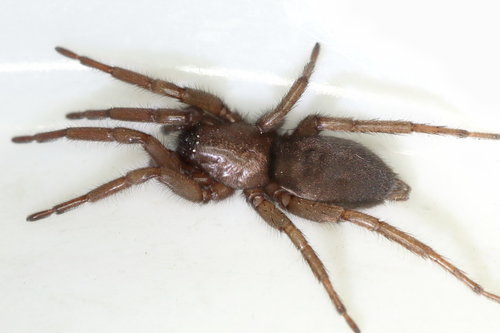
Xysticus erraticus, commonly known as the graskrabspin, is a small crab spider characterized by its cryptic coloration that allows it to blend seamlessly with grass stems and flower heads. This ambush predator plays a crucial role in grassland ecosystems by controlling populations of flying insects, particularly pollinators and small flies that it captures while remaining motionless on vegetation.
Xysticus erraticus faces significant population declines primarily due to habitat loss and degradation of its specialized grassland and heathland environments. Agricultural intensification, urban development, and changes in land management practices have severely reduced the availability of suitable habitat for this ground-dwelling spider species.
Habitat
Graskrabspin inhabits species-rich grasslands, meadows, and prairie edges where it positions itself on the flower heads of native plants such as wild carrot, goldenrod, and various composite flowers. The species shows a strong preference for areas with moderate grazing pressure that maintain a mosaic of grass heights and abundant flowering plants throughout the growing season.
Other threatened species in Thomisidae
Threatened in Åland Islands


Frequently asked questions
Why is Xysticus erraticus classified as Endangered?
Where does Xysticus erraticus live?
What are the main threats to Xysticus erraticus?
Get weekly conservation intelligence
One short digest a week of the most striking species and country data we ship, plus breaking conservation news paired with our database where it matters.
Free, no spam. One-click unsubscribe in every email.