
Hypsosinga pygmaea
Photo: Wikimedia Commons (CC) via https://en.wikipedia.org/wiki/Hypsosinga_pygmaea
Overview
Hypsosinga pygmaea is a species of orb weaver in the spider family Araneidae, found in North America, Eurasia and southern Africa. It is commonly known as the spotted false pajama spider.
Hypsosinga pygmaea faces significant population declines primarily due to habitat loss from agricultural intensification and urbanization of wetland areas. Climate change and pollution from pesticides used in surrounding agricultural areas further threaten remaining populations of this small orb weaver spider.
Habitat
Hypsosinga pygmaea is widespread and known from North America, Europe, Turkey, Israel, Caucasus, Russia to Central Asia, China, Korea, Japan and South Africa.
In South Africa, the species is known from four provinces across a moderate range at altitudes from 47 to 1,471 m above sea level. The South African distribution includes Mpumalanga, Gauteng, and KwaZulu-Natal provinces. Notable localities...
Other threatened species in Araneidae

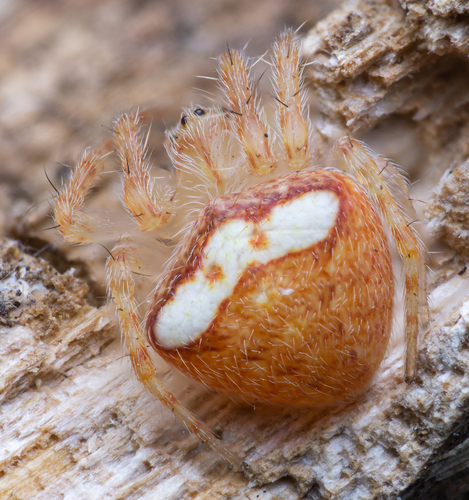

Threatened in Åland Islands

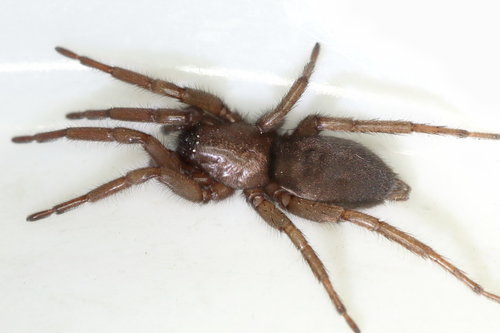

Frequently asked questions
Why is Hypsosinga pygmaea classified as Endangered?
Where does Hypsosinga pygmaea live?
What are the main threats to Hypsosinga pygmaea?
Get weekly conservation intelligence
One short digest a week of the most striking species and country data we ship, plus breaking conservation news paired with our database where it matters.
Free, no spam. One-click unsubscribe in every email.