Ramaria fumigata
Overview
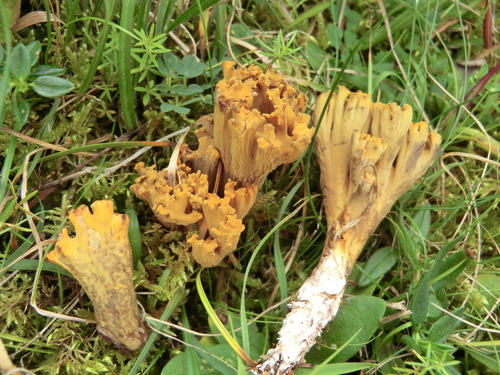
Ramaria fumigata, known as grålila fingersvamp, is a distinctive coral fungus characterized by its grayish-purple branched fruiting bodies that resemble miniature antlers or fingers. This saprotrophic species plays a crucial ecological role in forest ecosystems by decomposing organic matter and recycling nutrients back into the soil. The fungus forms intricate networks with tree roots, contributing to forest health through mycorrhizal associations.
Ramaria fumigata faces severe decline primarily due to habitat loss from deforestation and forest fragmentation, which destroys the specific old-growth forest conditions this fungus requires. Additional pressures include air pollution, climate change affecting forest ecosystems, and overcollection by mycologists and foragers.
Habitat
Ramaria fumigata thrives in mature coniferous and mixed forests, particularly in areas with rich humus layers and stable moisture conditions. The species is typically found among moss-covered logs and in undisturbed forest floor environments where complex fungal communities have had time to establish.
Other threatened species in Gomphaceae



Frequently asked questions
Why is Ramaria fumigata classified as Endangered?
Where does Ramaria fumigata live?
What are the main threats to Ramaria fumigata?
Get weekly conservation intelligence
One short digest a week of the most striking species and country data we ship, plus breaking conservation news paired with our database where it matters.
Free, no spam. One-click unsubscribe in every email.