
Deptford Pink
Dianthus armeria
Photo: Wikimedia Commons (CC) via https://en.wikipedia.org/wiki/Dianthus_armeria
Overview
A detailed profile for this species is sourced from the IUCN Red List of Threatened Species as assessments become available.
Grass Pink faces severe population declines across its native European range due to intensive agricultural practices that eliminate the sandy, nutrient-poor soils it requires. Modern farming techniques, including fertilizer application and conversion of traditional grasslands to intensive cropland, have destroyed much of its specialized habitat. Urban development and infrastructure expansion further fragment remaining populations, while the species' annual life cycle makes it particularly vulnerable to habitat disturbance during critical reproductive periods.
Habitat
Grass Pink inhabits sandy, nutrient-poor soils in open grasslands, heathlands, and traditional agricultural margins across Europe. The species thrives in disturbed ground with sparse vegetation, including field edges, sandy tracks, and extensively managed pastures where competition from other plants is limited.
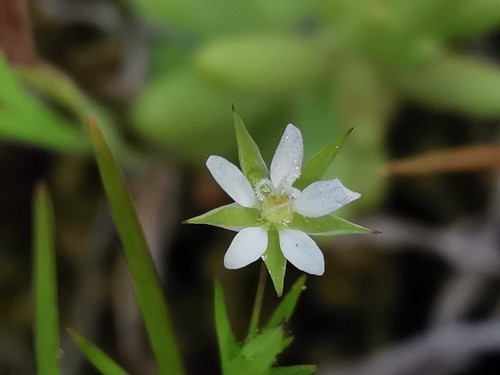
Other threatened species in Caryophyllaceae

Frequently asked questions
Why is Deptford Pink classified as Vulnerable?
Where does Deptford Pink live?
What are the main threats to Deptford Pink?
Get weekly conservation intelligence
One short digest a week of the most striking species and country data we ship, plus breaking conservation news paired with our database where it matters.
Free, no spam. One-click unsubscribe in every email.