Vararia ochroleuca
Overview
Gräddkvastskinn (Vararia ochroleuca)
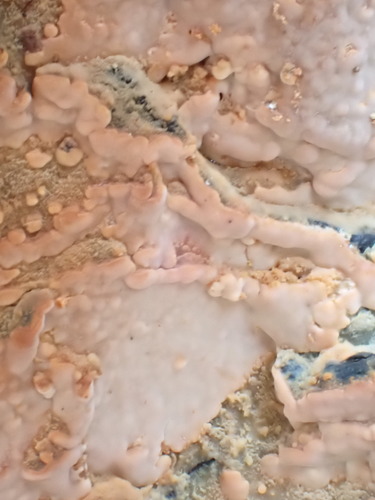
Vararia ochroleuca is a corticioid fungus characterized by its cream to pale ochre-colored fruiting body that forms thin, waxy crusts on dead wood. This saprotrophic species plays a crucial role in forest ecosystems by decomposing fallen branches and logs, recycling nutrients back into the soil. The fungus produces distinctive spores and exhibits a smooth to slightly wrinkled surface texture when mature.
This species demonstrates a remarkably broad global distribution, occurring across temperate and boreal regions of Europe, North America, and Asia, with additional populations documented in Australia, New Zealand, and parts of South America and Africa. It typically inhabits deciduous and mixed forests, growing on the underside of decaying hardwood branches and logs, particularly favoring moist, shaded environments.
Despite its wide geographic range, Vararia ochroleuca faces mounting pressures from habitat fragmentation and intensive forest management practices that remove dead wood from forest floors. Climate change may also be altering the moisture conditions essential for its growth and reproduction. The species' dependence on specific microhabitat conditions makes it particularly vulnerable to changes in forest structure and composition.
Current conservation efforts focus primarily on maintaining dead wood in managed forests and protecting old-growth forest remnants where the species naturally occurs. Several European countries have incorporated dead wood retention into their forest management guidelines, indirectly benefiting this and other saprotrophic fungi.
The species' future remains uncertain due to insufficient population monitoring data. While its broad distribution suggests some resilience, continued habitat loss and changing forest management practices pose ongoing challenges to long-term population stability.
Vararia ochroleuca is declining primarily due to habitat loss from deforestation and forest degradation, which reduces the availability of suitable dead wood substrates essential for this saprotrophic fungus. Climate change may also be altering forest conditions and affecting the species' ability to establish and reproduce.
Habitat
Other threatened species in Peniophoraceae
Threatened in Åland Islands


Frequently asked questions
Why is Vararia ochroleuca classified as Vulnerable?
Where does Vararia ochroleuca live?
What are the main threats to Vararia ochroleuca?
Get weekly conservation intelligence
One short digest a week of the most striking species and country data we ship, plus breaking conservation news paired with our database where it matters.
Free, no spam. One-click unsubscribe in every email.