Hieracium chloeropis
Overview
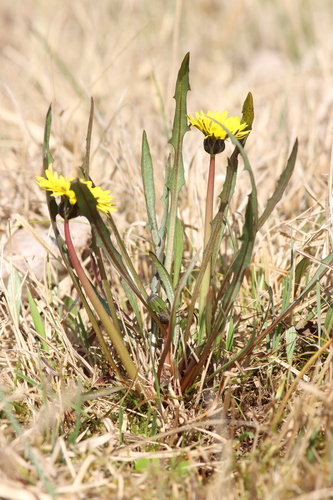
The gräsgrön fibbla (Hieracium chloeropis) is a rare perennial hawkweed characterized by its distinctive grass-green leaves with silvery undersides and pale yellow flower heads that bloom in late summer. This specialized herbaceous plant plays a crucial role in supporting endemic pollinator communities in its restricted range. Its deep taproot system helps stabilize soil in the fragile ecosystems it inhabits.
Gräsgrön fibbla faces severe threats from habitat loss due to agricultural intensification and urban development in its limited range. The species' highly specialized ecological requirements and small population size make it extremely vulnerable to environmental changes and stochastic events.
Habitat
Occupies nutrient-poor calcareous grasslands, rocky outcrops, and alpine meadows typically between 800-2000m elevation. Requires specific soil conditions and is often found in areas with traditional low-intensity grazing management.
Other threatened species in Asteraceae

Frequently asked questions
Why is Hieracium chloeropis classified as Critically Endangered?
Where does Hieracium chloeropis live?
What are the main threats to Hieracium chloeropis?
Get weekly conservation intelligence
One short digest a week of the most striking species and country data we ship, plus breaking conservation news paired with our database where it matters.
Free, no spam. One-click unsubscribe in every email.