Species Explorer
Browse and search species from the IUCN Red List and GBIF.
54,666 species
Tree Pelt Lichen
CRPeltigera collina
Tree Pelt Lichen (Peltigera collina) is critically endangered primarily due to habitat loss from deforestation and land conversion, combined with air pollution that degrades the specific environmental conditions this sensitive lichen requires. Climate change is exacerbating these pressures by altering temperature and moisture regimes in its remaining forest habitats.

tree pipit
ENAnthus trivialis

Tree Snail
CRBalea perversa
Balea perversa faces severe threats from habitat destruction and fragmentation of its specialized limestone environments. Climate change and pollution further compromise the delicate conditions required for this species' survival, while its restricted range and specific habitat requirements make it extremely vulnerable to environmental changes.

Treecreeper
VUCerthia familiaris

Treeflute Lichen
VUMenegazzia terebrata
trefärgslav
ENCliostomum corrugatum

trelobsblading
VUHermaea bifida

Triangelbladroller
VUAethes triangulana
triangelvedblomfluga
ENXylota triangularis
Triangle Hammock-spider
VUSaaristoa firma

Triangular Club-rush
CRSchoenoplectus triqueter
Triangular Club-rush faces severe threats from habitat loss due to coastal development, wetland drainage, and sea-level rise affecting its specialized estuarine environments. The species' restricted distribution and dependence on specific tidal conditions make remaining populations extremely vulnerable to environmental changes and human disturbance.
Trichonis blenny
CRSalaria economidisi
The Trichonis blenny faces severe threats due to its extremely restricted range, being endemic to Lake Trichonis in Greece. Water level fluctuations, pollution from agricultural runoff, and habitat degradation from human activities around the lake pose significant risks to this highly localized species.
Trichonis spined loach
ENCobitis trichonica
Triple-blotched Bell, Hawthorn Shoot Moth
VUNotocelia trimaculana
trollskinn
ENThujacorticium zurhausenii
trommelwolfspin
VUHygrolycosa rubrofasciata
trønderflekklav
VUArthothelium norvegicum
trønderknopplav
CRBiatora troendelagica
Biatora troendelagica faces severe threats from habitat degradation and loss of suitable substrate conditions in its specialized environments. Air pollution and climate change are altering the delicate chemical and moisture conditions required for this lichen's survival, while human activities continue to reduce available habitat.
trønderringlav
ENRinodina disjuncta
trubbig rävsvansmossa
ENThamnobryum subserratum
trubbkägelbi
VUCoelioxys obtusispina

True Fox-sedge
ENCarex vulpina
Trug-Schilfspornzikade
VUChloriona unicolor
Truncated Dimple Lichen
CRGyalecta truncigena
Truncated Dimple Lichen faces severe threats from air pollution and acid rain, which directly damage its sensitive thallus and disrupt its photosynthetic processes. Habitat loss through deforestation and urban development has eliminated many of its specialized microhabitats, while climate change is altering the precise moisture and temperature conditions this species requires for survival.
tryvårvecklare
VUDoloploca punctulana
tucum-mirim
VUBactris pickelii

Tucumán Mountain-finch
VUPoospiza baeri

tueedderkopp
ENAphileta misera

Tufted Fen-moss
ENPaludella squarrosa
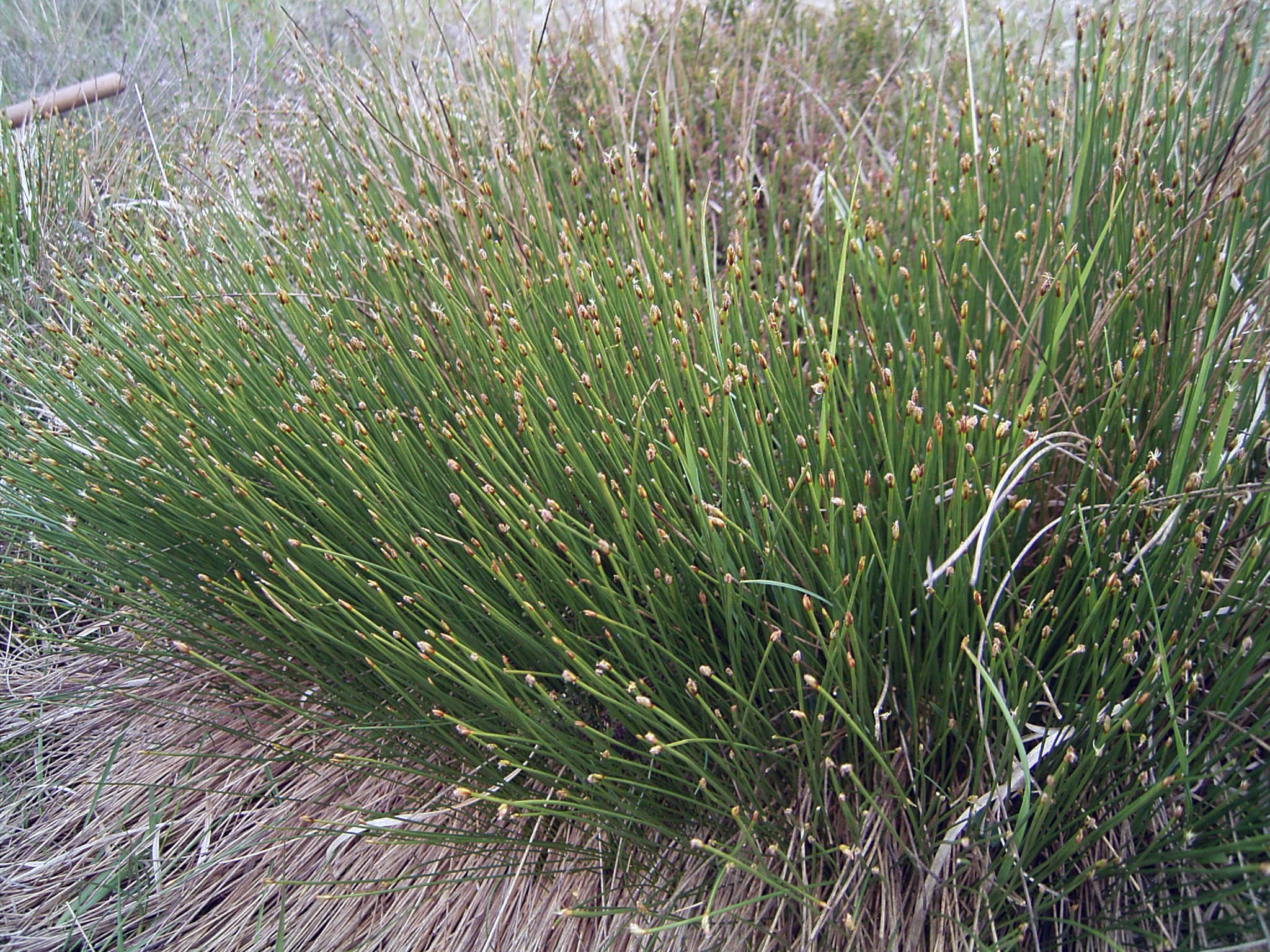
Tufted Leafless-bulrush
VUTrichophorum cespitosum

Tufted Marbled Skipper
VUCarcharodus floccifera

tufted milkwort
CRPolygala comosa
Tufted milkwort faces severe population declines due to habitat loss from agricultural intensification and urban development across its native range. The species' specialized requirements for nutrient-poor calcareous grasslands make it particularly vulnerable to changes in land management practices and habitat fragmentation.
tufted pearlwort
VUSagina caespitosa

Tufted Sedge
VUCarex elata
Tumid Notchwort
VULophozia ventricosa
Tummaviiriahven
VUNeolamprologus christyi
Tuna de Cruz
CRConsolea macracantha
Tuna de Cruz faces severe threats from habitat destruction due to coastal development, tourism infrastructure, and urban expansion across its limited range in the Caribbean. The species is further threatened by invasive plant species that compete for resources and alter ecosystem dynamics, while climate change impacts including sea level rise and increased storm intensity threaten its coastal habitats.
tundra liverwort
VUArnellia fennica

tunnvingemätare
VUMalacodea regelaria
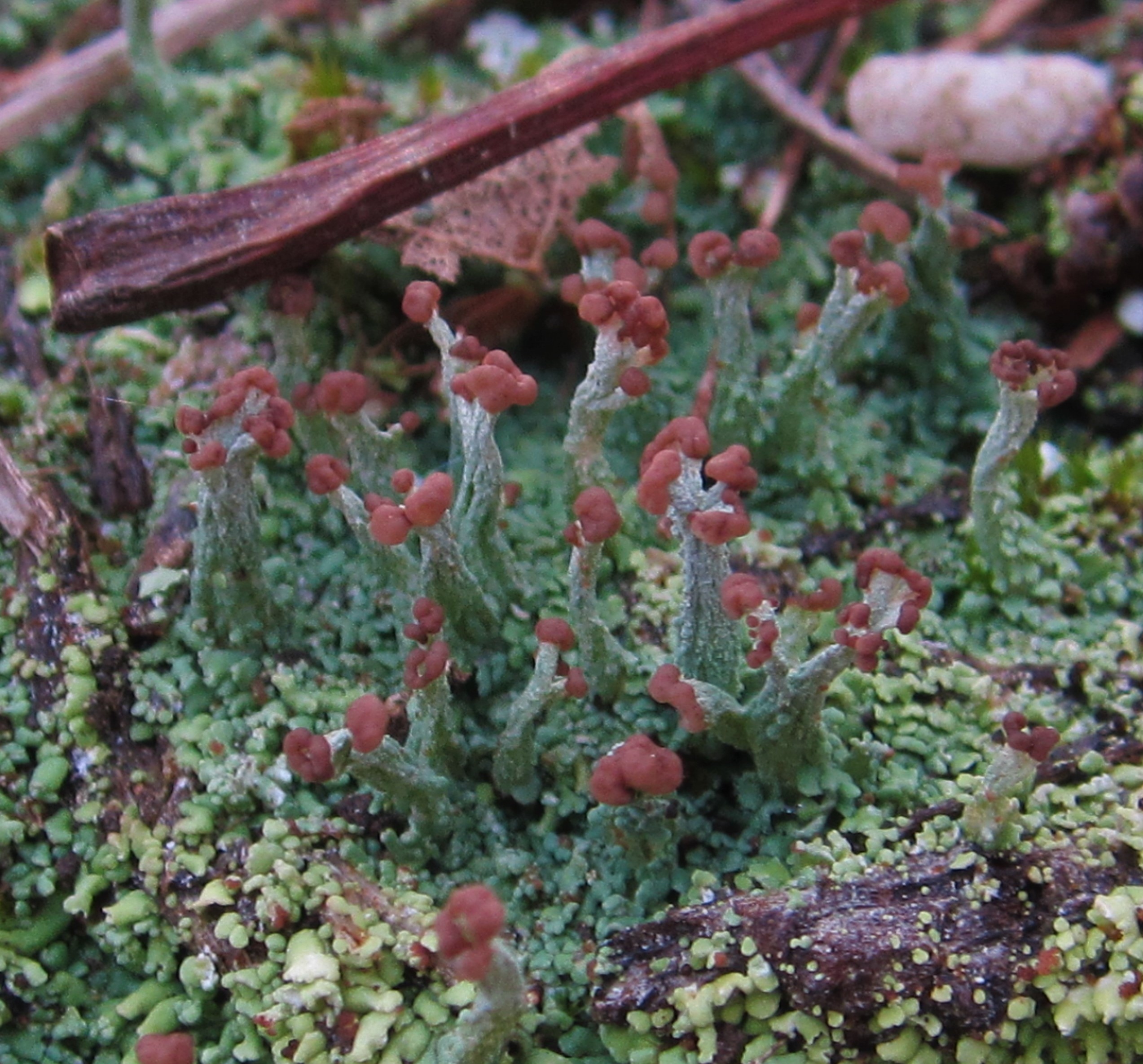
Turban Lichen
ENCladonia peziziformis
Turimiquire Collared Frog
ENMannophryne leonardoi
Turnip Gall Weevil
CRCeutorhynchus assimilis
The Turnip Gall Weevil faces severe population declines due to intensive agricultural practices that eliminate its host plants and breeding sites. Widespread pesticide use in agricultural areas directly kills adults and larvae, while habitat fragmentation isolates remaining populations and reduces genetic diversity.
Turnstone
ENArenaria interpres
Turpswort
ENGeocalyx graveolens

Turquoise Dacnis-Tanager
VUDacnis hartlaubi

Turquoise-bellied poison-arrow frog
VUEpipedobates espinosai
tuturuba
VUPouteria furcata
tuvgnomspindel
VUTapinocyba biscissa
tuvklotspindel
VURugathodes instabilis
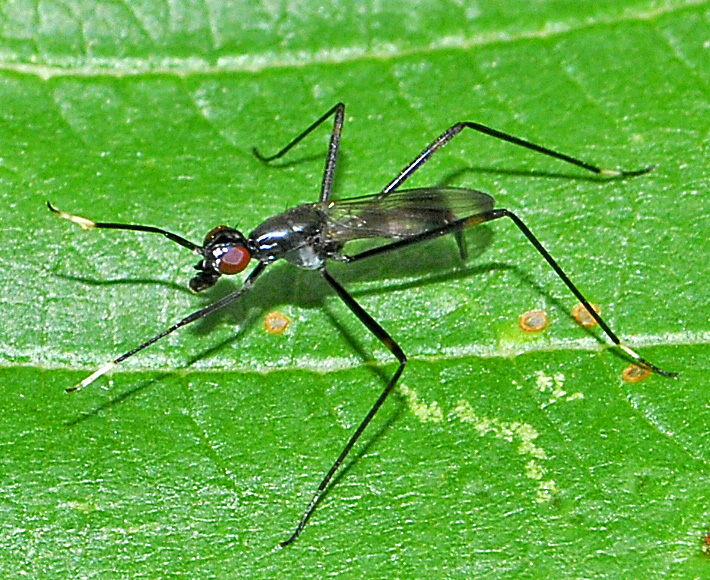
tvärbandvingad skridfluga
ENRainieria calceata