Tummaviiriahven
Neolamprologus christyi
Overview
A detailed profile for this species is sourced from the IUCN Red List of Threatened Species as assessments become available.
Neolamprologus christyi faces significant pressure from overfishing for the aquarium trade, where its distinctive coloration makes it highly sought after by collectors. Habitat degradation from coastal development and sedimentation along Lake Tanganyika's shoreline has reduced suitable rocky breeding territories. Water quality decline from agricultural runoff and increasing human settlements around the lake basin further threatens this endemic cichlid's specialized ecological requirements.
Habitat
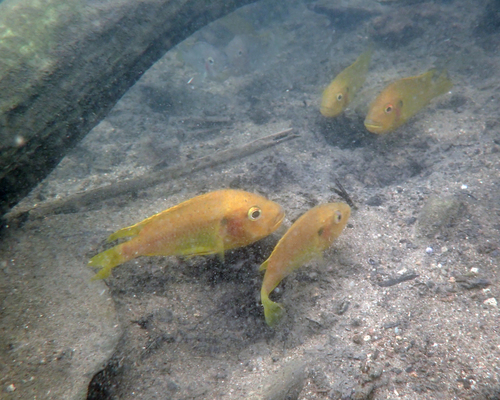
This endemic cichlid inhabits the rocky shoreline areas of Lake Tanganyika, typically found at depths of 5-40 meters among boulder fields and rocky crevices. It requires clear, well-oxygenated water with stable rocky substrates for territorial behavior and breeding cave construction.
Other threatened species in Cichlidae

Threatened in Tanzania

Frequently asked questions
Why is Tummaviiriahven classified as Vulnerable?
Where does Tummaviiriahven live?
What are the main threats to Tummaviiriahven?
Get weekly conservation intelligence
One short digest a week of the most striking species and country data we ship, plus breaking conservation news paired with our database where it matters.
Free, no spam. One-click unsubscribe in every email.