Species Explorer
Browse and search species from the IUCN Red List and GBIF.
54,666 species

Tvegrubet slankløber
CRAgonum ericeti
Tvegrubet slankløber faces severe threats from habitat loss due to agricultural intensification and urban development, which has fragmented and destroyed much of its specialized heathland habitat. Climate change and altered fire regimes further threaten the specific microhabitat conditions this species requires for survival.
tvillingsporrspindel
ENCheiracanthium pennyi
Tvivlsom ovalløber
CRAmara municipalis
Tvivlsom ovalløber faces severe population declines due to intensive agricultural practices and urban development that have dramatically reduced suitable habitat across its range. The species' specialized habitat requirements make it particularly vulnerable to landscape fragmentation and the widespread use of pesticides in modern farming systems.

twaite shad
CRAlosa fallax
The twaite shad faces severe population declines across its range due to habitat degradation and barriers to migration. Dam construction and river modifications have blocked access to critical spawning grounds, while water pollution and overfishing have further reduced populations to critically low levels.

twijgschotelkorst
ENLecanora confusa
twijgvlekje
VUArthonia punctiformis
Twin-spot Flat-body
VUAgonopterix bipunctosa

Twin-spot Fritillary
CRBrenthis hecate
The Twin-spot Fritillary faces severe population declines across its range due to habitat loss and degradation of its specialized grassland ecosystems. Agricultural intensification, urban development, and changes in traditional land management practices have eliminated or fragmented critical breeding habitats. Climate change further threatens remaining populations by altering the delicate ecological conditions required for both the butterfly and its host plants.
Twisted Moss
VUTortella tortuosa

Twisted Peat Moss
VUSphagnum contortum

Twisted Whitlowgrass
ENDraba incana

Twisted-lobed Dandelion
CRTaraxacum tortilobum
Twisted-lobed Dandelion faces severe threats from habitat destruction due to agricultural expansion and urban development in its specialized alpine and subalpine environments. Climate change poses an additional critical threat as warming temperatures force suitable habitat to shift to higher elevations, reducing available range for this cold-adapted species. The species' limited distribution and small population size make it particularly vulnerable to local extinctions.
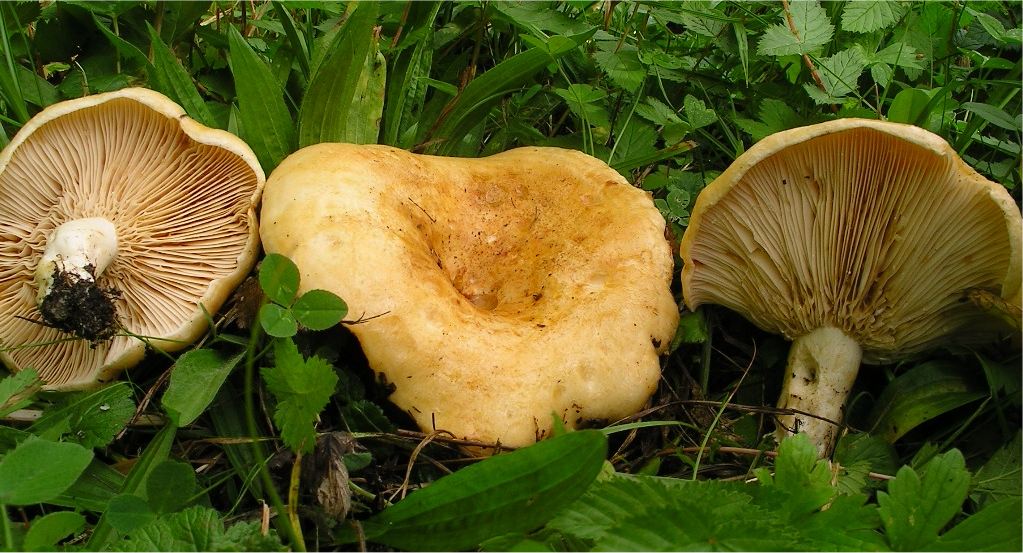
Two Spored Milkcap
CRLactarius acerrimus
The Two Spored Milkcap faces severe population declines due to widespread habitat destruction and degradation of its specialized forest ecosystems. Climate change is altering the delicate mycorrhizal relationships this fungus depends on, while increased human disturbance and pollution further threaten remaining populations.
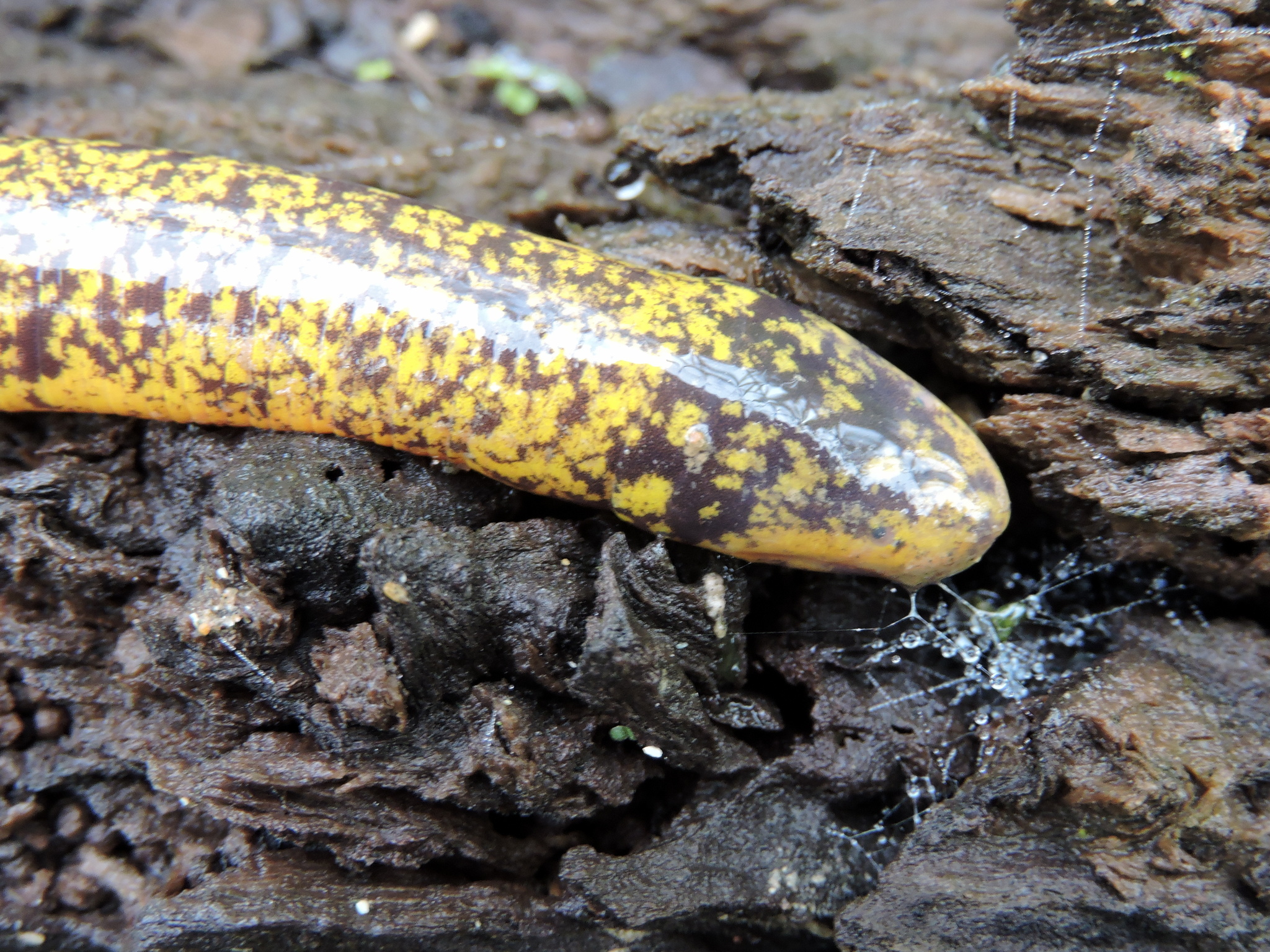
Two-coloured Caecilian
VUEpicrionops bicolor

Two-lined Mushroomtongue Salamander
ENBolitoglossa biseriata
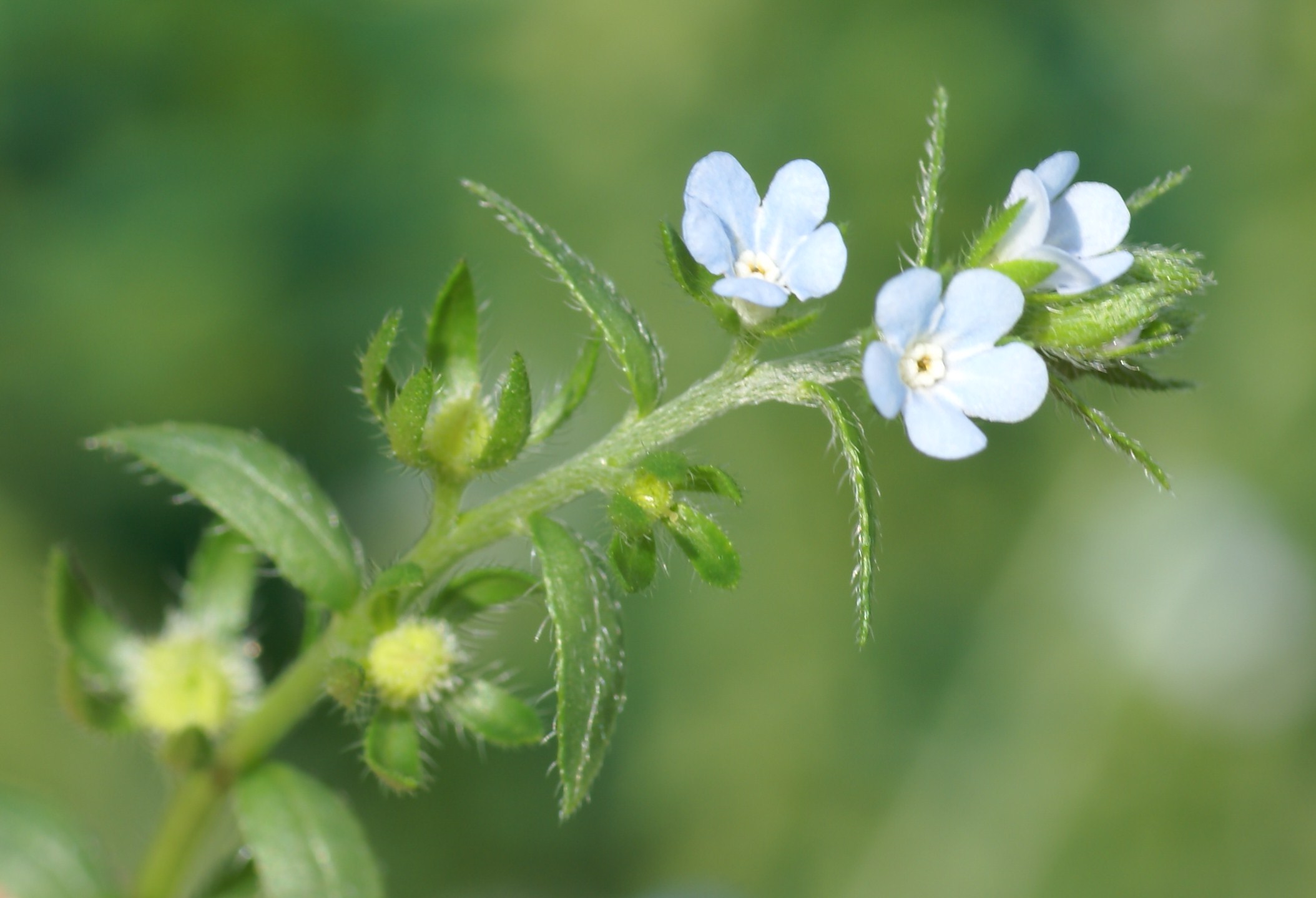
Two-rowed Stickseed
ENLappula squarrosa
Two-stamen Sedge
CRCarex diandra
Two-stamen Sedge faces severe population declines due to widespread wetland habitat destruction and degradation across its range. Climate change and altered hydrology from human activities have further reduced suitable habitat, while agricultural conversion and urban development continue to eliminate remaining populations.

Two-tailed Pasha
VUCharaxes jasius

Twospotted Lady Beetle
VUAdalia bipunctata
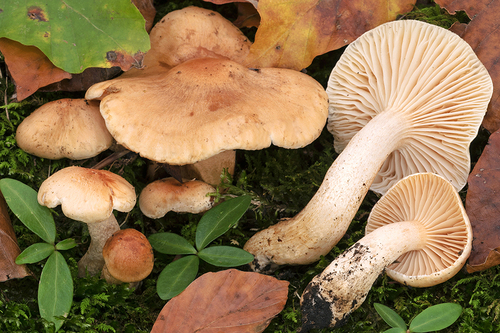
Twotone Woodwax
CRHygrophorus unicolor
The Twotone Woodwax faces severe population declines due to widespread habitat destruction from deforestation and urban development in its specialized forest ecosystems. Climate change is altering the delicate moisture and temperature conditions required for this fungus to fruit and complete its life cycle. Additionally, soil contamination and changes in forest composition are disrupting the mycorrhizal relationships essential for its survival.
twotoothed cephalozia
VUCephalozia bicuspidata

Tyk vortelav
VUWahlenbergiella mucosa
tykkfingeredderkopp
CRGongylidiellum murcidum
The tykkfingeredderkopp faces threats primarily from habitat loss and degradation of its specialized microhabitat requirements. Climate change may further impact the species through alterations to environmental conditions necessary for its survival.

Tystie
VUCepphus grylle
Uferseggen-Spornzikade
VUAnakelisia fasciata
Ufersumpfspinnchen
VUGlyphesis taoplesius
ullörtssköldbagge
CRCassida seladonia
Cassida seladonia faces severe population declines due to habitat loss from agricultural intensification and urban development across its European range. The species' specialized feeding requirements on specific host plants make it particularly vulnerable to changes in land use and management practices that reduce the availability of suitable vegetation.

Umbellate Jagged Chickweed
ENHolosteum umbellatum

Umbellate Wintergreen, Pipsissewa, Prince's Pine
ENChimaphila umbellata
Uncumanu
VUPrumnopitys harmsiana
ungersk hjorttryffel
VUElaphomyces virgatosporus
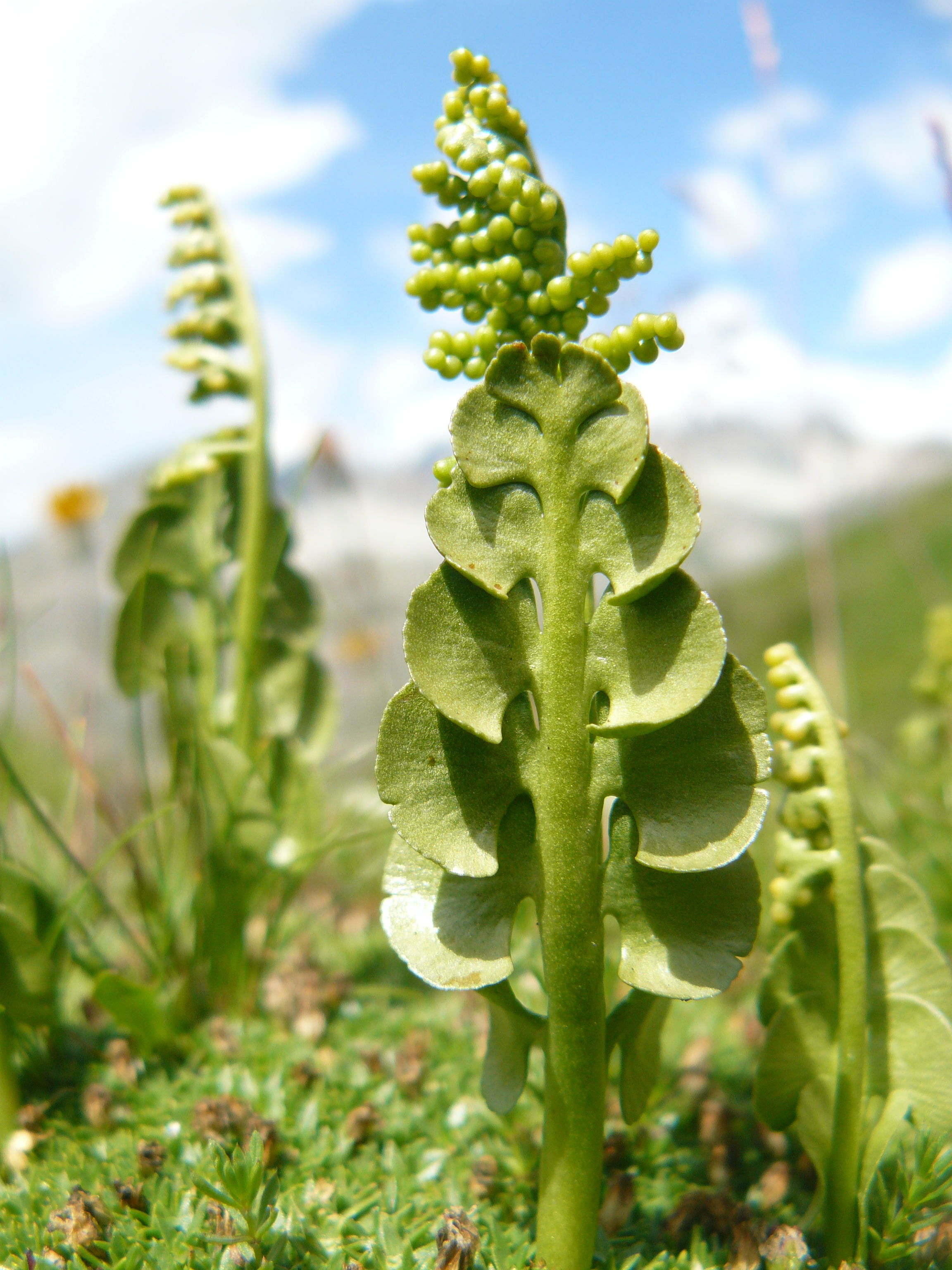
Unshoe-the-horse
ENBotrychium lunaria
Untidy Earwort
CRScapania cuspiduligera
Scapania cuspiduligera faces severe threats from habitat degradation and loss of its specialized bryophyte communities. Climate change poses additional risks through altered moisture regimes and temperature fluctuations that affect the delicate microhabitats this liverwort requires. The species' limited distribution and specific ecological requirements make it particularly vulnerable to environmental changes.
Upper Crust
VUAmaurodon cyaneus

Upright Chickweed
CRMoenchia erecta
Upright Chickweed faces severe population declines due to habitat loss from agricultural intensification and urban development across its native range. The species' specialized requirements for nutrient-poor, sandy soils in open grasslands and heathlands make it particularly vulnerable to land-use changes and habitat fragmentation.
Upright Pottia
VUMicrobryum rectum

Urn Haircap
VUPogonatum urnigerum
Urrao Rocket Frog
ENHyloxalus breviquartus
urskogsmygga
VUPachyneura fasciata
Urskovsspidshale
CRScraptia fuscula
Scraptia fuscula faces severe population declines due to habitat loss from deforestation and agricultural conversion of its specialized woodland environments. The species' dependence on dead wood and fungal associations makes it particularly vulnerable to forest management practices that remove decaying timber, while its limited dispersal ability restricts recolonization of degraded areas.

Uruguay harlequin frog
ENLysapsus limellum
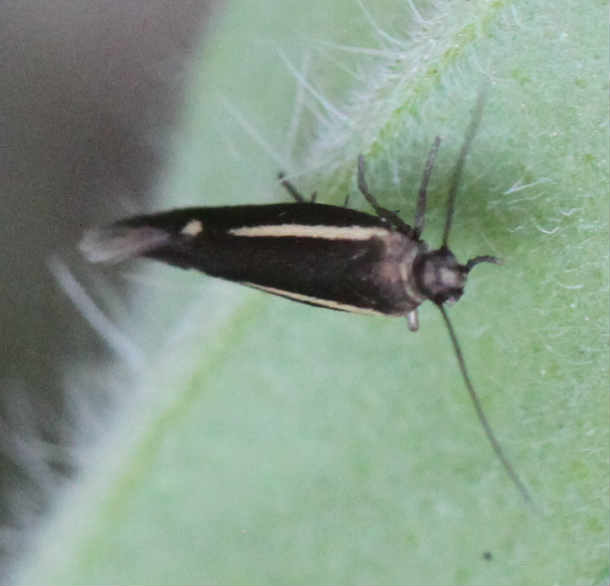
utropstecknad korthuvudmal
CRScythris knochella
Scythris knochella faces severe population declines due to habitat loss from agricultural intensification and urban development across its limited range. The species' specialized ecological requirements and restricted distribution make it particularly vulnerable to environmental changes and fragmentation of suitable habitats.
vaalealätkäkiiluri
VUThinophilus flavipalpis

Väddblomfluga
VUCheilosia nebulosa

vaddporing
VUAnomoporia kamtschatica
Vadehavsovalløber
CRAmara strenua
Vadehavsovalløber (Amara strenua) faces severe threats from habitat loss and degradation of coastal wetland ecosystems. Climate change-induced sea level rise and increased storm intensity threaten the specialized tidal marsh habitats this species depends on, while agricultural intensification and coastal development further fragment remaining suitable areas.
vågåkantlav
ENLecanora margacea
vågfibbla
VUHieracium obtusoserratum
vähäsilmupalkonen
VUIthytrichia clavata

valamuerto
VUSenna pendula