
Tufted Sedge
Carex elata
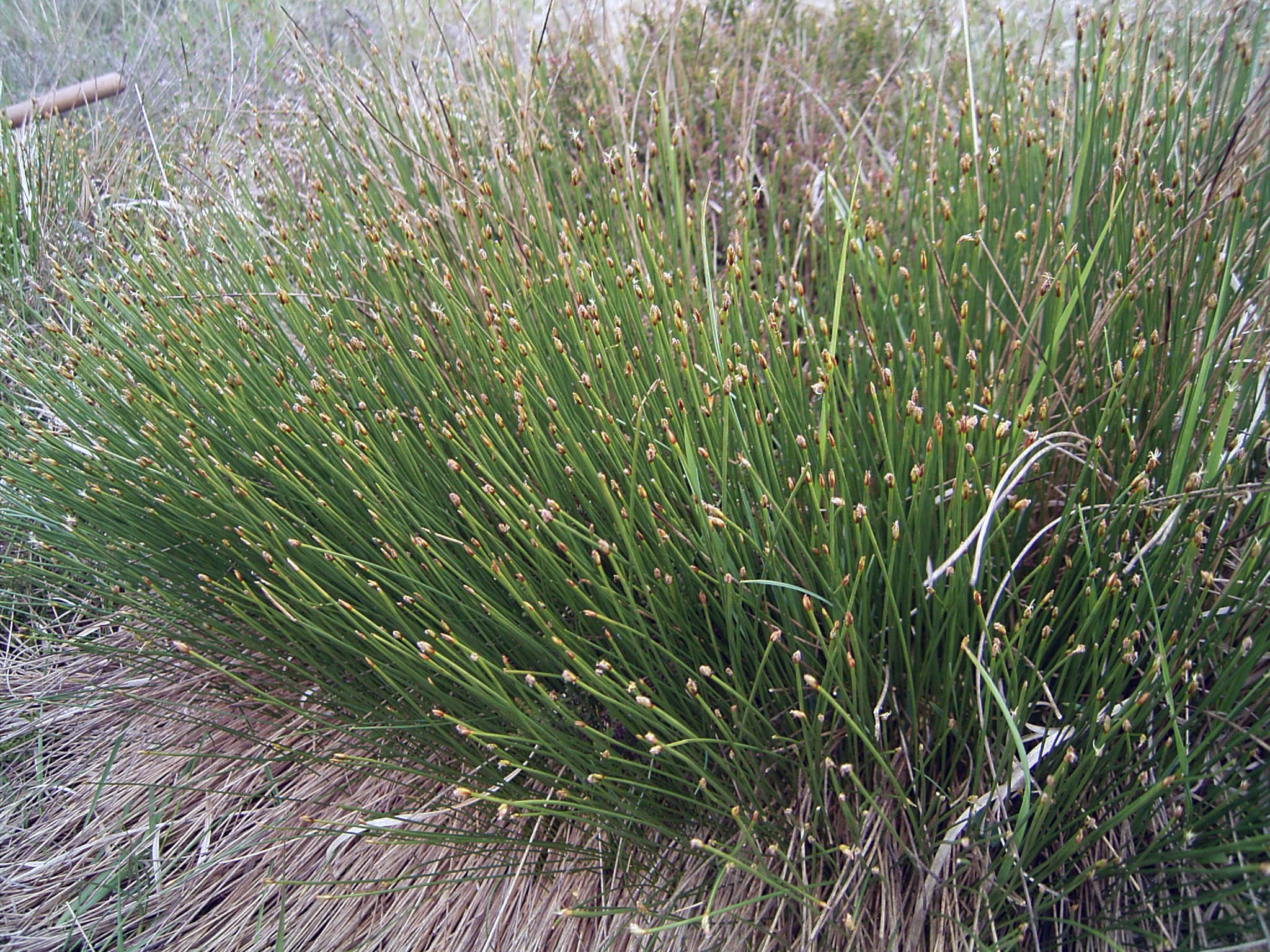
Photo: Wikimedia Commons (CC) via https://en.wikipedia.org/wiki/Carex_elata
Overview
A detailed profile for this species is sourced from the IUCN Red List of Threatened Species as assessments become available.
Tufted Sedge faces severe decline primarily due to wetland drainage and agricultural conversion of its marshy habitats. Water level management in remaining wetlands often disrupts the natural flooding cycles essential for its reproduction and survival. Eutrophication from agricultural runoff and urban development degrades water quality in its remaining habitats, while invasive plant species increasingly outcompete this slow-growing sedge in disturbed wetland areas.
Habitat
Tufted Sedge inhabits wet meadows, marshes, fens, and the shallow margins of lakes and slow-moving rivers across temperate Europe. It forms distinctive large tussocks in permanently wet or seasonally flooded areas with nutrient-rich, alkaline soils.
Other threatened species in Cyperaceae


Frequently asked questions
Why is Tufted Sedge classified as Vulnerable?
Where does Tufted Sedge live?
What are the main threats to Tufted Sedge?
Get weekly conservation intelligence
One short digest a week of the most striking species and country data we ship, plus breaking conservation news paired with our database where it matters.
Free, no spam. One-click unsubscribe in every email.