Thamnobryum subserratum
Overview
A detailed profile for this species is sourced from the IUCN Red List of Threatened Species as assessments become available.
Thamnobryum subserratum faces severe decline due to habitat degradation from forestry practices that alter the microclimate conditions essential for this moss species. Air pollution, particularly nitrogen deposition, threatens the delicate chemical balance of its substrate. Urban development and infrastructure expansion continue to fragment and destroy the specific woodland habitats where this species can survive.
Habitat
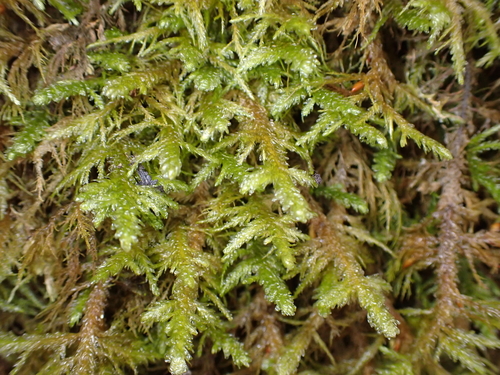
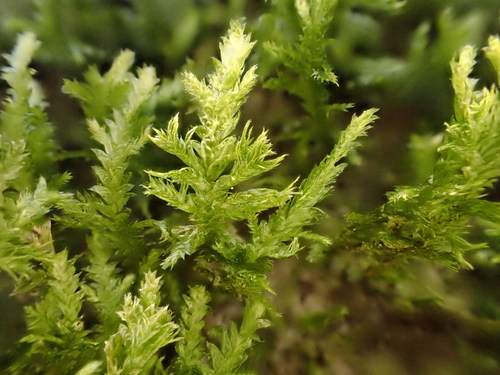
This moss species typically grows on tree trunks, rocks, and soil in humid deciduous and mixed woodlands, particularly favoring areas with stable moisture levels and filtered light. It requires specific microclimate conditions found in mature forest ecosystems with minimal disturbance.
Other threatened species in Neckeraceae

Frequently asked questions
Why is Thamnobryum subserratum classified as Endangered?
Where does Thamnobryum subserratum live?
What are the main threats to Thamnobryum subserratum?
Get weekly conservation intelligence
One short digest a week of the most striking species and country data we ship, plus breaking conservation news paired with our database where it matters.
Free, no spam. One-click unsubscribe in every email.