Species Explorer
Browse and search species from the IUCN Red List and GBIF.
54,666 species

Tiny Earthstar
VUGeastrum minimum

Tiny Mousetail
VUMyosurus minimus
tiny paperbubble
ENPhiline punctata

Tiny Spikerush
VUEleocharis parvula
Tiny White Caecilian
VUMicrocaecilia albiceps
tipped bubblegum coral
VUPhysogyra lichtensteini

Tit-like Dacnis
ENXenodacnis parina
Titania's Fritillary
CRBoloria titania
Titania's Fritillary faces severe population declines due to habitat loss from agricultural expansion and climate change impacts on its specialized alpine and subalpine environments. The species' dependence on specific host plants and narrow elevational ranges makes it particularly vulnerable to warming temperatures that force populations upslope into increasingly fragmented habitat patches.

tjärblomstermal
VUCaryocolum amaurella
tjockbladig fibbla
CRHieracium succulentifolium
Hieracium succulentifolium faces severe threats from habitat destruction and fragmentation due to urban development and agricultural expansion in its limited range. Climate change poses additional risks through altered precipitation patterns and temperature increases that affect the specialized rocky habitats this species requires. The species' extremely restricted distribution and small population size make it particularly vulnerable to local extinctions.
tjuvmyra
CRSolenopsis fugax
The thief ant (Solenopsis fugax) faces severe population declines due to habitat destruction from urbanization and intensive agriculture, which eliminates the specific soil conditions and host ant colonies it depends upon. Climate change and pesticide use further threaten remaining populations by disrupting the delicate ecological relationships this specialized parasitic species requires for survival.

Toadflax Brocade Moth
VUCalophasia lunula
tofarget sadelmorkel
ENHelvella bicolor

Tolima Dove
VULeptotila conoveri

Tondano Rat
VUTaeromys taerae
Tonweißer Dickfuß
VUCortinarius turgidus
Toplettet urtetæge
CRStagonomus bipunctatus
Stagonomus bipunctatus faces severe population declines due to widespread habitat loss from agricultural intensification and urban development across its range. The species' specialized feeding requirements on specific host plants make it particularly vulnerable to changes in vegetation composition and pesticide use in agricultural landscapes.

toppig sjömus
CRSpatangus raschi
The toppig sjömus faces severe population declines due to bottom trawling activities that destroy its fragile seafloor habitat and directly harm individuals. Climate change-induced ocean warming and acidification further threaten this species by altering sediment chemistry and reducing food availability in its specialized deep-water environment.

toprikket steinedderkopp
VUTitanoeca nivalis
Tormentil Nomad Bee
VUNomada roberjeotiana
tornflekklav
VUArthonia ilicina
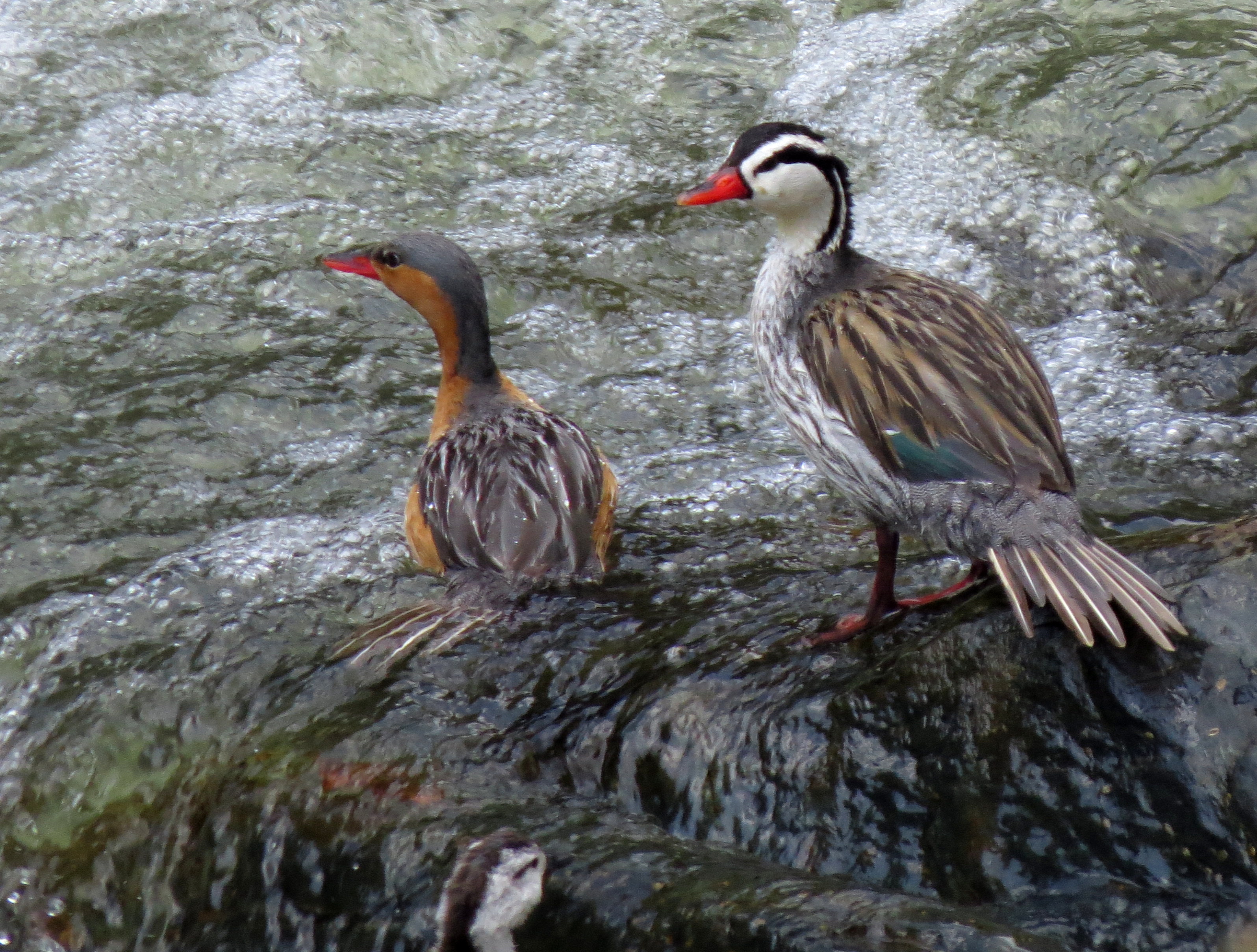
Torrent Duck
VUMerganetta armata
Tørve-slørhat
VUCortinarius chrysolitus
Tørvemos-jordtunge
ENGeoglossum glabrum
Tørvemos-skørhat
VURussula robertii
Tørvemosejæger
CRPardosa sphagnicola
The primary threats include habitat destruction from peat extraction and wetland drainage for development, which directly eliminates the specialized bog ecosystems this spider requires. Climate change and altered hydrology further degrade remaining habitats by changing water levels and vegetation composition in bog systems.
torvgropspindel
VUSatilatlas britteni
torvnattedderkopp
ENGnaphosa nigerrima
torvspededderkopp
VUCarorita limnaea
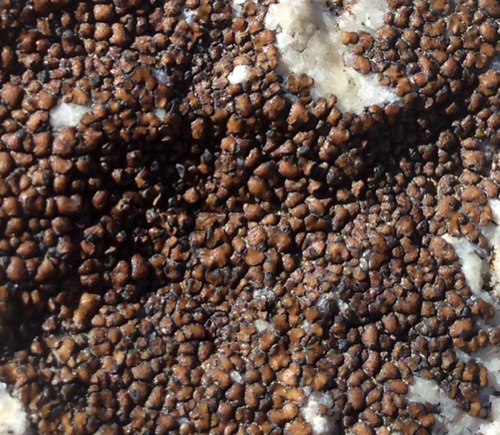
tosporet skjoldkartlav
CRRhizocarpon bolanderi
Rhizocarpon bolanderi faces severe threats from air pollution, particularly nitrogen deposition and acid rain, which alter the chemistry of its rocky substrates and disrupt its slow-growing lichen physiology. Climate change poses additional risks through altered precipitation patterns and temperature extremes that affect the delicate moisture balance required for this species' survival. Habitat destruction from quarrying, development, and recreational activities further fragments its already limited populations on specialized rock surfaces.
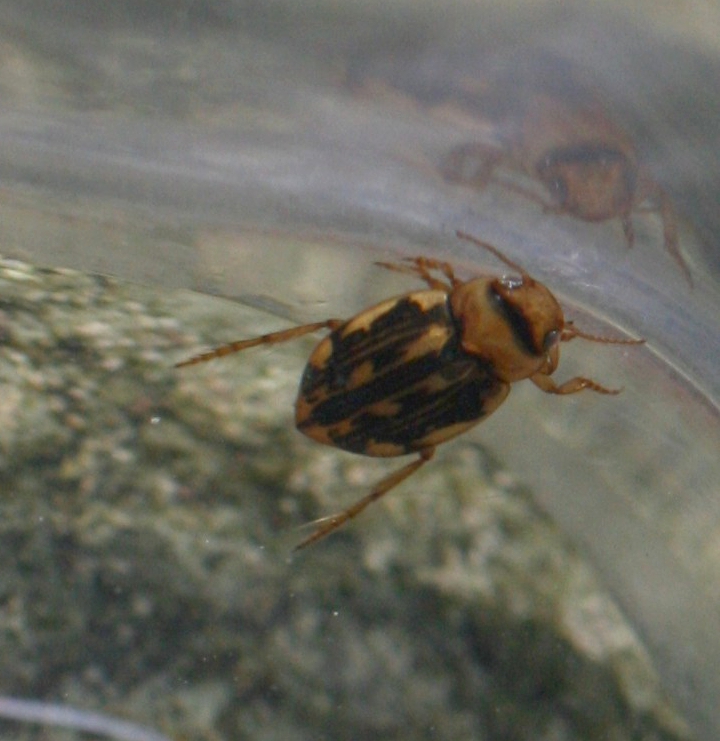
Totandet strømvandkalv
VUNebrioporus depressus

Totter Grass
VUBriza media
totumito
VUAbramites eques
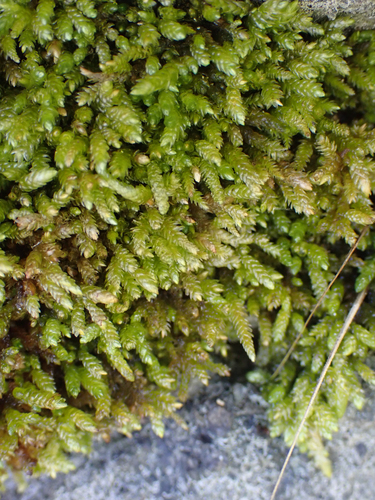
Touret's Scleropodium Moss
CRScleropodium touretii
Touret's Scleropodium Moss faces severe threats from habitat destruction and degradation of its specialized Mediterranean coastal environments. Urban development, tourism infrastructure, and climate change-induced alterations to moisture regimes pose significant risks to this endemic species with extremely limited distribution.
Toy Soldiers
CRCladonia bellidiflora
Toy Soldiers lichen faces severe threats from habitat degradation due to air pollution, acid rain, and climate change affecting the specific microenvironments it requires. Urban development and industrial activities have significantly reduced suitable habitat, while the species' slow growth rate and sensitivity to environmental changes make recovery extremely difficult.
trådmjölskinn
VUTrechispora silvae-ryae
trådöga
VUByssoloma marginatum
trådsträfse
CRChara filiformis
Chara filiformis faces severe threats from habitat degradation and water quality deterioration in its freshwater environments. Eutrophication from agricultural runoff and urban pollution has dramatically reduced suitable habitat, while climate change-induced alterations to water chemistry and temperature further compromise this sensitive aquatic macrophyte's survival.

Tragtstikmyre
VUMyrmica schencki

Trailing St John's-wort
ENHypericum humifusum
traktporelav
CRSticta fuliginoides
Sticta fuliginoides faces severe threats from habitat destruction due to deforestation and forest fragmentation, which eliminates the old-growth forest conditions essential for this epiphytic lichen. Air pollution and climate change further compromise its survival by altering the specific microclimate conditions and air quality requirements necessary for photosynthetic symbiosis.
Tränender Düngerling
ENPanaeolus guttulatus
Trans-Andean shovelnose catfish
VUSorubim cuspicaudus

Translucent Stonewort
VUNitella translucens
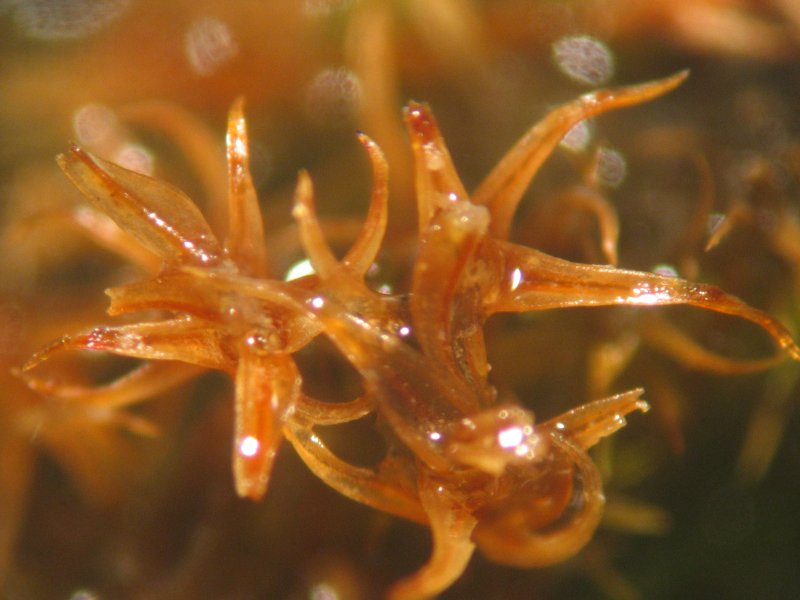
Transparent Fork-moss
VUDichodontium pellucidum
träspricklav
ENAcarospora anomala
Tree catapyrenium
VUCatapyrenium psoromoides

Tree Flute Lichen
VUMenegazzia subsimilis
Tree Fringewort
CRPtilidium pulcherrimum
Tree Fringewort faces severe threats from habitat loss due to deforestation, air pollution, and climate change impacts on its specialized bryophyte communities. This delicate liverwort is highly sensitive to environmental changes and requires very specific microhabitat conditions that are increasingly rare and fragmented.

Tree Grayling
CRHipparchia statilinus
The Tree Grayling faces severe population declines across its range due to habitat destruction and fragmentation of its specialized woodland environments. Climate change and increased frequency of wildfires pose additional threats to remaining populations, while the species' limited dispersal ability makes recovery from local extinctions extremely difficult.