
Malacodea regelaria
Local name: tunnvingemätare
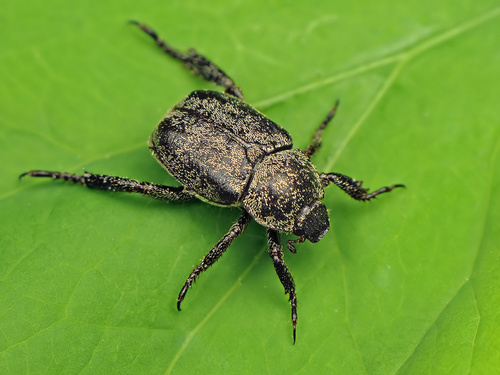
Photo: Wikimedia Commons (CC) via https://en.wikipedia.org/wiki/Malacodea
Overview
A detailed profile for this species is sourced from the IUCN Red List of Threatened Species as assessments become available.
Tunnvingemätare faces significant pressure from habitat degradation in its specialized forest environments, particularly through logging activities and forest fragmentation that disrupts the continuity of its preferred woodland habitats. Climate change poses an additional threat by altering the composition and distribution of host plant species that this geometrid moth depends upon during its larval stage. The species' apparent rarity and restricted distribution make it particularly vulnerable to local extinctions from habitat disturbances.
Habitat
This geometrid moth inhabits mature deciduous and mixed forests, particularly those with diverse understory vegetation that supports its larval host plants. The species appears to favor woodland areas with stable microclimatic conditions and continuous forest cover.
Other threatened species in Geometridae


Threatened in Estonia

Frequently asked questions
Why is tunnvingemätare classified as Vulnerable?
Where does tunnvingemätare live?
What are the main threats to tunnvingemätare?
Get weekly conservation intelligence
One short digest a week of the most striking species and country data we ship, plus breaking conservation news paired with our database where it matters.
Free, no spam. One-click unsubscribe in every email.