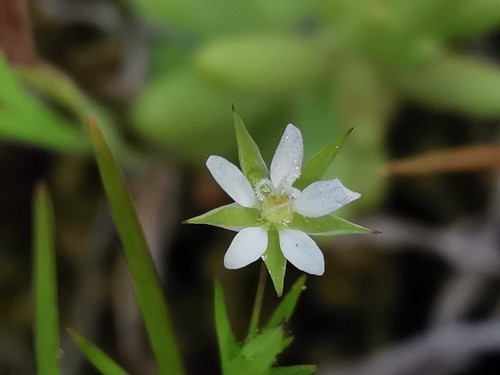
tufted pearlwort
Sagina caespitosa
Overview
A detailed profile for this species is sourced from the IUCN Red List of Threatened Species as assessments become available.
Tufted pearlwort faces severe pressure from coastal development and infrastructure projects that destroy its specialized sandy habitat. Rising sea levels and increased storm intensity associated with climate change threaten to inundate remaining populations, while recreational activities and vehicle traffic cause direct trampling damage to this low-growing perennial. The species' extremely limited distribution makes it particularly vulnerable to localized disturbances.
Habitat
Tufted pearlwort inhabits sandy coastal areas, particularly stabilized sand dunes, sandy grasslands, and coastal heath communities. The species requires well-drained, nutrient-poor sandy soils and is typically found in open areas with minimal competition from taller vegetation.
Other threatened species in Caryophyllaceae

Frequently asked questions
Why is tufted pearlwort classified as Vulnerable?
Where does tufted pearlwort live?
What are the main threats to tufted pearlwort?
Get weekly conservation intelligence
One short digest a week of the most striking species and country data we ship, plus breaking conservation news paired with our database where it matters.
Free, no spam. One-click unsubscribe in every email.