
Brown Tree-Pipit
Anthus trivialis
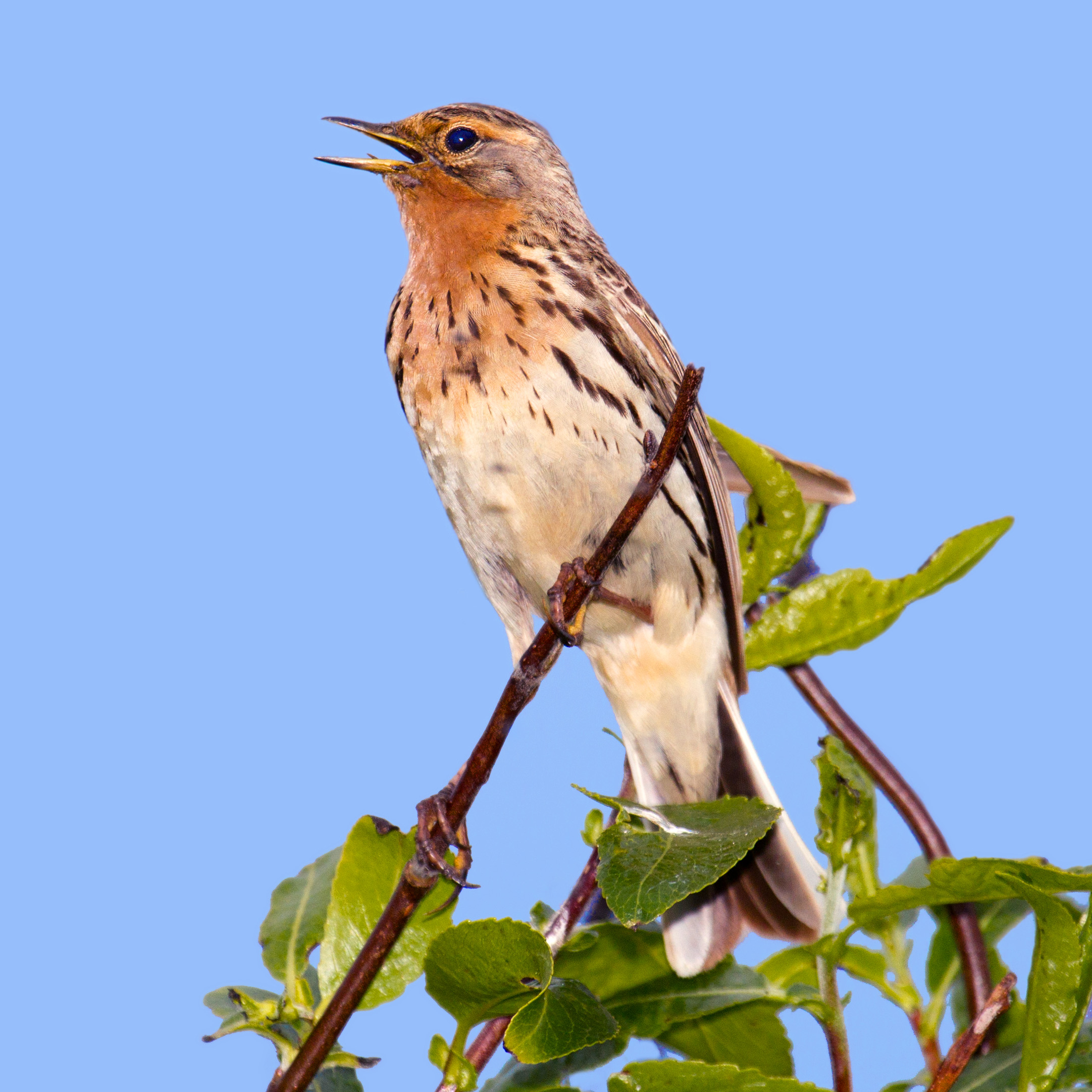
Photo: Wikimedia Commons (CC) via https://en.wikipedia.org/wiki/Tree_pipit
Overview
A detailed profile for this species is sourced from the IUCN Red List of Threatened Species as assessments become available.
The tree pipit faces severe population declines across its European breeding range, with losses exceeding 50% in many countries since the 1980s. Agricultural intensification has eliminated the mosaic of grassland, scrubland, and woodland edge habitats essential for foraging and nesting. Climate change is shifting suitable breeding conditions northward faster than the species can adapt, while habitat degradation in African wintering grounds compounds breeding season pressures.
Habitat
Tree pipits inhabit open woodlands, forest edges, heathland with scattered trees, and parkland across Europe during breeding season. They require a mosaic of grassland for foraging insects and trees or tall shrubs for song posts and nesting sites.
Other threatened species in Motacillidae


Frequently asked questions
Why is Brown Tree-Pipit classified as Endangered?
Where does Brown Tree-Pipit live?
What are the main threats to Brown Tree-Pipit?
Get weekly conservation intelligence
One short digest a week of the most striking species and country data we ship, plus breaking conservation news paired with our database where it matters.
Free, no spam. One-click unsubscribe in every email.