Coelioxys obtusispina
Overview
A detailed profile for this species is sourced from the IUCN Red List of Threatened Species as assessments become available.
Coelioxys obtusispina faces significant threats from habitat fragmentation and loss of its specialized host bee populations. As a cleptoparasitic species that depends entirely on specific solitary bee hosts for reproduction, any decline in host abundance directly impacts its survival. Agricultural intensification and urbanization have reduced the availability of suitable nesting sites and floral resources needed by both the species and its hosts.
Habitat
This cleptoparasitic bee inhabits open woodlands, forest edges, and semi-natural grasslands where its solitary bee hosts construct their nests. It requires areas with diverse flowering plants and suitable substrate for host bee nesting, including sandy soils and exposed earth banks.
Other threatened species in Megachilidae
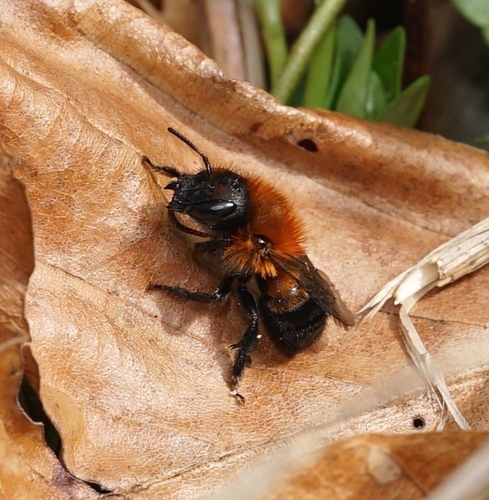
Threatened in Sweden
Frequently asked questions
Why is Coelioxys obtusispina classified as Vulnerable?
Where does Coelioxys obtusispina live?
What are the main threats to Coelioxys obtusispina?
Get weekly conservation intelligence
One short digest a week of the most striking species and country data we ship, plus breaking conservation news paired with our database where it matters.
Free, no spam. One-click unsubscribe in every email.