
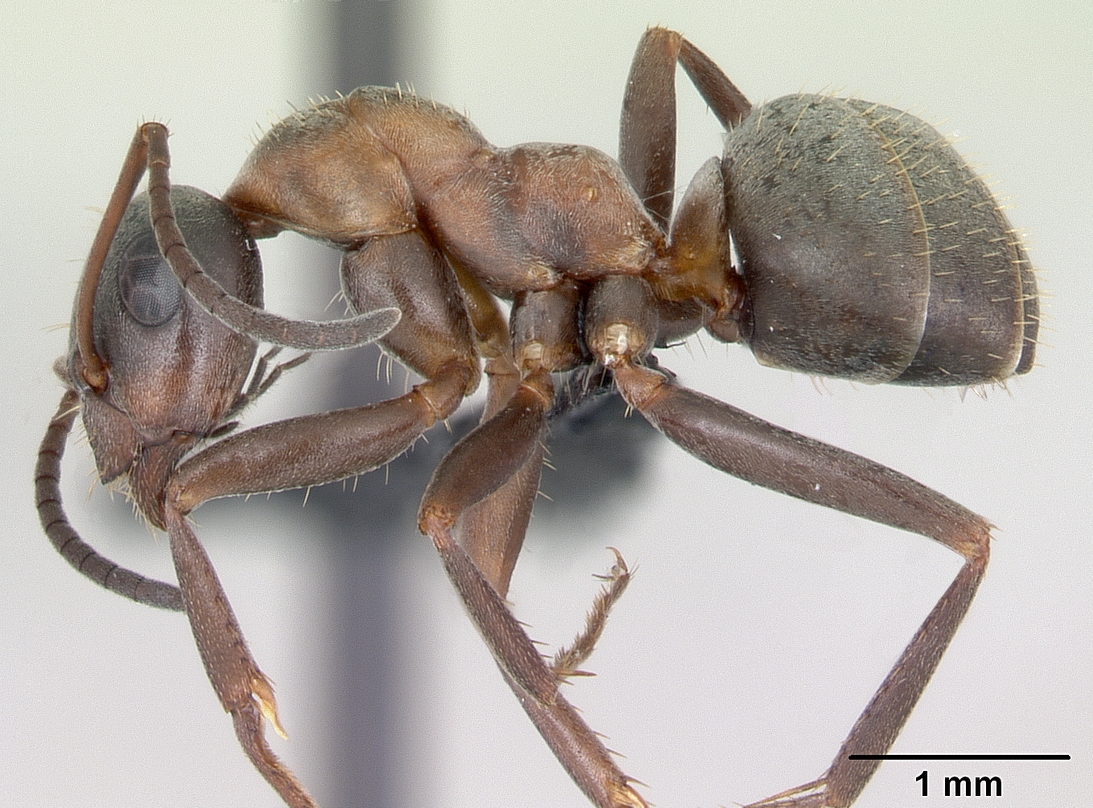
Common European Thief Ant
Solenopsis fugax
Photo: Photo: Wikimedia Commons, CC BY-SA
Overview
A detailed profile for this species is sourced from the IUCN Red List of Threatened Species as assessments become available.
The thief ant (Solenopsis fugax) faces severe population declines due to habitat destruction from urbanization and intensive agriculture, which eliminates the specific soil conditions and host ant colonies it depends upon. Climate change and pesticide use further threaten remaining populations by disrupting the delicate ecological relationships this specialized parasitic species requires for survival.
Habitat
Sandy and well-drained soils in open grasslands, meadows, and forest edges where it constructs small underground colonies near the nests of larger ant species. The species requires specific soil conditions and proximity to host ant colonies from which it steals food and brood.
Other threatened species in Formicidae

Frequently asked questions
Why is Common European Thief Ant classified as Critically Endangered?
Where does Common European Thief Ant live?
What are the main threats to Common European Thief Ant?
Get weekly conservation intelligence
One short digest a week of the most striking species and country data we ship, plus breaking conservation news paired with our database where it matters.
Free, no spam. One-click unsubscribe in every email.