
Titania's Fritillary
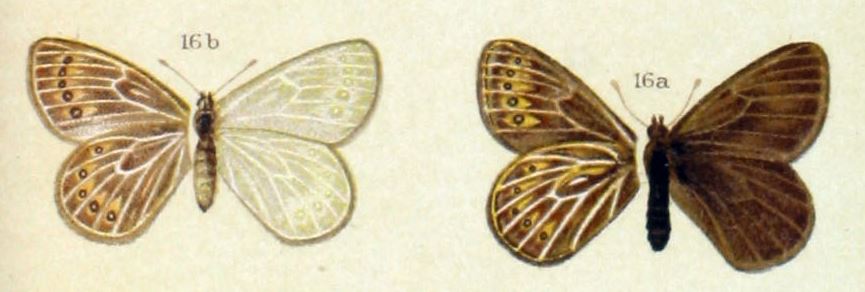
Boloria titania
Photo: Photo: Wikimedia Commons, CC BY-SA
Overview
A detailed profile for this species is sourced from the IUCN Red List of Threatened Species as assessments become available.
Titania's Fritillary faces severe population declines due to habitat loss from agricultural expansion and climate change impacts on its specialized alpine and subalpine environments. The species' dependence on specific host plants and narrow elevational ranges makes it particularly vulnerable to warming temperatures that force populations upslope into increasingly fragmented habitat patches.
Habitat
Alpine and subalpine meadows, grasslands, and moorlands typically between 1000-2500m elevation, often associated with areas containing bistort (Polygonum bistorta) and other polygonaceous host plants. The species requires flower-rich mountain meadows with specific microclimatic conditions and undisturbed soil for larval development.
Other threatened species in Nymphalidae


Frequently asked questions
Why is Titania's Fritillary classified as Critically Endangered?
Where does Titania's Fritillary live?
What are the main threats to Titania's Fritillary?
Get weekly conservation intelligence
One short digest a week of the most striking species and country data we ship, plus breaking conservation news paired with our database where it matters.
Free, no spam. One-click unsubscribe in every email.