Species Explorer
Browse and search species from the IUCN Red List and GBIF.
54,666 species
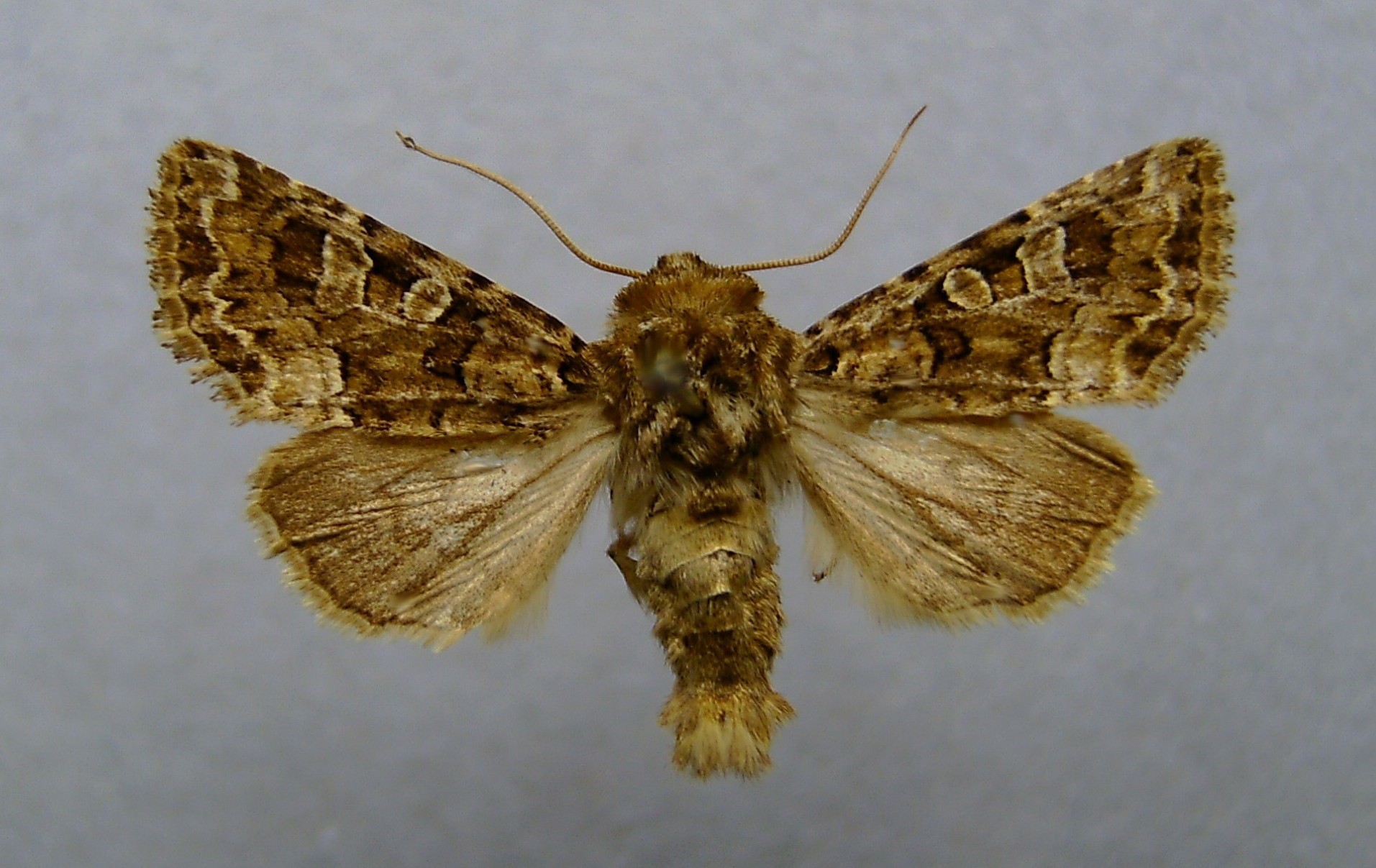
Tawny Shears
VUHadena perplexa

Tawny-faced Quail
ENRhynchortyx cinctus
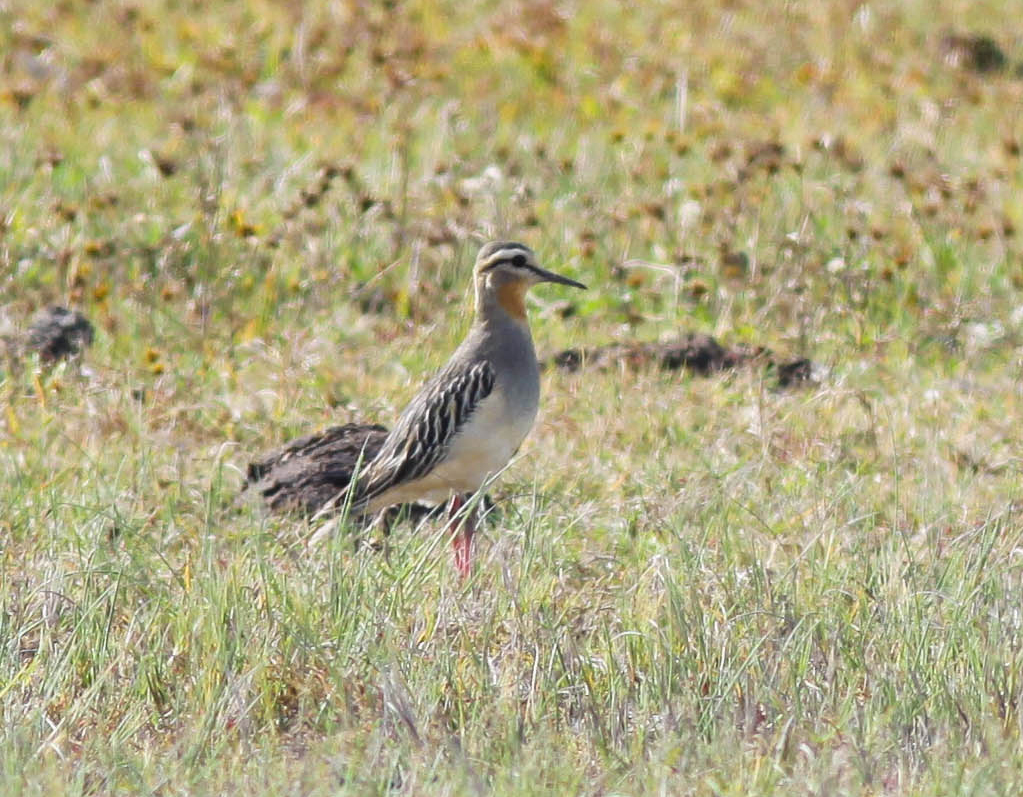
Tawny-throated Dotterel
ENOreopholus ruficollis
Teer baardmos
VUUsnea fragilescens
Teesdale Feather-moss
ENRhynchostegiella teneriffae
tegelröd blombock
CRNivellia sanguinosa
The primary threat to tegelröd blombock is habitat loss from intensive forestry practices that remove deadwood and old-growth forest structures essential for breeding. Forest fragmentation and urbanization have further reduced available habitat and isolated remaining populations. Climate change may compound these pressures by altering forest ecosystems and increasing environmental stress.
Temnochile bleu
CRTemnoscheila caerulea
Temnoscheila caerulea faces severe population declines due to widespread deforestation and habitat fragmentation across its range. The species' dependence on old-growth forest ecosystems makes it particularly vulnerable to logging activities and agricultural conversion, while climate change is altering the temperature and moisture conditions essential for both the beetle and its prey species.

Ten-day Fern
ENRumohra adiantiformis

Tengmalm’s Owl
CRAegolius funereus
Tengmalm's Owl faces severe threats from climate change-induced habitat shifts that are pushing suitable boreal forest conditions northward and to higher elevations, fragmenting populations and reducing available nesting sites. Intensive forestry practices that remove old-growth forests eliminate essential nesting cavities, while habitat fragmentation disrupts prey availability and breeding success across much of its range.

Tennessee Cave Salamander
VUGyrinophilus palleucus
tentacled lagoon worm
VUAlkmaria romijni
Teplouchovs bastborre
VUCarphoborus teplouchovi
Texas Sensitive Pea
ENChamaecrista flexuosa

The Gypsy
VUCortinarius caperatus

The Humpback
ENCantharellula umbonata

The Sickener
VURussula emetica

Thick-billed Murre / Brunnich's Guillemot
ENUria lomvia
Thick-margined Mini-miner
VUAndrena falsifica

Thick-nerved Apple-moss
VUPhilonotis calcarea

thicklip grey mullet
VUChelon labrosus
Thiên Tuế Côn Đáo
VUCycas condaoensis
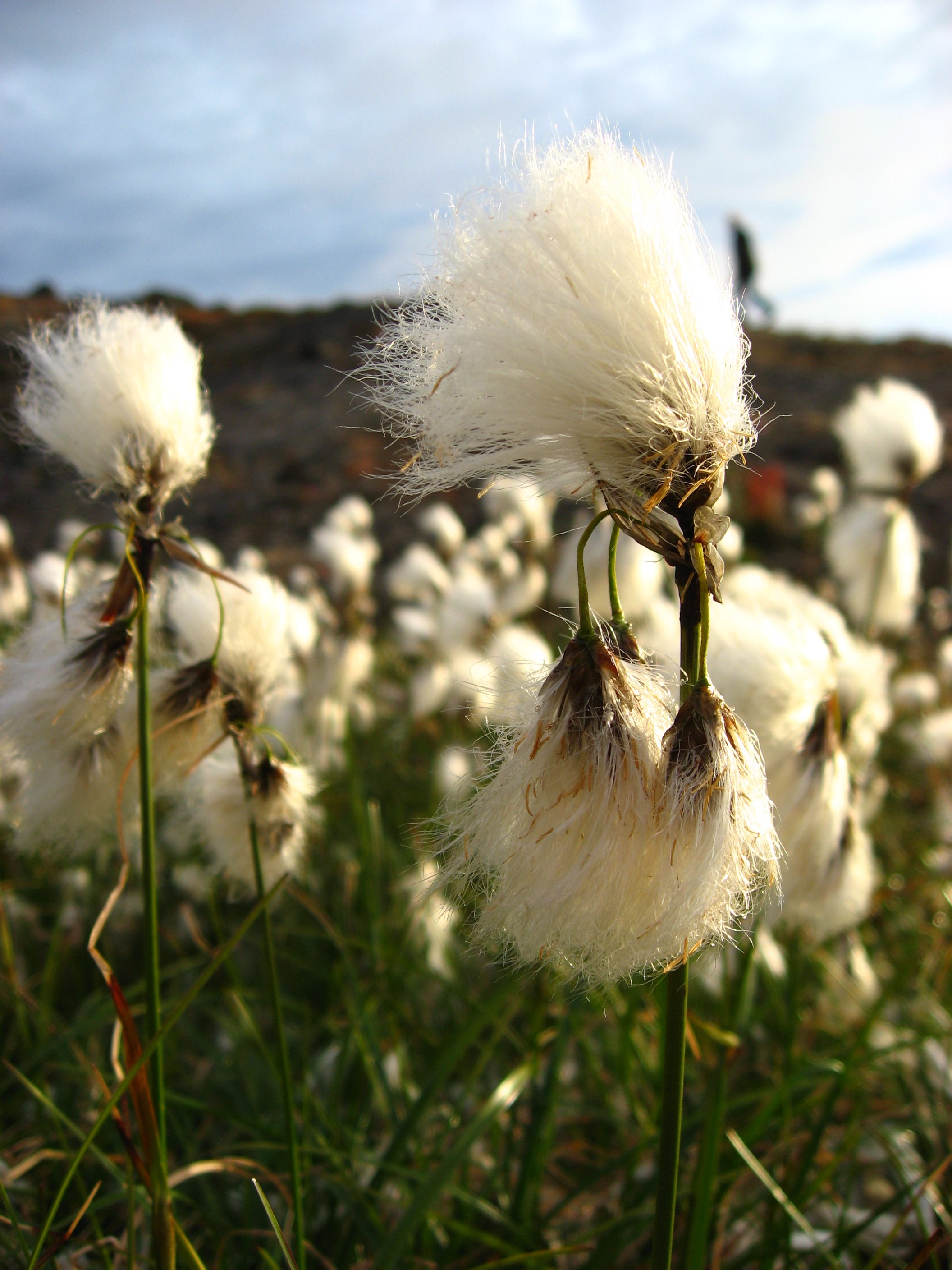
Thin-scale Cottongrass
VUEriophorum angustifolium

Thin-tailed Burbot
VULota lota
thinleaf camasey
CRHenriettea membranifolia
Thinleaf camasey faces severe threats from deforestation and habitat fragmentation across its limited range in the Caribbean and northern South America. The species' specialized habitat requirements and small population sizes make it extremely vulnerable to ongoing forest conversion for agriculture and urban development, while climate change poses additional risks to its montane forest ecosystems.
Thintail Skate
VUDipturus leptocauda

Thistle Broomrape
CROrobanche reticulata
Thistle Broomrape faces severe threats from habitat loss due to agricultural intensification and urban development across its limited range. The species' parasitic dependence on specific thistle host plants makes it particularly vulnerable to changes in land management practices and the decline of its host species populations.
Thomise tronqué
ENPistius truncatus
Thor's Fritillary
CRBoloria thore
Thor's Fritillary faces severe population declines due to habitat loss and fragmentation of its specialized alpine and subalpine environments. Climate change poses an additional critical threat as warming temperatures force this cold-adapted species to retreat to increasingly limited high-elevation refugia. The species' dependence on specific host plants and narrow ecological requirements make it particularly vulnerable to environmental changes.
thorn coral
VUStylocoeniella cocosensis
Thracian Shad
CRAlosa vistonica
The Thracian Shad faces severe threats from dam construction and river modifications that block spawning migrations, combined with water pollution and habitat degradation in both marine and freshwater environments. Overfishing and bycatch in commercial fisheries have further reduced populations. The species' restricted geographic range makes it particularly vulnerable to these localized pressures.

Three Kings Rangiora
ENBrachyglottis arborescens

Three-lined Soldier
ENOxycera trilineata
Three-ranked Bristle Moss
VUSeligeria tristichoides

Three-square Bulrush
CRSchoenoplectus pungens
Three-square Bulrush faces severe threats from wetland habitat destruction and degradation due to urban development, agricultural conversion, and water management practices that alter natural hydrology. Climate change-induced shifts in precipitation patterns and increased frequency of extreme weather events further threaten the specialized wetland ecosystems this species depends upon.
three-toed Guanabara frog
VUEuparkerella tridactyla
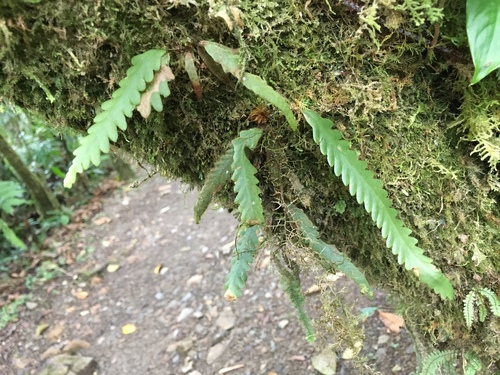
Threefork Polypody
CREnterosora trifurcata
Threefork Polypody faces severe threats from habitat destruction due to deforestation and agricultural expansion in its limited range. The species' restricted distribution makes it particularly vulnerable to localized environmental changes and human activities that fragment or destroy its specialized epiphytic habitat.
Threelobed Bazzania
CRBazzania trilobata
Threelobed Bazzania faces severe threats from habitat destruction and degradation of its specialized bryophyte communities in moist forest environments. Climate change poses additional risks through altered precipitation patterns and temperature regimes that affect the delicate moisture balance required for this liverwort's survival. Pollution and atmospheric changes further compromise the sensitive ecosystems where this species occurs.
Throw-wax
CRBupleurum rotundifolium
Throw-wax faces severe population declines primarily due to intensive agricultural practices that have eliminated its traditional arable habitat. The species has experienced dramatic range contractions across Europe as modern farming methods, including herbicide use and changes in crop rotation practices, have made agricultural landscapes inhospitable to this annual plant.
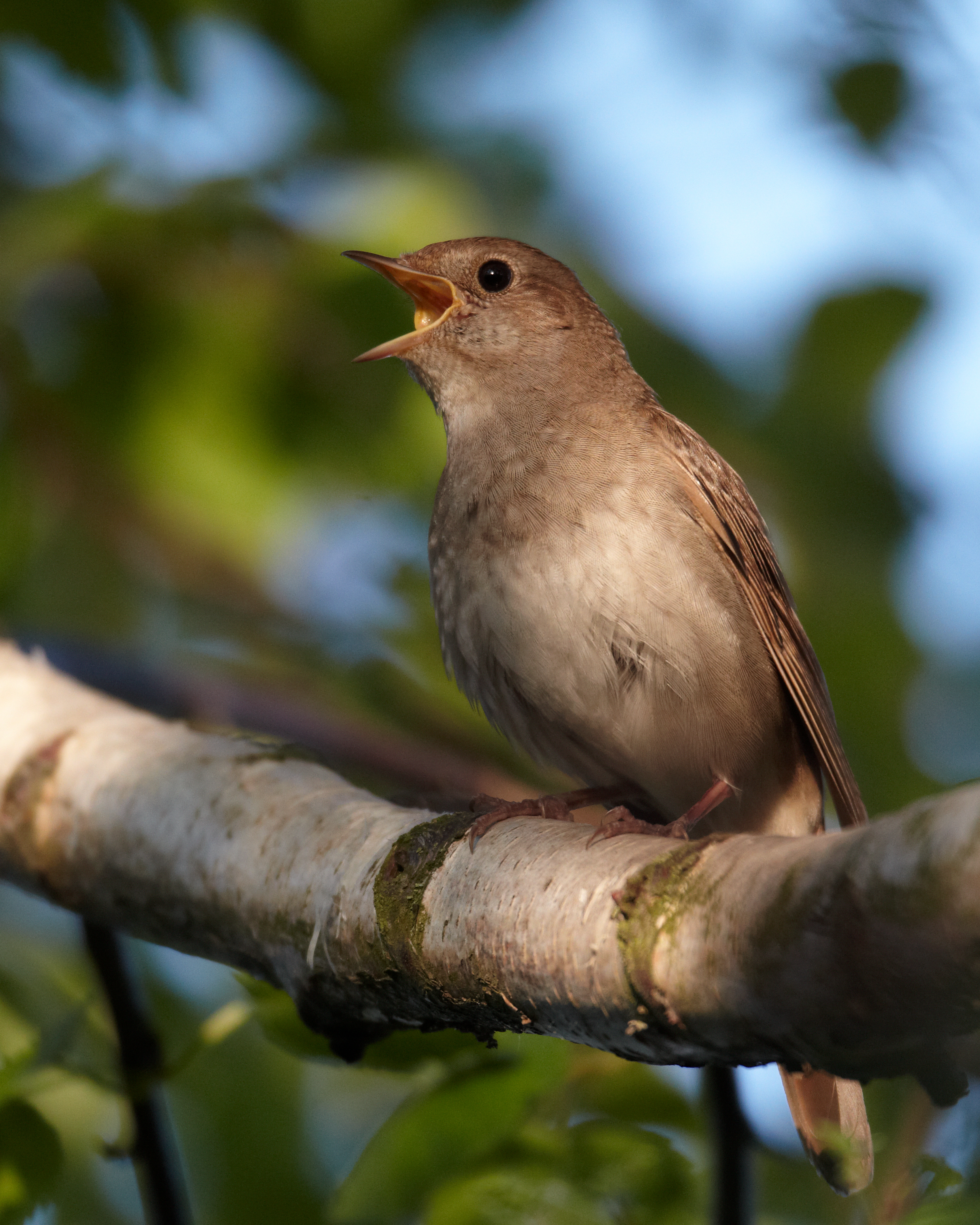
Thrush Nightingale
VULuscinia luscinia

Thyme Dodder
VUCuscuta epithymum

Thyme Pug
VUEupithecia distinctaria

Thyme-leaved Sandwort
CRArenaria leptoclados
Thyme-leaved Sandwort faces severe threats from habitat destruction and fragmentation due to urban development, agricultural expansion, and infrastructure projects that destroy its specialized sandy and rocky habitats. Climate change poses additional risks through altered precipitation patterns and increased drought frequency, while invasive plant species compete for resources in its limited suitable habitats.
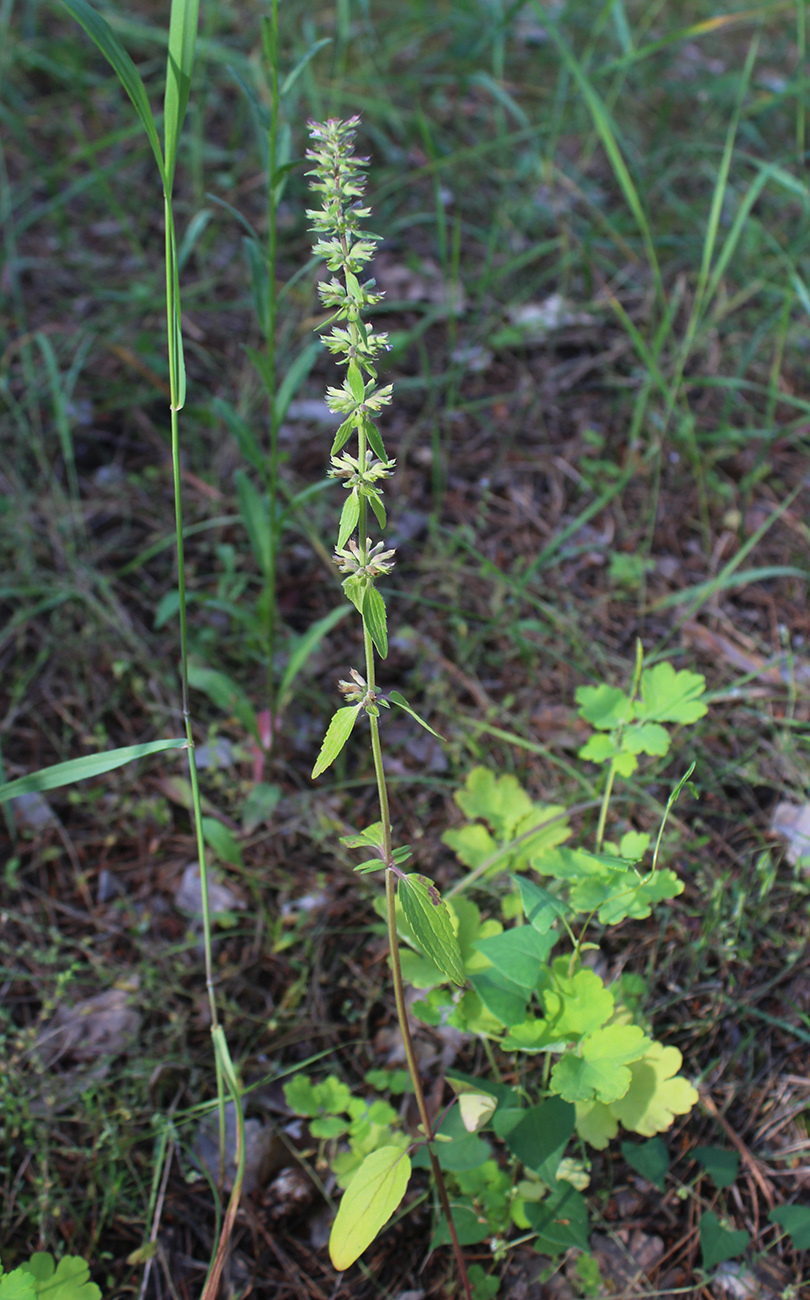
Thymeleaf Dragonhead
ENDracocephalum thymiflorum
Thymianblattzikade
ENChlorita dumosa
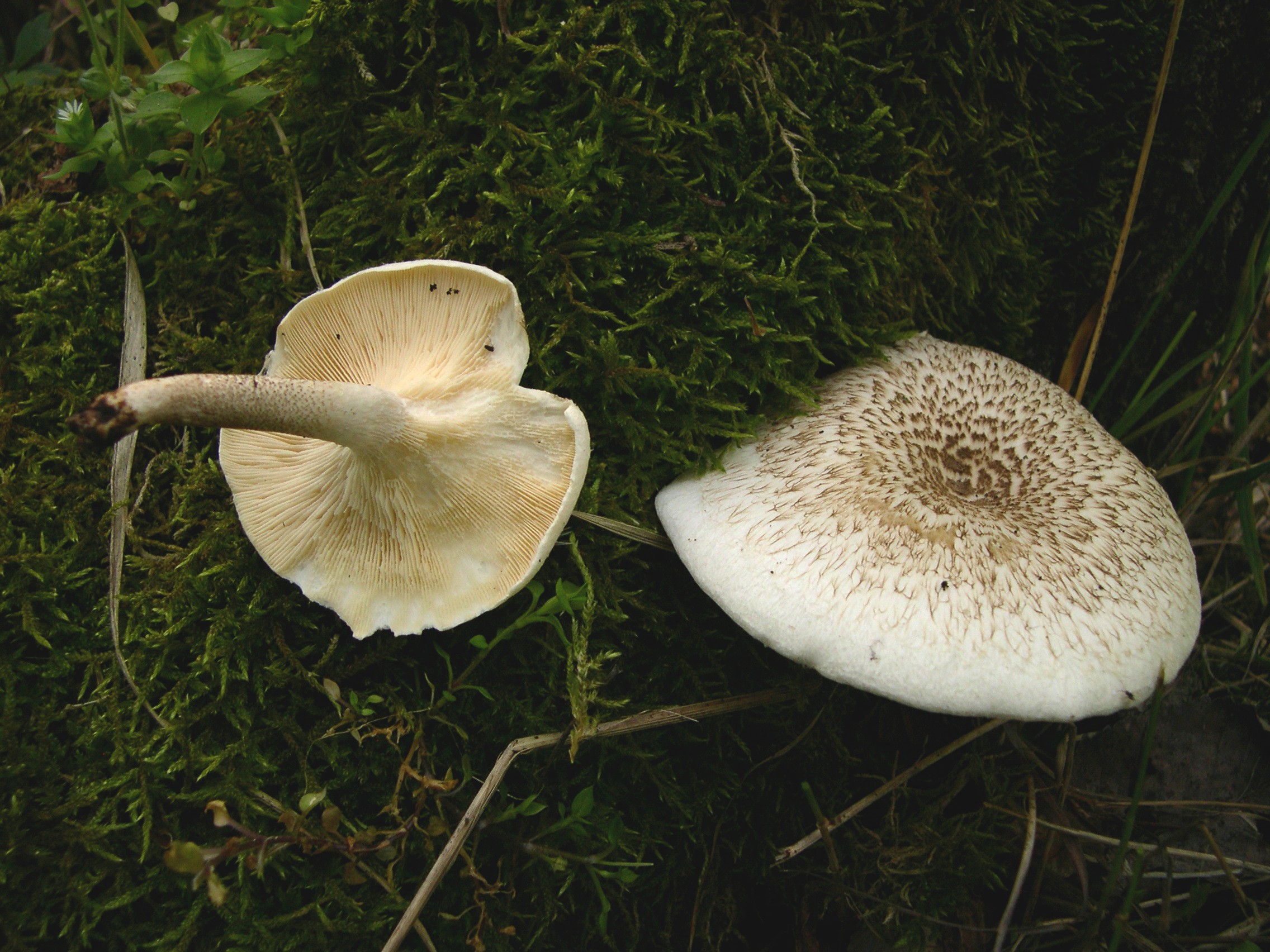
Tiger Sawgill
CRLentinus tigrinus
Habitat loss through deforestation and intensive forest management practices that remove dead wood have severely reduced available substrates for this fungus. Climate change and altered precipitation patterns are disrupting the specific moisture conditions required for spore germination and mycelial growth, while air pollution may be affecting its sensitive reproductive processes.

Tiger sorubim, Tiger catfish, Tiger-shovelnose
VUPseudoplatystoma tigrinum

Tigerstriped catfish
VUBrachyplatystoma tigrinum
Timavo sculpin
VUCottus scaturigo

Timbiri Barb
CRSystomus timbiri
The Timbiri Barb faces severe threats from habitat degradation and water pollution in its limited range within the Western Ghats of India. Dam construction, agricultural runoff, and urban development have significantly altered the pristine stream ecosystems this endemic species depends upon for survival.
timmersågsfibbla
CRHieracium serratoellipticum
Timmersågsfibbla faces severe threats from habitat degradation and fragmentation in its specialized alpine and subalpine environments. Climate change poses an additional critical risk by altering the temperature and moisture conditions essential for this species' survival in high-elevation ecosystems. The species' extremely limited distribution and small population size make it particularly vulnerable to local extinctions.