Species Explorer
Browse and search species from the IUCN Red List and GBIF.
54,666 species

Snowline Wintergreen
CRPyrola minor
Snowline Wintergreen faces severe threats from climate change as warming temperatures force this cold-adapted species to retreat to increasingly limited high-elevation refugia. Habitat fragmentation and degradation from human activities, combined with the species' specialized ecological requirements and slow reproductive rate, have contributed to dramatic population declines across its range.
Snowy-throated Babbler
VUStachyris oglei
snylterødspore
VUEntoloma pseudoparasiticum
snylteskivelav
ENLecidea degeliana

Soapy Trich
ENTricholoma saponaceum
sobo-sobo
VUTerminalia pellucida
Sødtduftende mørkhat
ENPsathyrella suavissima

Soft Bog-moss
CRSphagnum tenellum
Soft Bog-moss faces severe threats from habitat destruction and degradation of its specialized bog ecosystems through drainage, peat extraction, and agricultural conversion. Climate change poses additional risks by altering the hydrological conditions essential for bog maintenance, while pollution from agricultural runoff and atmospheric nitrogen deposition further degrades these sensitive wetland environments.

Soft-furred Akodont
ENAkodon mollis

softshell crab
VUCallinectes sapidus
soikojuovasukeltaja
CRGraptodytes granularis
Graptodytes granularis faces severe threats from habitat degradation and loss of pristine aquatic environments across its limited range. Water pollution, eutrophication, and destruction of wetland habitats have significantly reduced suitable breeding and foraging areas for this specialized diving beetle.
solmaskros
CRTaraxacum dissimile
Solmaskros faces severe threats from habitat destruction due to urban development and agricultural expansion in its limited range. Climate change poses additional risks through altered precipitation patterns and temperature shifts that affect its specialized ecological requirements. The species' restricted distribution makes it particularly vulnerable to localized threats and population fragmentation.

Solomons Pitta
VUPitta anerythra
Sølvplettet glansløber
CRBembidion litorale
Bembidion litorale faces severe threats from coastal habitat destruction and climate change impacts on its specialized shoreline environments. Rising sea levels and increased storm intensity threaten the narrow band of suitable coastal habitats this species depends on, while human development and pollution further degrade remaining sites.

Sombre Kingfisher
VUTodiramphus funebris
Sombre Leaf-warbler
VUPhylloscopus amoenus
Songi bariil
VUBarilius dimorphicus

Sooty Orange-tip
ENZegris eupheme
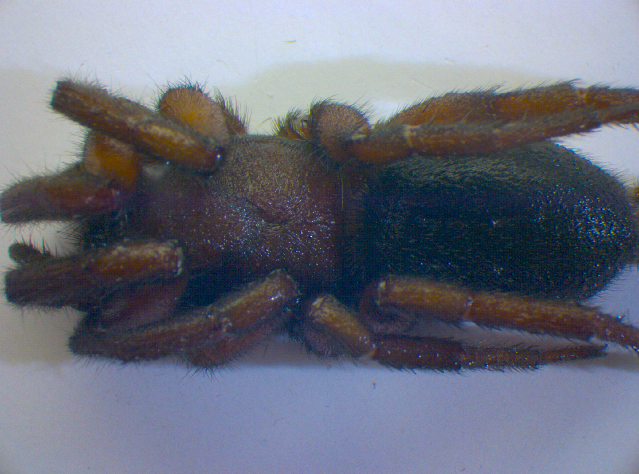
sorgnattedderkopp
CRGnaphosa lucifuga
Gnaphosa lucifuga faces severe population declines due to habitat destruction and degradation of its specialized cave and underground environments. Human activities including cave disturbance, mining operations, and groundwater pollution have significantly reduced available habitat, while the species' limited dispersal ability makes population recovery extremely difficult.
sorgnavling
VUMelanomphalia nigrescens
sorgsvampmal
VUNemapogon falstriella

Sørlandsragg
CRRamalina baltica
Sørlandsragg faces severe threats from air pollution, particularly nitrogen deposition and sulfur compounds, which dramatically alter the chemistry of its substrate and surrounding environment. Climate change is causing shifts in precipitation patterns and temperature regimes that affect the delicate moisture balance this lichen requires, while coastal development and infrastructure projects continue to destroy its specialized rocky habitats along the Norwegian coastline.

Sort træsmuldsvirreflue
VUChalcosyrphus valgus
Sortbenet bredløber
CRAnisodactylus signatus
Anisodactylus signatus faces severe population declines due to widespread habitat destruction and degradation of its specialized coastal and wetland environments. Agricultural intensification, urban development, and changes in water management practices have significantly reduced the availability of suitable breeding and foraging sites. Climate change and sea level rise pose additional threats to remaining coastal populations.
Sortfodet trævlhat
VUInocybe melanopoda
sotstumpbagge
CRAcritus homoeopathicus
The sotstumpbagge faces severe population declines due to widespread habitat destruction from agricultural expansion and urban development across its limited range. Climate change is altering the specific microhabitat conditions this species requires, while invasive species compete for resources and disrupt established ecological relationships.
South American River Turtle
CRPodocnemis expansa
The South American River Turtle faces severe population declines due to intensive exploitation for eggs and meat, which has devastated nesting populations across its range. Habitat destruction from dam construction, mining, and deforestation along river systems has further fragmented populations and degraded critical nesting beaches. Climate change and altered river flows compound these pressures by affecting nesting success and food availability.
South American Spiny Mouse
VUScolomys melanops
South Sierra Nevada Springsnail
VUPyrgulopsis giulianii

Southern Adder’s Tongue
VUOphioglossum vulgatum

Southern Bald Ibis
VUGeronticus calvus

Southern Comma
VUPolygonia egea
The Southern Comma butterfly faces significant population declines primarily due to habitat loss and fragmentation from agricultural expansion and urban development across its range. Climate change is altering the distribution and phenology of its host plants, while increased frequency of extreme weather events disrupts breeding cycles and reduces survival rates.

Southern Eyelash Boa
CRTrachyboa gularis
The Southern Eyelash Boa faces severe threats from habitat destruction due to deforestation and agricultural expansion throughout its limited range in South American cloud forests and montane regions. Its extremely restricted distribution and specialized habitat requirements make populations highly vulnerable to environmental changes and human encroachment. The species' slow reproductive rate and small population size further compound its risk of extinction.

Southern Festive Amazon
VUAmazona festiva
Southern Frillfin
VUBathygobius lineatus

Southern Hill Toad
VUDuttaphrynus microtympanum
The Southern Hill Toad faces significant population declines primarily due to habitat loss from agricultural expansion and urbanization in its limited range in the Western Ghats of India. Additional pressures from climate change and potential disease outbreaks further threaten this endemic species with its restricted distribution.
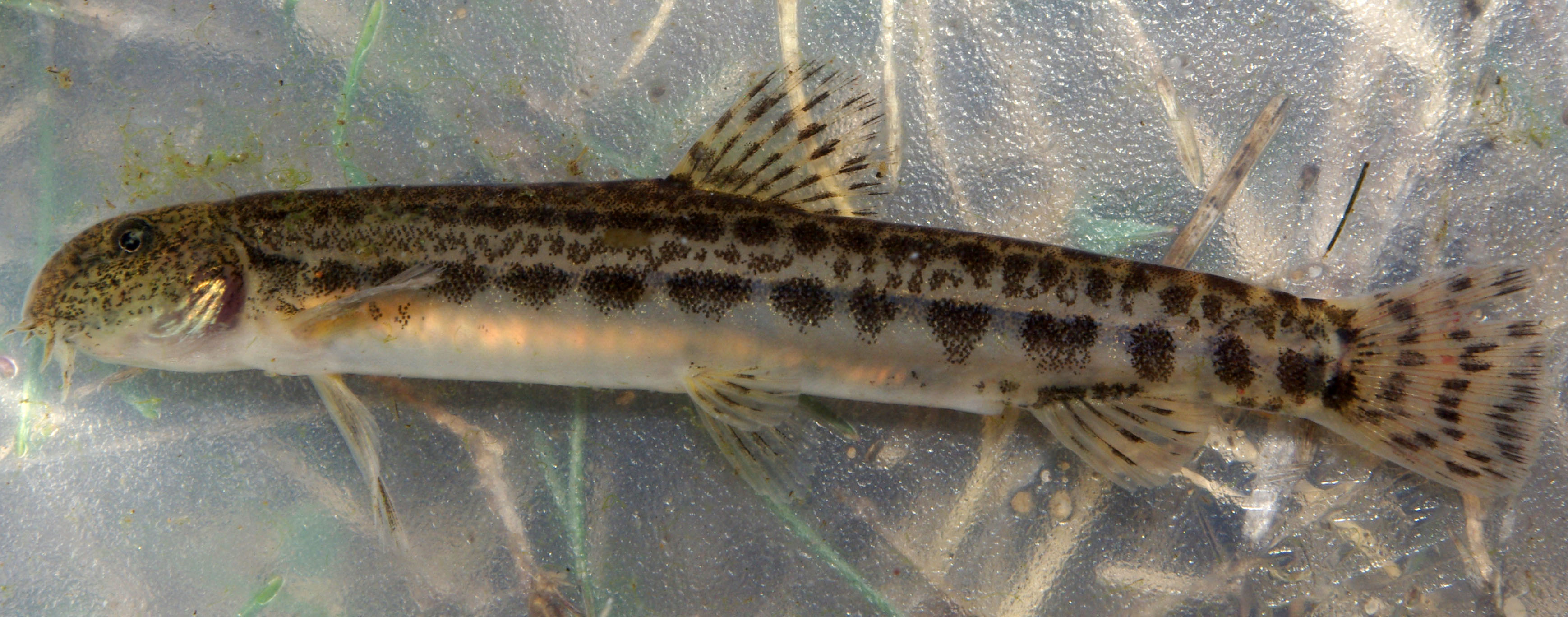
Southern Iberian spined loach
VUCobitis paludica

Southern Naked-Tailed Armadillo
VUCabassous unicinctus

Southern Pochard
ENNetta erythrophthalma

Southern Silvery Grebe
VUPodiceps occipitalis

Southern Small White
VUPieris mannii

Southern Swallowtail
VUPapilio alexanor
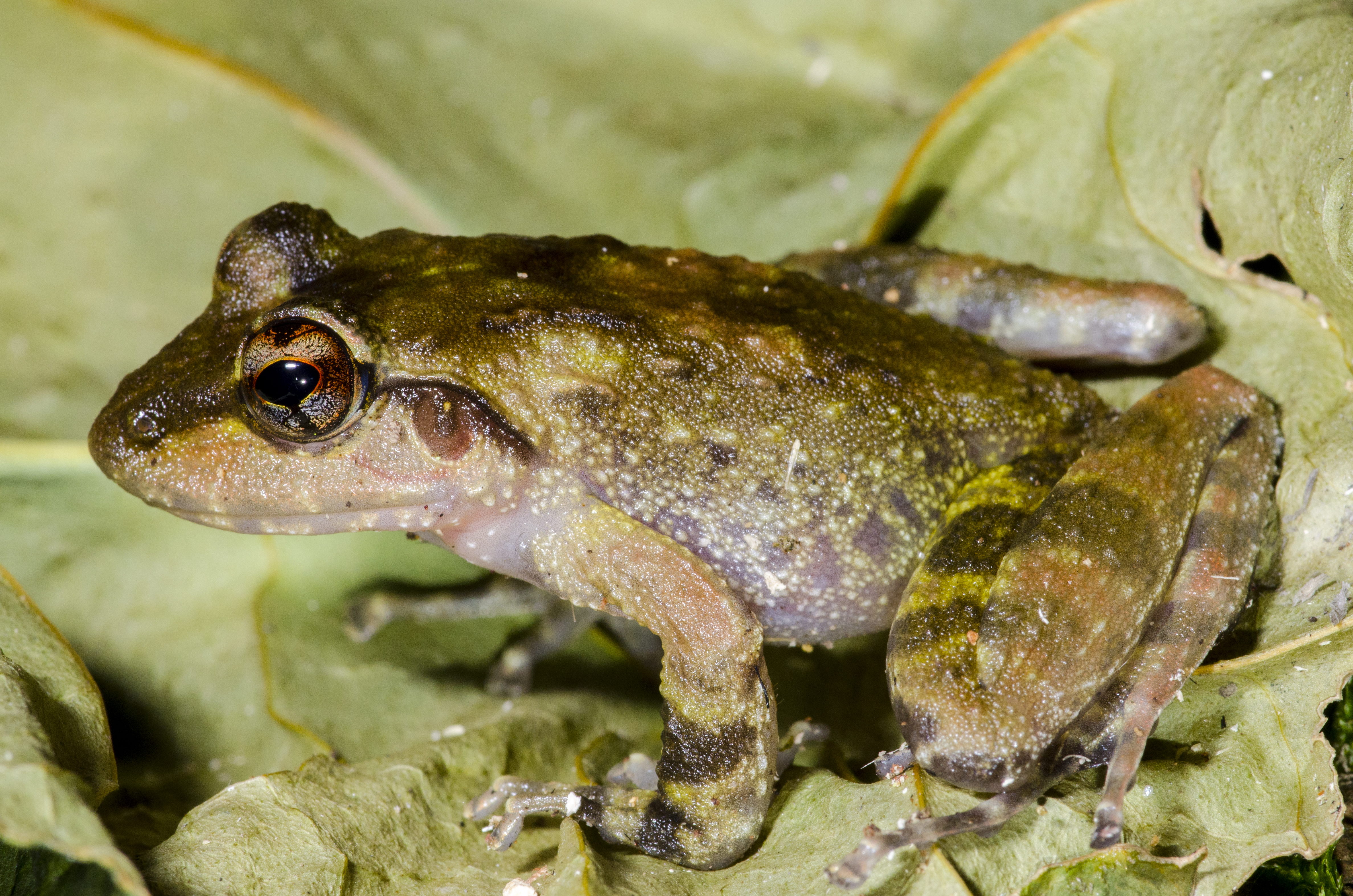
southern torrent frog
ENArthroleptides yakusini

Southern White Admiral
CRLimenitis reducta
The Southern White Admiral faces severe population declines across its European range due to widespread habitat loss and fragmentation of woodland ecosystems. Climate change is altering the distribution and phenology of its host plants, while intensive forest management practices have reduced the availability of suitable breeding habitats with the specific microclimate conditions this species requires.
southern white shrimp
VUPenaeus schmitti

Southern Whitetail Major
VUStegastes beebei

Southwestern water vole, Southern water vole
VUArvicola sapidus
Sow small dung beetle
VUTrichonotulus scrofa

Spanish Algyroides
ENAlgyroides marchi

Spanish Argus
VUAricia morronensis