
Ramalina baltica
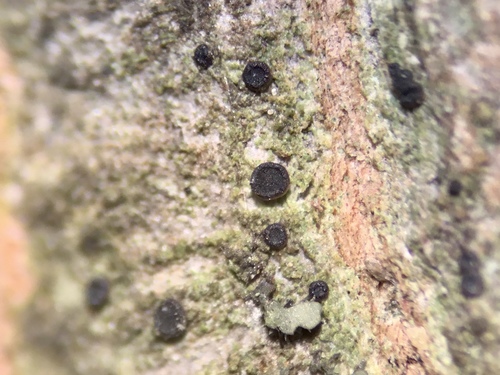
Photo: (c) Jurga Motiejūnaitė, some rights reserved (CC BY-NC), uploaded by Jurga Motiejūnaitė
Overview
Ramalina baltica is a species of lichen in the family Ramalinaceae. The lichen was formally described as a new species by Georg Lettau in 1912. It was proposed for inclusion in the red data book of Belarus. It is also found in North America, where it occurs in fog zones of Central California.
Sørlandsragg faces severe threats from air pollution, particularly nitrogen deposition and sulfur compounds, which dramatically alter the chemistry of its substrate and surrounding environment. Climate change is causing shifts in precipitation patterns and temperature regimes that affect the delicate moisture balance this lichen requires, while coastal development and infrastructure projects continue to destroy its specialized rocky habitats along the Norwegian coastline.
Habitat
Sørlandsragg grows exclusively on siliceous rocks and coastal cliffs in maritime environments along the southern Norwegian coast, particularly in areas with specific microclimatic conditions that provide the right balance of moisture and exposure. This lichen requires clean air and stable substrate chemistry to survive in these specialized rocky coastal habitats.
Other threatened species in Ramalinaceae
Frequently asked questions
Why is Ramalina baltica classified as Critically Endangered?
Where does Ramalina baltica live?
What are the main threats to Ramalina baltica?
Get weekly conservation intelligence
One short digest a week of the most striking species and country data we ship, plus breaking conservation news paired with our database where it matters.
Free, no spam. One-click unsubscribe in every email.