Species Explorer
Browse and search species from the IUCN Red List and GBIF.
54,666 species

small mallow
VUMalva pusilla
Small mallow faces significant population declines primarily due to habitat loss from agricultural intensification and urban development. The species is particularly vulnerable to changes in land use practices that eliminate the disturbed soils and open areas it requires for establishment and growth.
Small Mesh-weaver
ENDictyna pusilla

Small Northern Bog Orchid
ENPlatanthera obtusata
Small Paa Frog
VUNanorana minica

Small Pearl-bordered Fritillary Butterfly
VUBoloria selene

Small Rufous
VUCoenobia rufa
Small Sandpit Mining Bee
ENAndrena argentata

Small Scabious
ENScabiosa columbaria

Small Scabious Mining Bee
VUAndrena marginata

Small Spreadwing
ENLestes virens
Small Sweet-grass
VUGlyceria declinata

Small Timber Clothes Moth
ENTriaxomasia caprimulgella

Small Torrent Frog
VUMicrixalus saxicola

Small-flowered Bittercress
VUCardamine parviflora
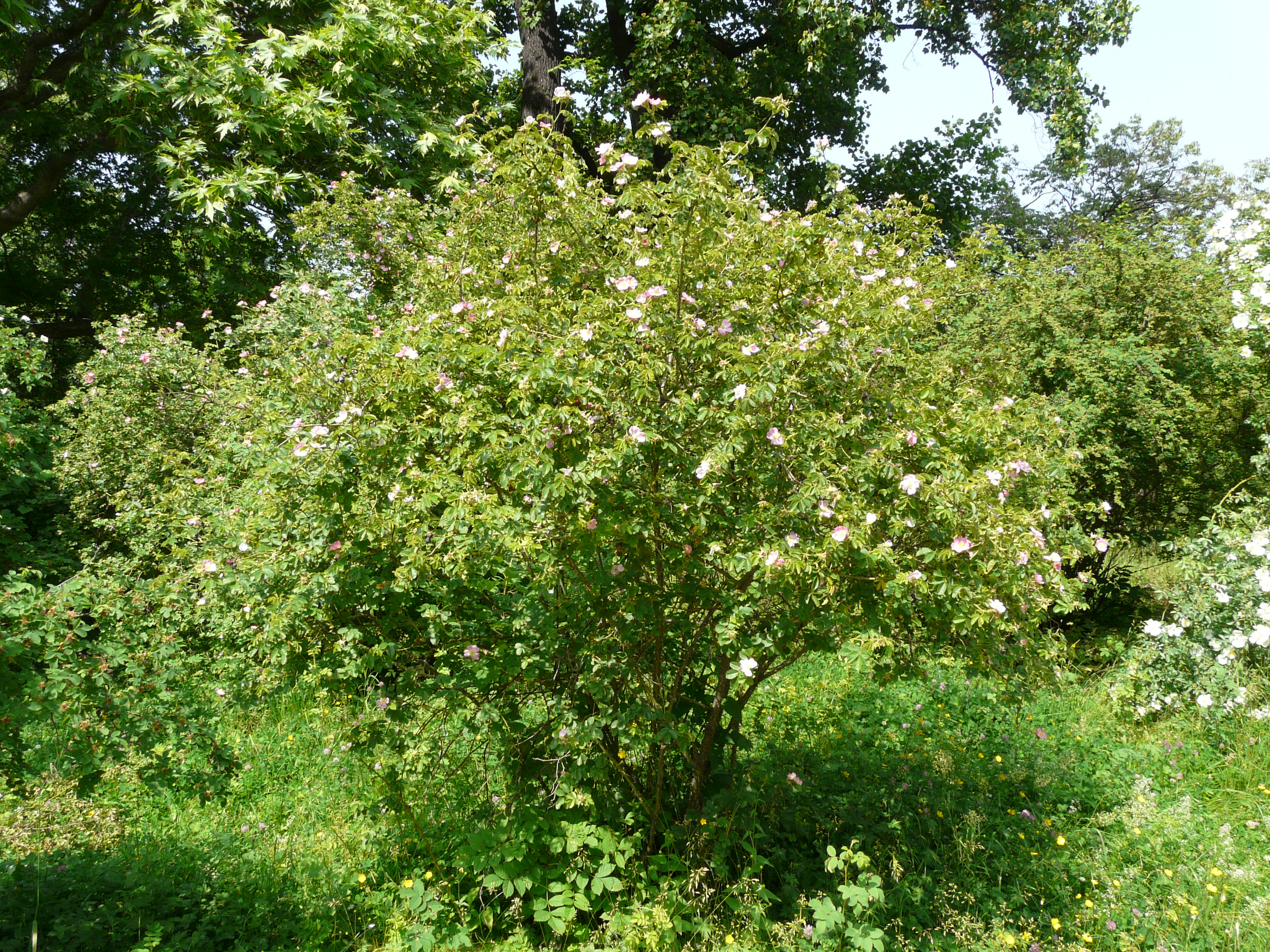
Small-flowered Sweet-briar
CRRosa micrantha
Small-flowered Sweet-briar faces severe population declines due to habitat loss from agricultural expansion and urban development across its native range. The species is particularly vulnerable to competition from invasive plant species and changes in land management practices that alter the natural disturbance regimes essential for its establishment and survival.

Small-headed barbel
VULuciobarbus microcephalus
Small-horned Walckenaer
VUWalckenaeria corniculans

Small-leaved Sweet-briar
CRRosa agrestis
Small-leaved Sweet-briar faces severe population declines due to habitat loss from agricultural intensification and urban development across its native European range. The species is particularly vulnerable to changes in traditional land management practices, as it depends on specific disturbance regimes and edge habitats that are increasingly rare in modern landscapes.
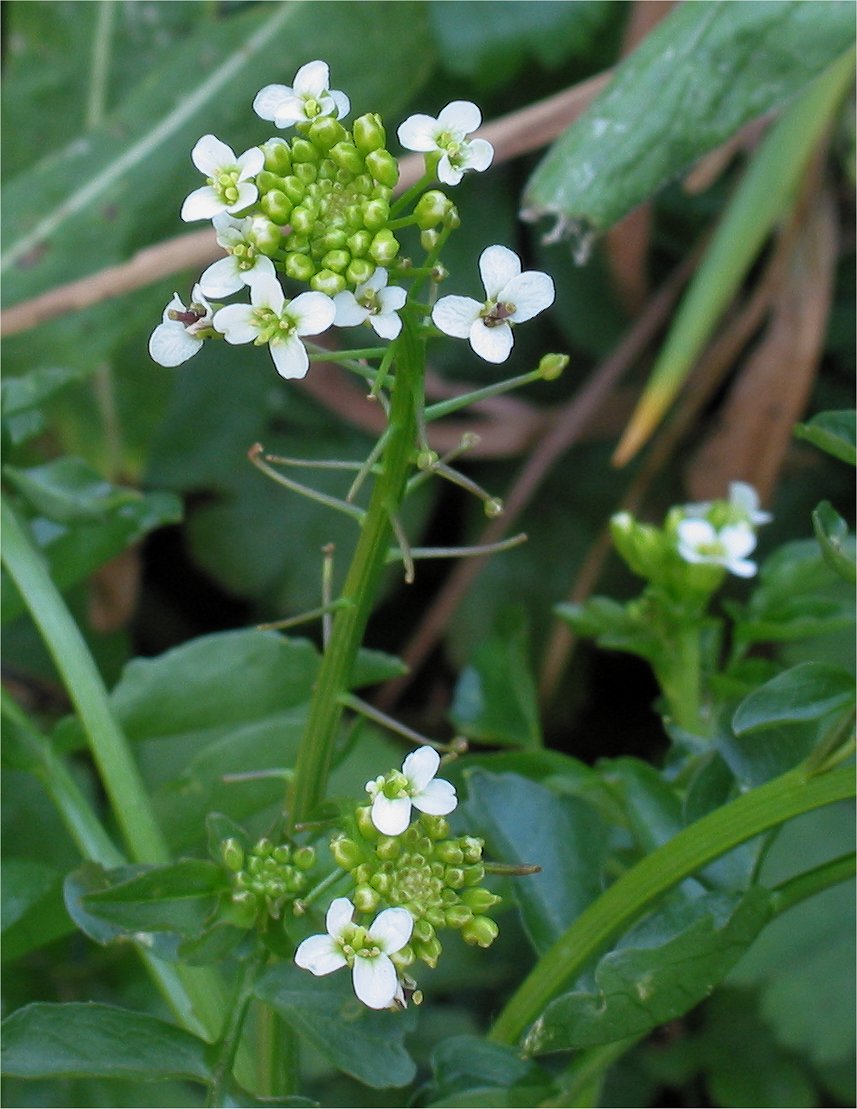
Small-leaved Watercress
CRNasturtium microphyllum
Small-leaved Watercress faces severe threats from habitat degradation and loss of suitable freshwater environments due to pollution, agricultural runoff, and urban development. Water quality deterioration and hydrological modifications to streams and wetlands have significantly reduced available habitat for this aquatic plant species.
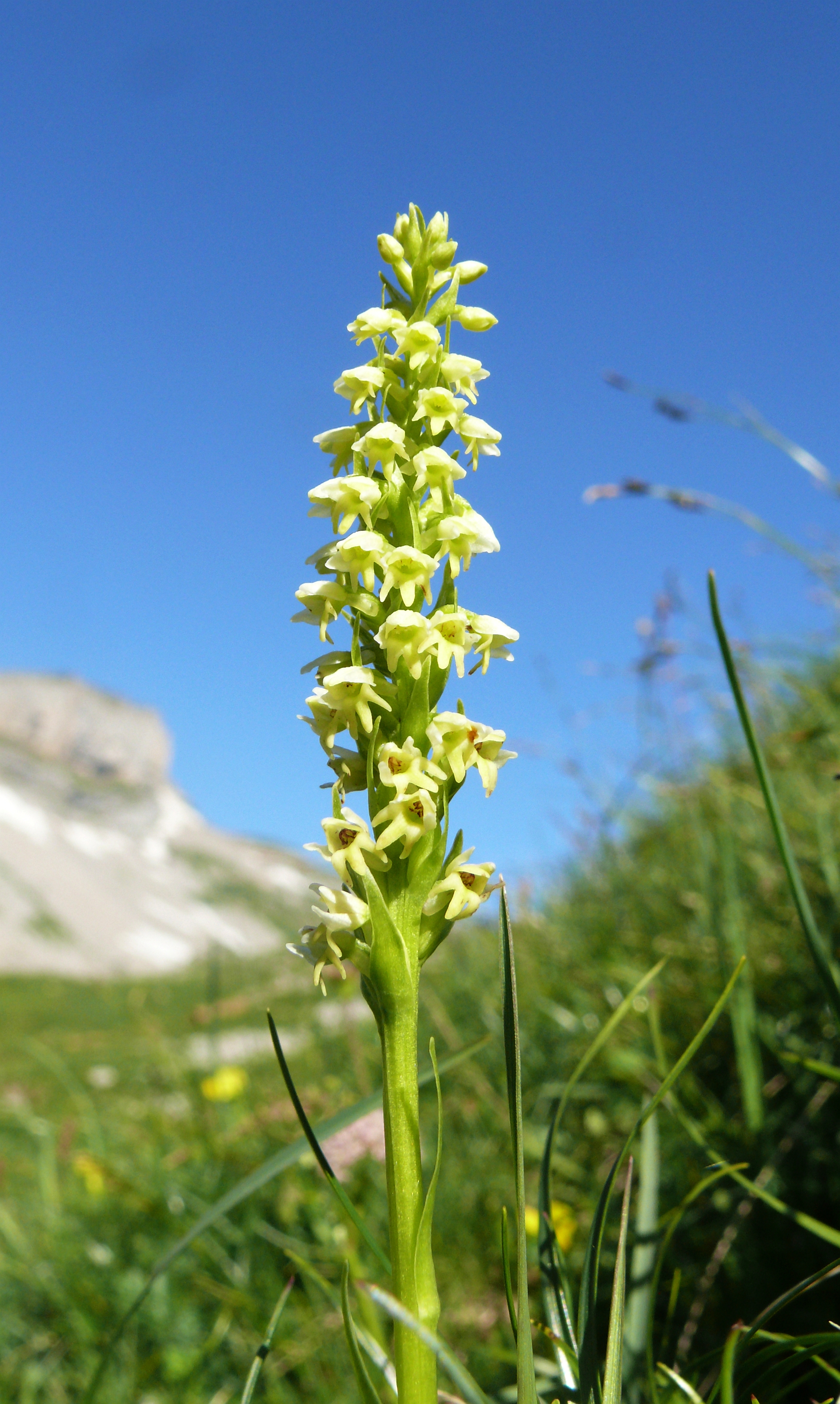
Small-white Orchid
ENPseudorchis albida
Small's yelloweyed grass
CRXyris smalliana
Small's yelloweyed grass faces severe threats from habitat loss due to wetland drainage, development, and agricultural conversion throughout its limited range in the southeastern United States. The species' specialized habitat requirements and small, fragmented populations make it extremely vulnerable to environmental changes and human disturbance.
smalle schorssnuitkever, smalle schorssnuittor, smalle snuittor
VUCossonus linearis
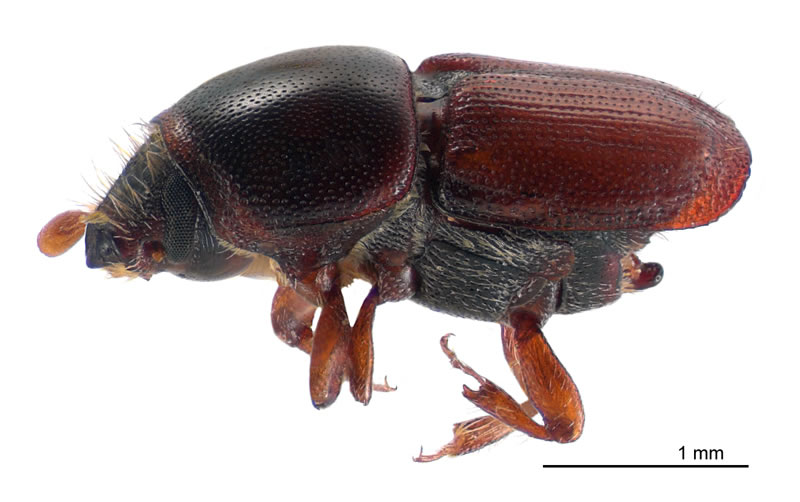
Smaller European Elm Bark Beetle
VUScolytus multistriatus

Smaller Green Dock
ENRumex conglomeratus

Smaller Najas
CRNajas minor
Smaller Najas faces severe threats from habitat degradation and loss of suitable aquatic environments due to water pollution, eutrophication, and human development pressures. The species' specialized requirements for clean, shallow freshwater systems make it particularly vulnerable to water quality changes and habitat fragmentation.
Smallest Pottia
VUMicrobryum davallianum

Smallseed Falseflax
VUCamelina microcarpa
smalmeldetege
VUPiesma capitata
smalpalpedderkopp
VULeptorhoptrum robustum
smalsporige pelargoniumgordijnzwam
VUCortinarius violilamellatus
smalt ålgräs
ENZostera angustifolia
Smith's Brome
CRBromus pseudosecalinus
Smith's Brome faces severe population declines due to habitat loss from agricultural intensification and urban development across its native range. The species is particularly vulnerable to competition from invasive grasses and changes in traditional land management practices that historically maintained suitable habitat conditions.

Smoky Dapperling
CRLeucoagaricus barssii
The Smoky Dapperling faces severe threats from habitat destruction and fragmentation of its specialized woodland environments. Urban development, agricultural expansion, and forest management practices have significantly reduced suitable habitat, while the species' limited dispersal ability and specific ecological requirements make population recovery extremely difficult.
Smooth Bristle Bracket
ENPhellinus laevigatus

Smooth Brome
ENBromus racemosus

smooth catsear
VUHypochaeris glabra
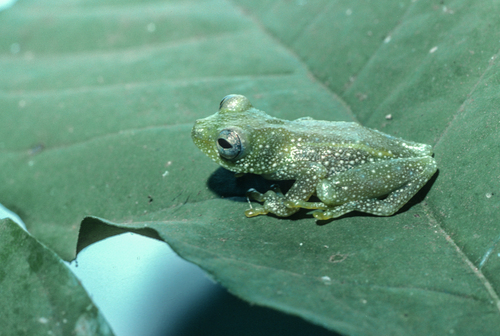
smooth egg-guarding frog
CRAlexteroon jynx
The smooth egg-guarding frog faces severe population declines due to habitat destruction from deforestation and agricultural expansion throughout its limited range. Climate change is altering precipitation patterns critical for breeding, while the deadly chytrid fungus continues to devastate amphibian populations across its habitat.
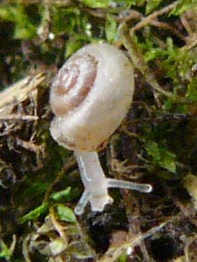
Smooth Grass Snail
VUVallonia pulchella

Smooth Hornwort
ENPhaeoceros laevis
Smooth Map Lichen
VURhizocarpon hochstetteri
Smooth-Coated Elaphomyces
VUElaphomyces anthracinus

Smoothleaf Elm
CRUlmus minor
Smoothleaf Elm faces severe population declines primarily due to Dutch elm disease, a devastating fungal infection spread by bark beetles that has decimated elm populations across Europe and North America. Habitat loss from urbanization and agricultural expansion, combined with climate change impacts, further threaten remaining populations of this once-common species.

smultronsvecklare
VUClepsis neglectana
snabelsporlav
CRCelothelium ischnobelum
Celothelium ischnobelum faces severe threats from habitat destruction due to deforestation and urban development in its limited range. The species' highly specialized substrate requirements and sensitivity to air pollution make it particularly vulnerable to environmental changes. Climate change is altering the microclimatic conditions necessary for this lichen's survival.
snavelzeggeplatvoetje
ENPlatycheirus perpallidus

snedfläckig strömvapenfluga
VUOxycera meigenii
snipfibbla
CRHieracium mucrodentatum
Hieracium mucrodentatum faces severe population declines due to habitat loss from agricultural expansion and urban development in its limited range. The species' specialized ecological requirements and small, fragmented populations make it extremely vulnerable to environmental changes and human disturbance.
Snow Brook-moss
VUHygrohypnum styriacum

snowbed sedge
VUCarex rufina
snowbed whitlow-grass
ENDraba crassifolia