
Southern Hill Toad
Duttaphrynus microtympanum
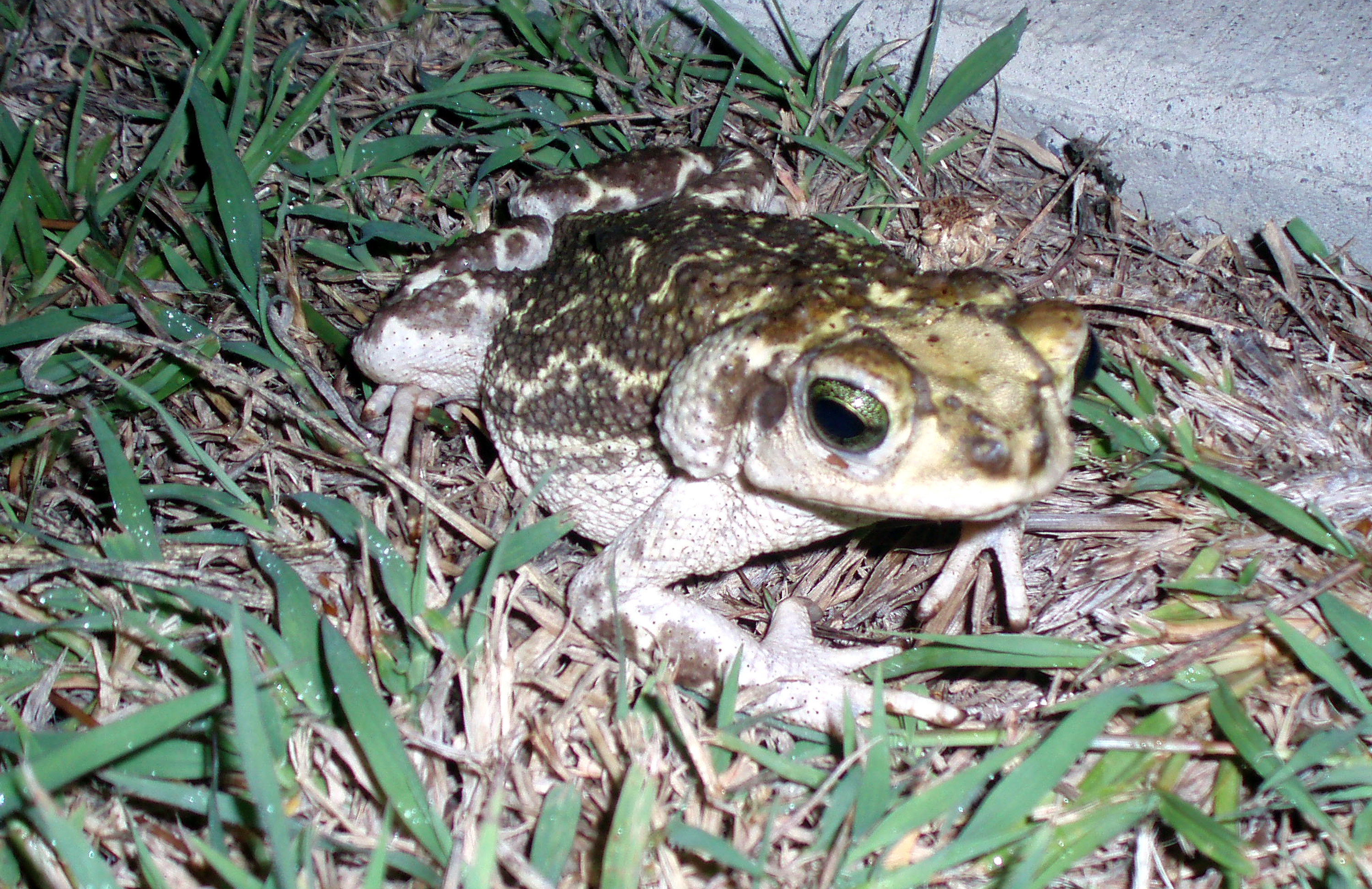
Photo: Wikimedia Commons (CC) via https://en.wikipedia.org/wiki/Duttaphrynus_microtympanum
Overview
The Southern Hill Toad is a medium-sized amphibian characterized by its distinctive small tympanum (eardrum) that gives the species its scientific name. Adults typically display warty, brownish skin with darker markings that provide effective camouflage among leaf litter and rocky surfaces. These nocturnal toads are primarily terrestrial, emerging at night to feed on insects and other small invertebrates.
As both predator and prey, they play a crucial role in maintaining ecological balance within their forest ecosystems.
This species inhabits montane and submontane forests across South and Southeast Asia, with confirmed populations in India, Sri Lanka, Nepal, and Vietnam. They prefer humid, forested environments at moderate elevations, typically found near streams and in areas with dense vegetation cover that provides adequate moisture and shelter.
The Southern Hill Toad faces mounting pressure from habitat destruction due to deforestation, agricultural expansion, and urban development throughout its range. Climate change poses additional threats by altering precipitation patterns and temperature regimes critical for breeding success. The species' dependence on specific microhabitat conditions makes it particularly vulnerable to environmental changes.
Conservation efforts remain limited, with most protection occurring indirectly through existing protected area networks within the species' range. Research initiatives are ongoing to better understand population dynamics and habitat requirements, though comprehensive surveys across all range countries are lacking.
The species' current trajectory remains uncertain due to insufficient population monitoring data, though continued habitat loss suggests ongoing decline pressures across much of its range.
The Southern Hill Toad faces significant population declines primarily due to habitat loss from agricultural expansion and urbanization in its limited range in the Western Ghats of India. Additional pressures from climate change and potential disease outbreaks further threaten this endemic species with its restricted distribution.
Other threatened species in Bufonidae


Threatened in India


Frequently asked questions
Why is Southern Hill Toad classified as Vulnerable?
Where does Southern Hill Toad live?
What are the main threats to Southern Hill Toad?
Get weekly conservation intelligence
One short digest a week of the most striking species and country data we ship, plus breaking conservation news paired with our database where it matters.
Free, no spam. One-click unsubscribe in every email.