Acritus homoeopathicus
Overview
A detailed profile for this species is sourced from the IUCN Red List of Threatened Species as assessments become available.
The sotstumpbagge faces severe population declines due to widespread habitat destruction from agricultural expansion and urban development across its limited range. Climate change is altering the specific microhabitat conditions this species requires, while invasive species compete for resources and disrupt established ecological relationships.
Habitat
Occupies specialized microhabitats in temperate deciduous forests with dense understory vegetation and high moisture retention, typically found in forest floor leaf litter and decaying organic matter between 200-800m elevation. Requires specific soil chemistry conditions and association with particular fungal communities.
Other threatened species in Histeridae
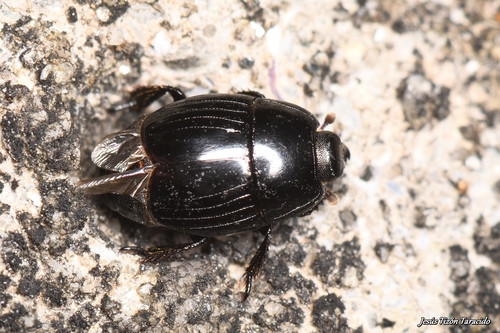
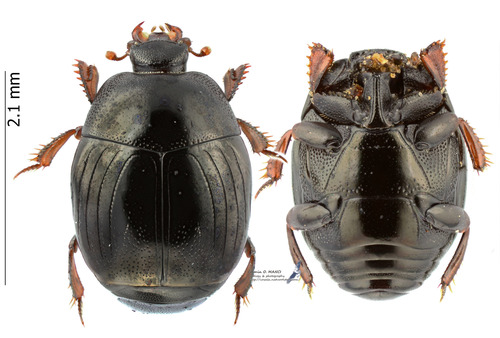
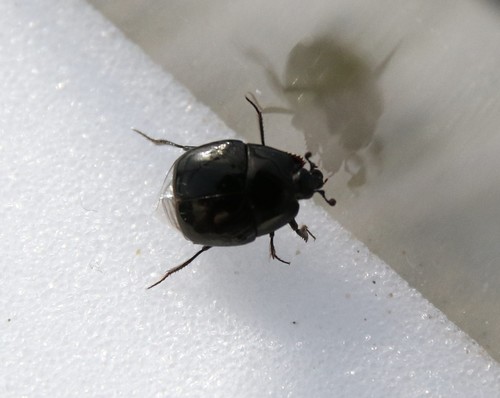
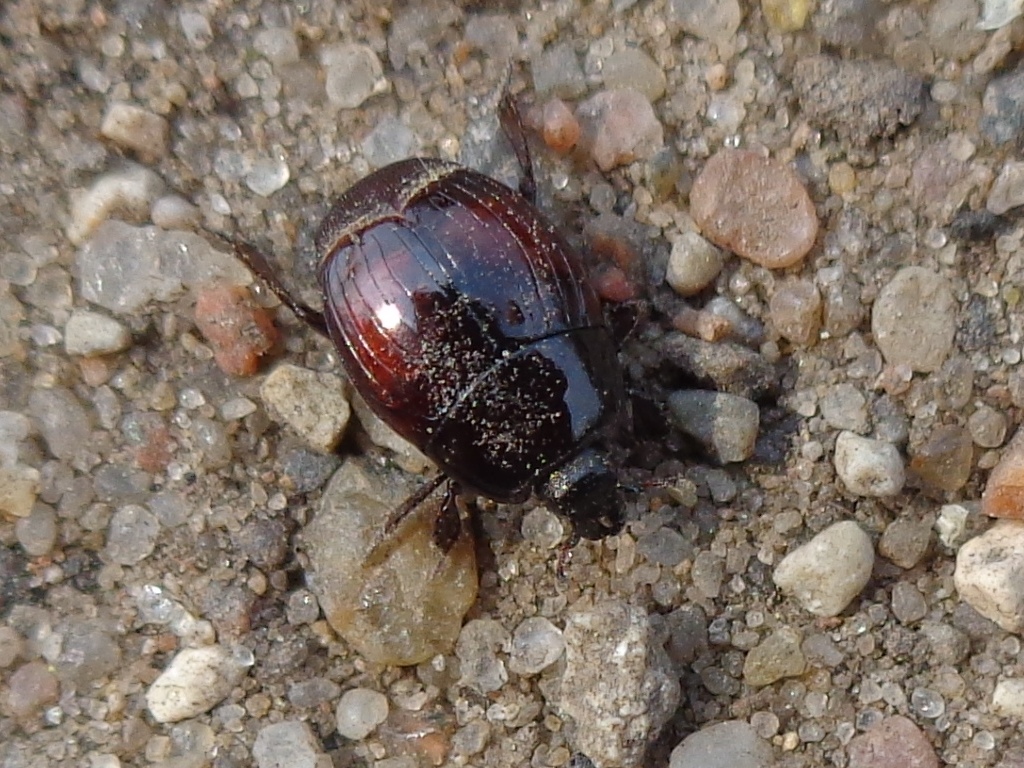
Threatened in Austria
Frequently asked questions
Why is Acritus homoeopathicus classified as Critically Endangered?
Where does Acritus homoeopathicus live?
What are the main threats to Acritus homoeopathicus?
Get weekly conservation intelligence
One short digest a week of the most striking species and country data we ship, plus breaking conservation news paired with our database where it matters.
Free, no spam. One-click unsubscribe in every email.