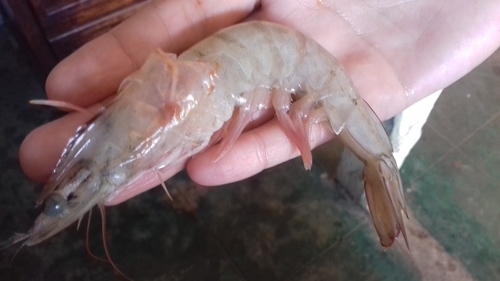
southern white shrimp
Penaeus schmitti
Overview
A detailed profile for this species is sourced from the IUCN Red List of Threatened Species as assessments become available.
Southern white shrimp populations face severe pressure from intensive commercial trawling operations throughout their range, with overfishing representing the primary threat to the species. Coastal development and pollution in estuarine nursery areas have degraded critical juvenile habitat, while climate change is altering water temperatures and salinity levels that affect reproductive success and larval survival.
Habitat
Southern white shrimp inhabit shallow coastal waters, estuaries, and lagoons along the western Atlantic coast from North Carolina to Brazil. Juveniles depend on protected estuarine nursery areas with muddy or sandy bottoms, while adults move to deeper offshore waters for reproduction.
Other threatened species in Penaeidae
Threatened in Belize
Frequently asked questions
Why is southern white shrimp classified as Vulnerable?
Where does southern white shrimp live?
What are the main threats to southern white shrimp?
Get weekly conservation intelligence
One short digest a week of the most striking species and country data we ship, plus breaking conservation news paired with our database where it matters.
Free, no spam. One-click unsubscribe in every email.