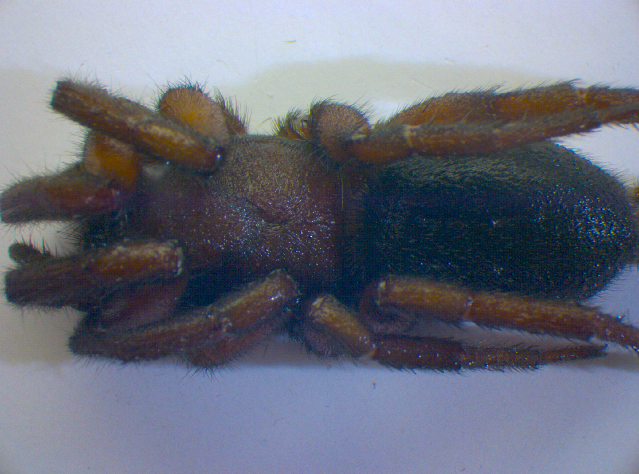
Gnaphosa lucifuga
Photo: Wikimedia Commons (CC) via https://en.wikipedia.org/wiki/Gnaphosa_lucifuga
Overview
Gnaphosa lucifuga is a ground spider species with Palearctic distribution.
Gnaphosa lucifuga faces severe population declines due to habitat destruction and degradation of its specialized cave and underground environments. Human activities including cave disturbance, mining operations, and groundwater pollution have significantly reduced available habitat, while the species' limited dispersal ability makes population recovery extremely difficult.
Habitat
This species inhabits caves, underground cavities, cellars, and other dark subterranean environments, typically in areas with stable temperature and humidity conditions. It shows a strong preference for deep cave zones and artificial underground structures that mimic natural cave conditions.
Other threatened species in Gnaphosidae
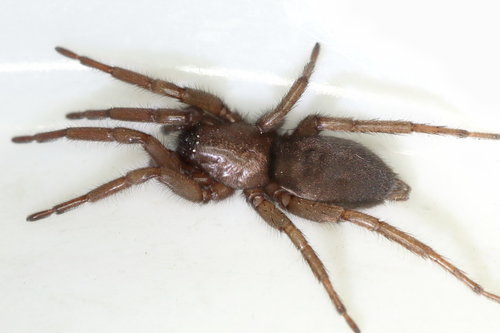
Threatened in Afghanistan

Frequently asked questions
Why is Gnaphosa lucifuga classified as Critically Endangered?
Where does Gnaphosa lucifuga live?
What are the main threats to Gnaphosa lucifuga?
Get weekly conservation intelligence
One short digest a week of the most striking species and country data we ship, plus breaking conservation news paired with our database where it matters.
Free, no spam. One-click unsubscribe in every email.