Melanomphalia nigrescens
Overview
A detailed profile for this species is sourced from the IUCN Red List of Threatened Species as assessments become available.
Melanomphalia nigrescens faces significant pressure from habitat degradation in its specialized limestone cave and karst environments. Agricultural intensification and urban development in surrounding areas have altered water chemistry and sediment flows into cave systems. Tourism and recreational caving activities pose additional disturbance risks to this sensitive gastropod's microhabitat requirements.
Habitat
This species inhabits specialized limestone cave environments and associated karst formations, requiring specific moisture and temperature conditions found in underground ecosystems. It typically occurs in cave entrance zones and deeper chambers where stable microclimatic conditions support its ecological requirements.
Other threatened species in Tricholomataceae
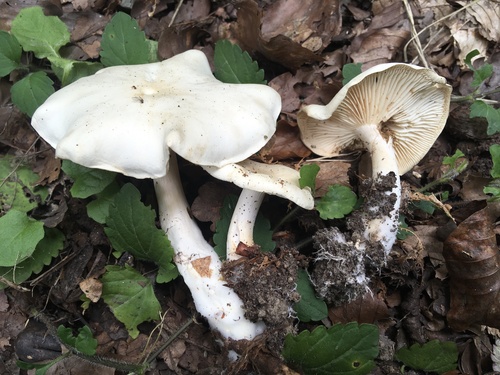


Threatened in Denmark

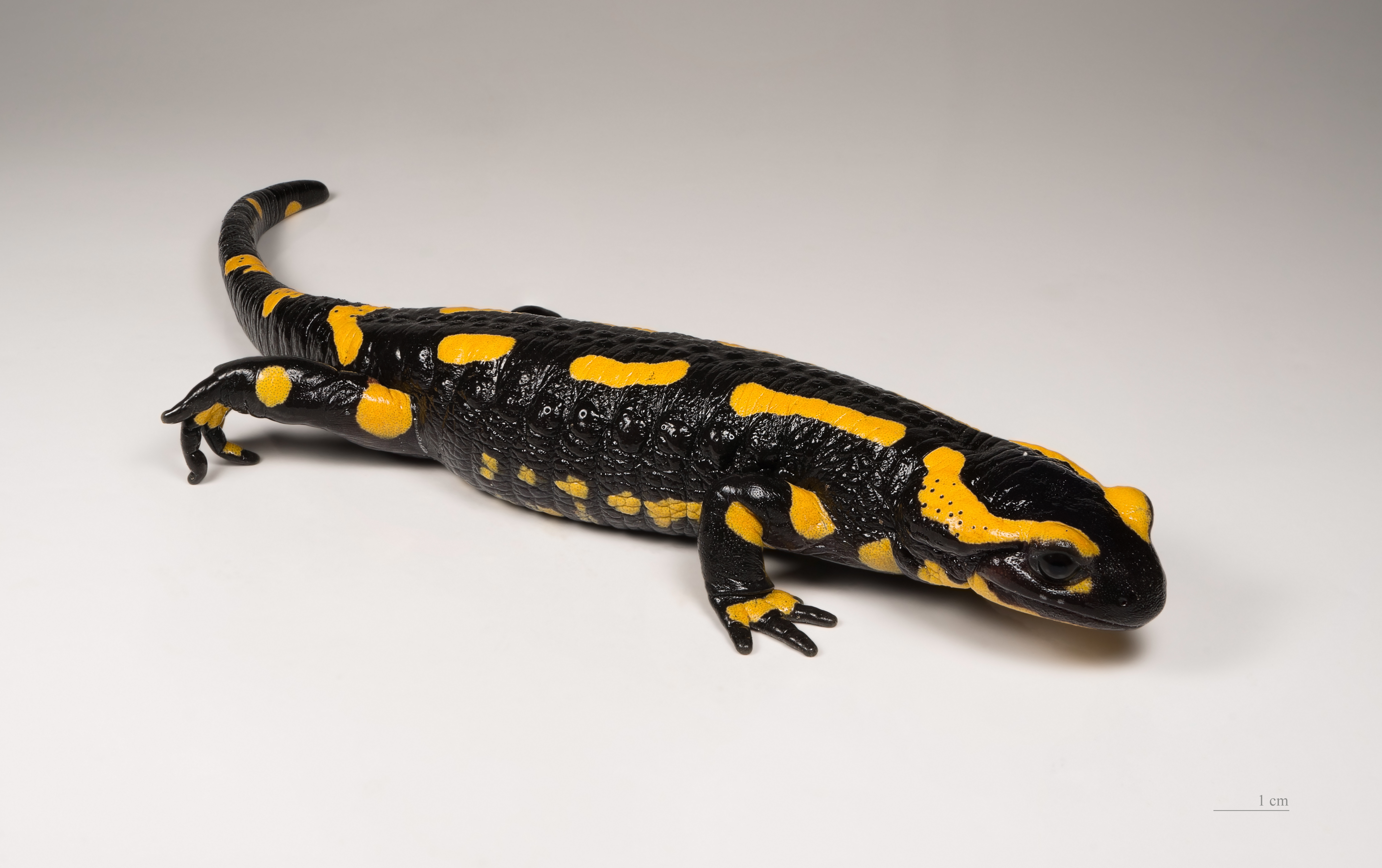
Frequently asked questions
Why is Melanomphalia nigrescens classified as Vulnerable?
Where does Melanomphalia nigrescens live?
What are the main threats to Melanomphalia nigrescens?
Get weekly conservation intelligence
One short digest a week of the most striking species and country data we ship, plus breaking conservation news paired with our database where it matters.
Free, no spam. One-click unsubscribe in every email.