
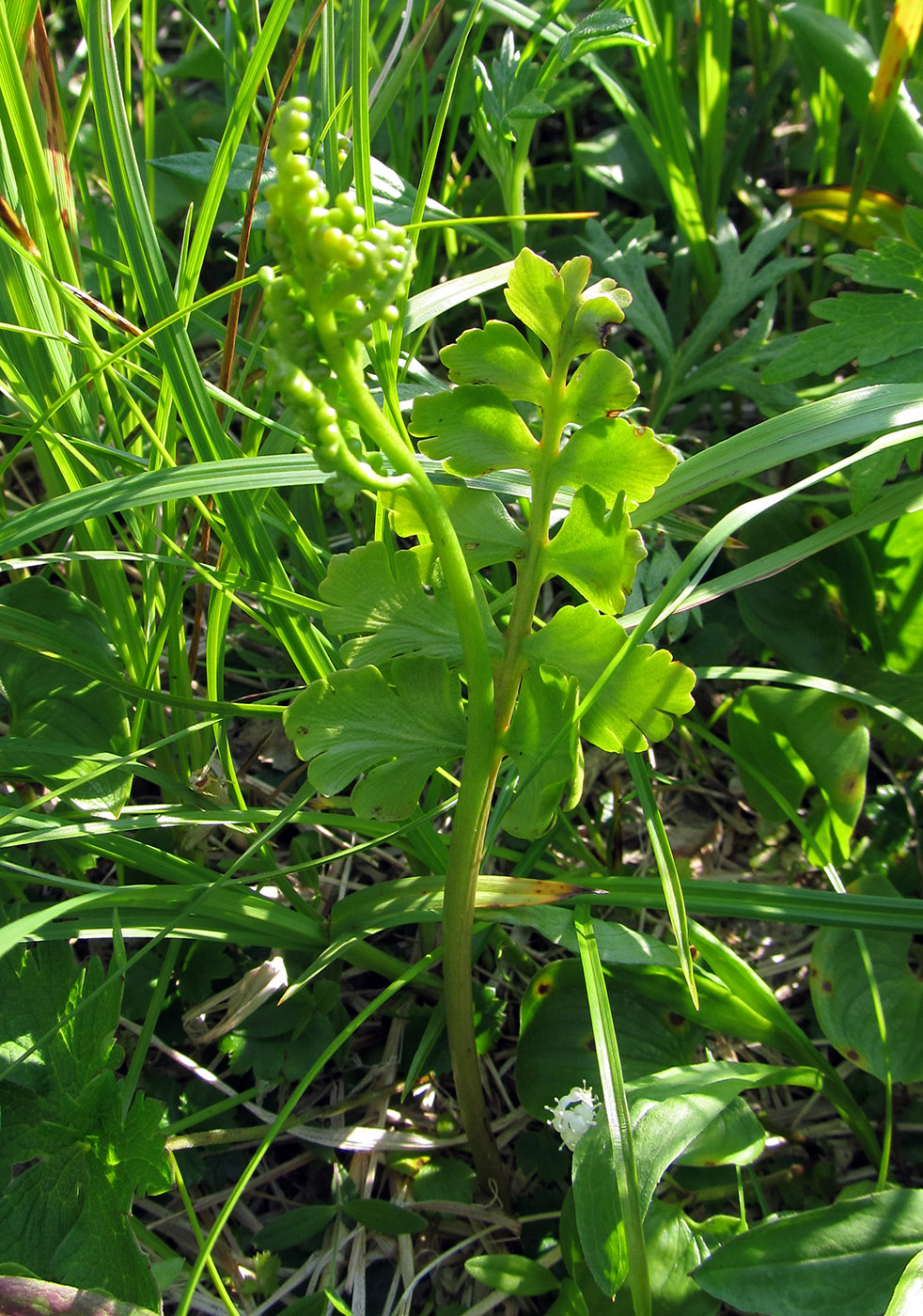
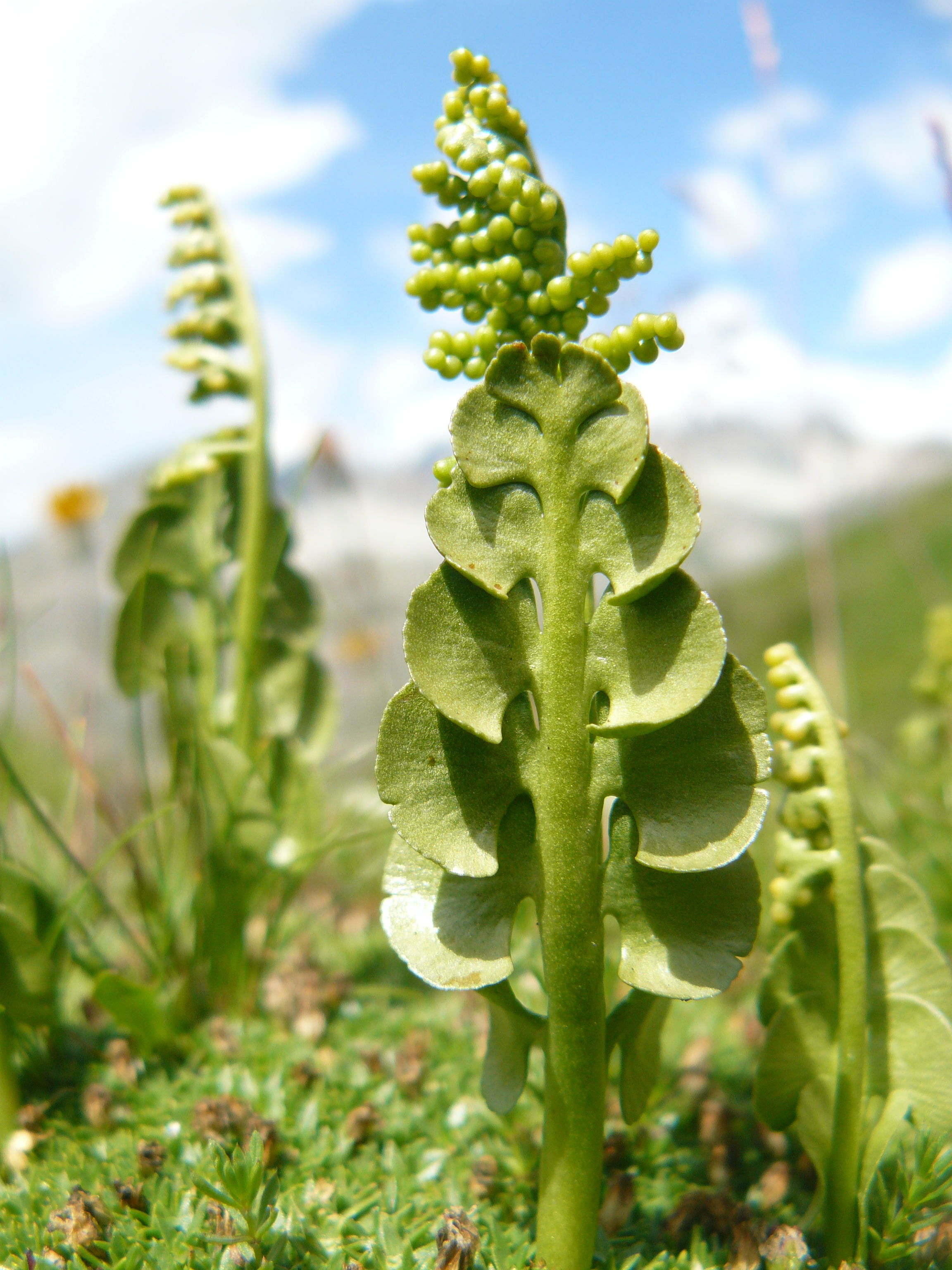
Adder's Tongue
Ophioglossum vulgatum
Photo: Wikimedia Commons (CC) via https://en.wikipedia.org/wiki/Ophioglossum_vulgatum
Overview
A detailed profile for this species is sourced from the IUCN Red List of Threatened Species as assessments become available.
The Southern Adder's Tongue faces severe population declines primarily due to agricultural intensification and grassland conversion, which destroys the specific soil conditions and mycorrhizal relationships this species requires. Habitat fragmentation has isolated remaining populations, reducing genetic diversity and limiting natural dispersal. Urban development and infrastructure projects continue to eliminate suitable sites, while changes in grazing patterns and land management practices alter the delicate ecological balance needed for successful reproduction.
Habitat
Southern Adder's Tongue inhabits nutrient-poor grasslands, chalk downs, and limestone pavements, typically in areas with short turf and minimal soil disturbance. The species requires specific mycorrhizal fungal associations and thrives in traditional pastures, old meadows, and calcareous soils with consistent moisture levels.
Other threatened species in Ophioglossaceae


Frequently asked questions
Why is Adder's Tongue classified as Vulnerable?
Where does Adder's Tongue live?
What are the main threats to Adder's Tongue?
Get weekly conservation intelligence
One short digest a week of the most striking species and country data we ship, plus breaking conservation news paired with our database where it matters.
Free, no spam. One-click unsubscribe in every email.