
Southern Comma
Polygonia egea
Photo: Wikimedia Commons (CC) via https://en.wikipedia.org/wiki/Polygonia_egea
Overview
The Southern Comma is a medium-sized butterfly belonging to the Nymphalidae family, characterized by its distinctive orange-brown wings with dark spots and irregular, jagged wing edges that give the species its common name. The underwings display cryptic brown coloration with a small white comma-shaped mark, providing effective camouflage when at rest. Adults typically measure 45-50mm in wingspan and exhibit strong territorial behavior, with males establishing perching sites to intercept potential mates.
This species occupies a remarkably broad geographic range extending from Western Europe through the Mediterranean basin to Central Asia, including populations across 34 countries from Spain to Kyrgyzstan. Southern Commas inhabit diverse environments including woodland edges, scrubland, rocky hillsides, and urban gardens, typically at elevations up to 2,000 meters. The larvae feed primarily on nettle species (Urtica) and occasionally elm trees.
Despite its extensive range, the Southern Comma is classified as Vulnerable by the IUCN, though specific threat assessments remain incomplete. The species likely faces pressure from habitat fragmentation, urbanization, and climate change affecting its host plants and suitable breeding sites. Agricultural intensification may also impact populations through reduced availability of wild nettle patches.
Current conservation efforts are limited, with most protection occurring incidentally through general habitat preservation measures rather than species-specific programs. The lack of comprehensive population monitoring across its range hampers targeted conservation planning.
The Southern Comma's outlook remains uncertain due to insufficient population data and threat assessment. While its broad distribution provides some resilience, the Vulnerable status indicates declining trends that require further investigation and monitoring to prevent future deterioration.
The Southern Comma butterfly faces significant population declines primarily due to habitat loss and fragmentation from agricultural expansion and urban development across its range. Climate change is altering the distribution and phenology of its host plants, while increased frequency of extreme weather events disrupts breeding cycles and reduces survival rates.
Other threatened species in Nymphalidae
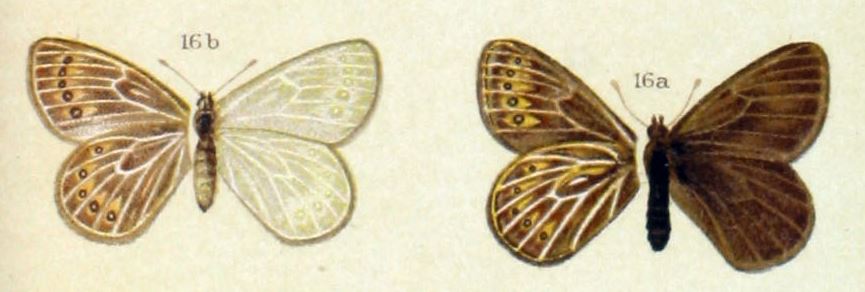


Threatened in Afghanistan

Frequently asked questions
Why is Southern Comma classified as Vulnerable?
Where does Southern Comma live?
What are the main threats to Southern Comma?
Get weekly conservation intelligence
One short digest a week of the most striking species and country data we ship, plus breaking conservation news paired with our database where it matters.
Free, no spam. One-click unsubscribe in every email.