Species Explorer
Browse and search species from the IUCN Red List and GBIF.
54,666 species
Russule versatile
VURussula versatilis

Russule violacée
ENRussula violacea
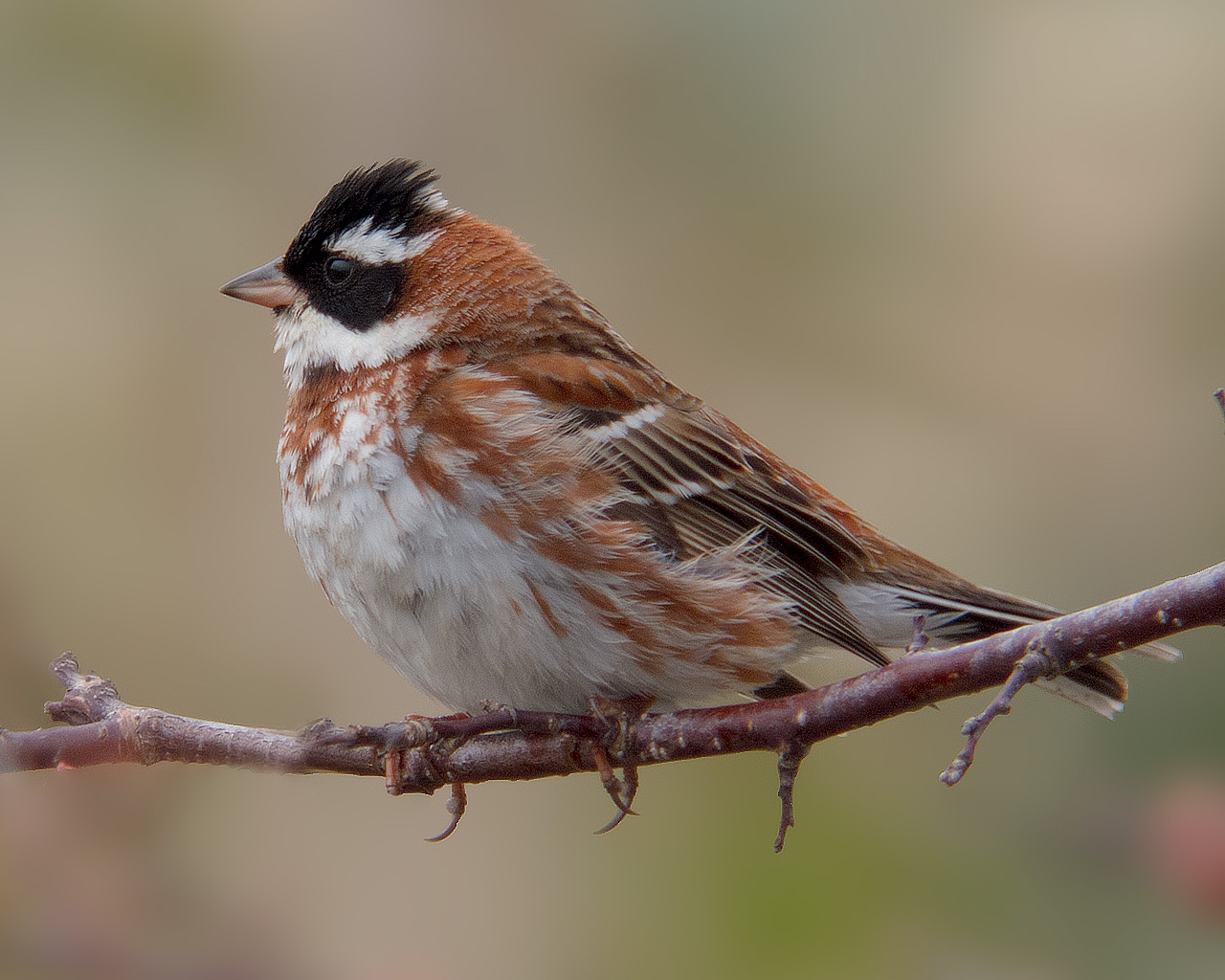
Rustic Bunting
VUEmberiza rustica
The Rustic Bunting has experienced severe population declines across its range, with breeding populations in Europe and Asia declining by over 90% in recent decades. The primary drivers of decline include habitat loss from agricultural intensification and forest management changes in breeding areas, as well as trapping pressure and habitat degradation in wintering grounds in Southeast Asia.

Rusty Firedot Lichen
CRBlastenia ferruginea
Rusty Firedot Lichen faces severe threats from air pollution, particularly nitrogen deposition and sulfur compounds, which dramatically alter the chemical composition of its substrate and surrounding environment. Habitat loss through urbanization and industrial development has eliminated many suitable rock surfaces and old-growth forest sites where this species historically occurred. Climate change is creating increasingly unsuitable conditions through altered precipitation patterns and temperature extremes that disrupt the delicate moisture balance required for lichen survival.
Rusty Hook-moss
ENScorpidium revolvens
rusty swordfern
ENPolystichum echinatum

Rusty-faced Parrot
VUHapalopsittaca amazonina

Rusty-headed Spinetail
VUSynallaxis fuscorufa

Rusty-throated Wren-babbler
VUSpelaeornis badeigularis
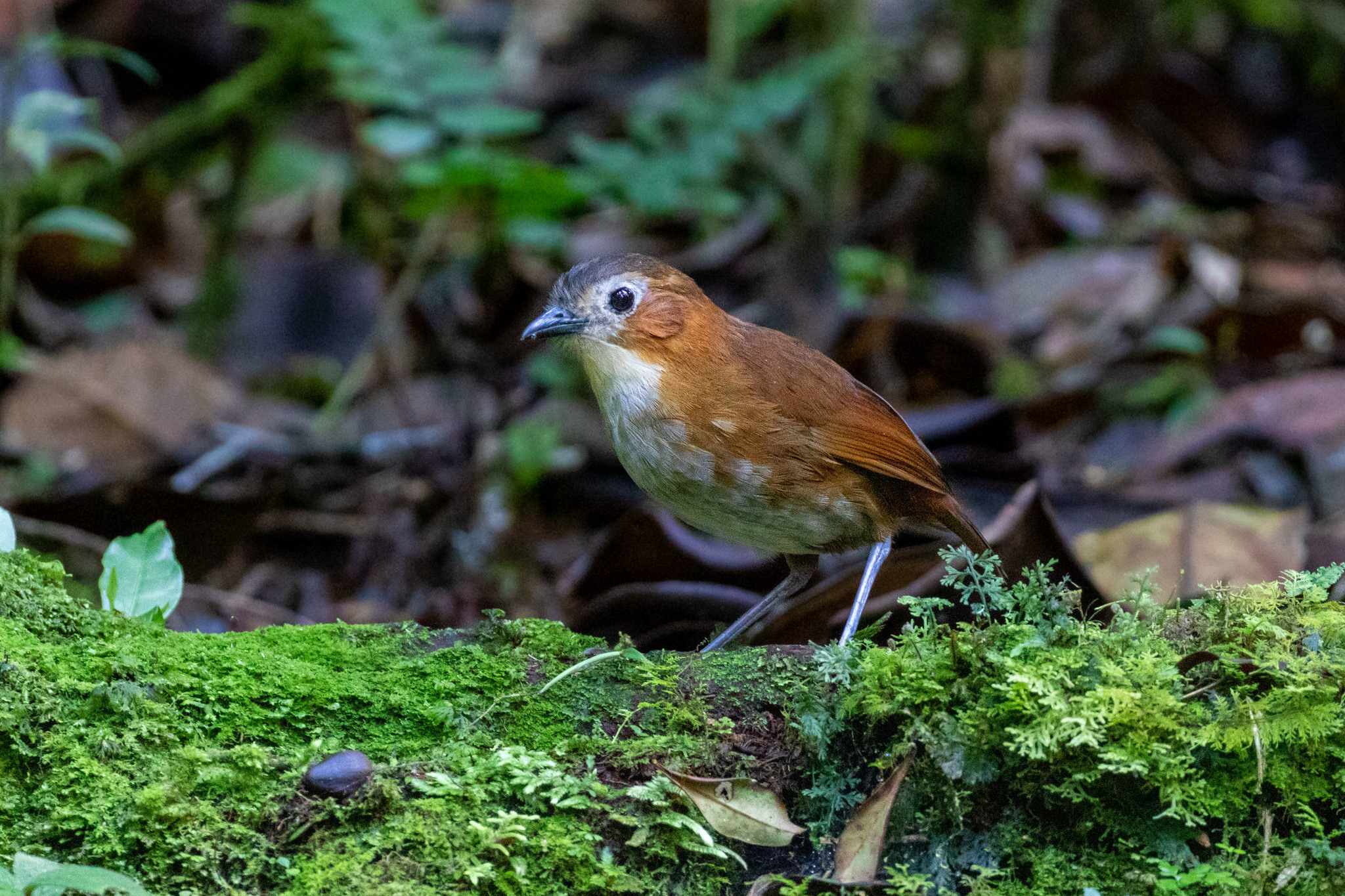
Rusty-tinged Antpitta
VUGrallaria przewalskii

Rustyback
CRAsplenium ceterach
Rustyback fern faces severe threats from habitat destruction due to urbanization and quarrying of limestone cliffs and walls where it grows. Climate change poses additional risks through altered precipitation patterns and increased drought stress, while air pollution from urban and industrial sources degrades the specialized microhabitats this species requires.
Ruthven's Anadia
VUAnadia pulchella
Ruthven's Robber Frog
ENPristimantis ruthveni
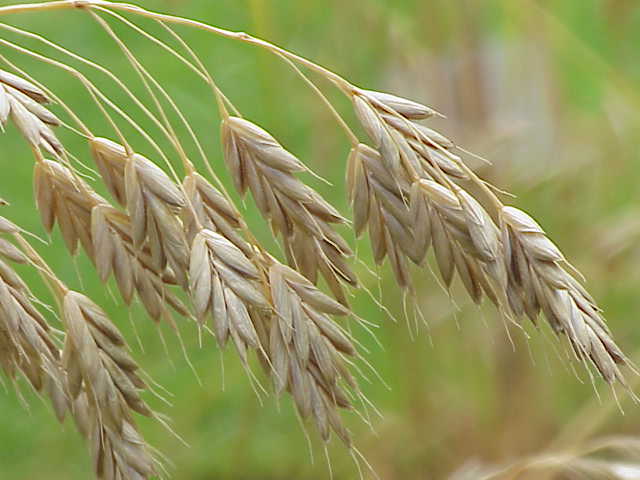
Rye Brone
ENBromus secalinus
Saalas barkborre
VUPityogenes saalasi

saaristokiiluri
ENDolichopus sabinus
Sabah kapur
ENDryobalanops beccarii

Sábalo macho
VUSalminus affinis
sabelkardarspindel
VUBrommella falcigera

sabelmyra
CRStrongylognathus testaceus
Strongylognathus testaceus faces severe population declines due to habitat destruction and fragmentation of its specialized nesting sites. As a slave-making ant species with highly specific ecological requirements, it is particularly vulnerable to environmental changes that disrupt both its own colonies and those of its host species. The species' limited dispersal ability and dependence on specific host ant populations make recovery extremely difficult once local extinctions occur.

Sabiá
VUMimosa caesalpiniifolia

Saffron-headed Parrot
VUPionopsitta pyrilia
sågfibbla
VUHieracium neoserratifrons
Saiga
CRSaiga tatarica
The Saiga faces severe threats from illegal hunting for its horns, which are highly valued in traditional medicine, leading to dramatic population declines. Habitat loss from agricultural expansion and infrastructure development, combined with climate change impacts on grassland ecosystems, further threaten remaining populations. Disease outbreaks have also caused catastrophic mortality events in recent years.

Sailfin pimeloid
VULeiarius marmoratus
Sainfoin Piercer
VUGrapholita caecana

Saint George Island Gecko
VUAristelliger georgeensis

sakat
VUTerminalia nitens
saksische fopwesp
CRChrysotoxum verralli
The saksische fopwesp faces severe threats from habitat loss caused by agricultural expansion and urban development that have destroyed much of its specialized sandy heathland habitat. Changes in traditional land management practices, particularly the decline of extensive grazing, have allowed vegetation to become too dense for the species' requirements. Climate change may further disrupt the complex ecological relationships this species depends on for survival.
Sakucha
VUCynometra webberi
sala’i, sala’i sili
CRZanthoxylum ekmanii
Zanthoxylum ekmanii faces severe threats from habitat destruction due to deforestation, agricultural expansion, and urban development across its limited range in the Caribbean. The species' restricted distribution makes it particularly vulnerable to localized threats, while climate change poses additional risks to its specialized habitat requirements.
salemfibbla
CRHieracium toerense
Hieracium toerense faces severe threats from habitat degradation and extremely limited distribution in specialized alpine environments. The species is highly vulnerable to climate change impacts on high-altitude ecosystems, combined with grazing pressure and potential genetic bottlenecks due to small, isolated populations.
sälgtagging
VUDeviodontia pilaecystidiata

Sallow Clearwing
VUSynanthedon flaviventris

Salted Ruffle Lichen
VUParmotrema crinitum
Saltern Bent-wing
ENBucculatrix maritima

Saltern Dwarf
VUElachista scirpi

Saltern Marble
VUBactra robustana

Saltern Neb, Milkwort Borer
ENMonochroa tetragonella
sältingssmåstävmal
ENScrobipalpa stangei

saltmarsh flat-sedge
VUBlysmus rufus
Saltmarsh Short-spur
CRAnisodactylus poeciloides
The Saltmarsh Short-spur faces severe threats from coastal habitat destruction and sea-level rise, which are rapidly eliminating the specialized saltmarsh ecosystems it depends upon. Urban development, agricultural conversion, and climate change-induced flooding are fragmenting remaining populations across its limited range.
saltmaskros
CRTaraxacum rubrisquameum
Taraxacum rubrisquameum faces severe threats from habitat degradation and fragmentation of its specialized alpine environments. Climate change poses an additional critical risk as warming temperatures force this cold-adapted species to retreat to increasingly limited high-elevation refugia. The species' restricted range and small population size make it particularly vulnerable to environmental changes and human disturbance.

Salvadori's Antwren
VUMyrmotherula minor
Salvia de Cuba
CRVerbesina angulata
Verbesina angulata faces severe threats from habitat destruction and fragmentation due to agricultural expansion and urban development across its limited range. The species' restricted distribution makes it particularly vulnerable to localized threats, while climate change poses additional risks to its specialized habitat requirements.
Salzwanderzirpe
VUMacrosteles sordidipennis
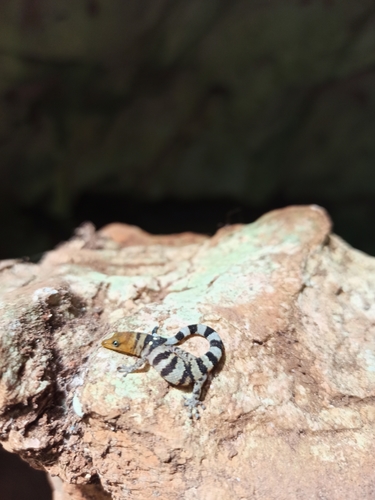
Samana Least Gecko
CRSphaerodactylus samanensis
The Samana Least Gecko faces severe threats from habitat destruction and fragmentation due to agricultural expansion, urban development, and tourism infrastructure in its limited range on the Samaná Peninsula of the Dominican Republic. Its extremely restricted distribution makes the species highly vulnerable to local extinctions from environmental changes and human activities.
Samoan White-eye
VUZosterops samoensis
San Jose White-lipped Frog
CRLeptodactylus stenodema
The San Jose White-lipped Frog faces severe threats from habitat destruction due to urban expansion and agricultural conversion in its limited range around San José, Costa Rica. Its restricted distribution makes it extremely vulnerable to local environmental changes, while pollution from urban runoff and pesticides further degrades its aquatic breeding habitats.
Sand Amber Snail
CRQuickella arenaria
The Sand Amber Snail faces severe threats from coastal development and habitat destruction, which have dramatically reduced its specialized sandy habitat along shorelines. Climate change-induced sea level rise and increased storm intensity further threaten the remaining fragmented populations by altering coastal dynamics and destroying critical breeding areas.