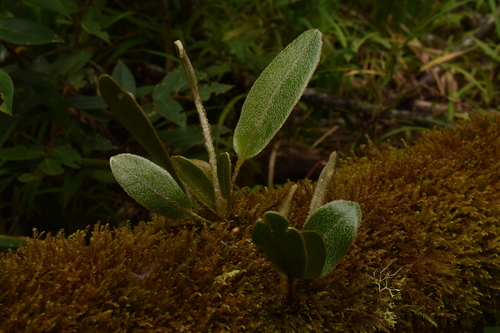
Rusty sword fern
Polystichum echinatum
Overview
A detailed profile for this species is sourced from the IUCN Red List of Threatened Species as assessments become available.
The rusty swordfern faces severe habitat degradation from logging and agricultural conversion throughout its limited range in the Pacific Northwest. Urban development and recreational activities in forested areas have fragmented remaining populations, while climate change threatens the cool, moist conditions this species requires. Invasive plant species compete for resources in disturbed habitats, further reducing suitable growing sites.
Habitat
Polystichum echinatum inhabits moist, shaded understory environments in old-growth and mature coniferous forests, typically growing on rocky slopes, stream banks, and forest floors with rich organic soils. The species requires consistently cool, humid microclimates with filtered sunlight and protection from direct exposure.
Other threatened species in Dryopteridaceae
Frequently asked questions
Why is Rusty sword fern classified as Endangered?
Where does Rusty sword fern live?
What are the main threats to Rusty sword fern?
Get weekly conservation intelligence
One short digest a week of the most striking species and country data we ship, plus breaking conservation news paired with our database where it matters.
Free, no spam. One-click unsubscribe in every email.