
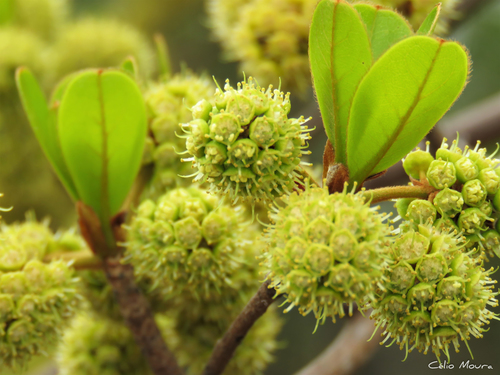
Terminalia nitens
Photo: Wikimedia Commons (CC) via https://en.wikipedia.org/wiki/Terminalia_nitens
Overview
A detailed profile for this species is sourced from the IUCN Red List of Threatened Species as assessments become available.
Terminalia nitens faces severe pressure from deforestation and agricultural expansion across its native range in West and Central Africa. Logging operations target this valuable timber species for its durable hardwood, while slash-and-burn agriculture continues to fragment remaining forest habitats. Climate change compounds these pressures by altering rainfall patterns critical for regeneration in already stressed populations.
Habitat
Sakat occurs in tropical moist forests and woodland savannas across West and Central Africa, typically in areas with well-drained soils and annual rainfall between 1,000-2,000mm. The species shows preference for forest edges and secondary growth areas, making it particularly vulnerable to human encroachment.
Other threatened species in Combretaceae
Frequently asked questions
Why is Terminalia nitens classified as Vulnerable?
Where does Terminalia nitens live?
What are the main threats to Terminalia nitens?
Get weekly conservation intelligence
One short digest a week of the most striking species and country data we ship, plus breaking conservation news paired with our database where it matters.
Free, no spam. One-click unsubscribe in every email.