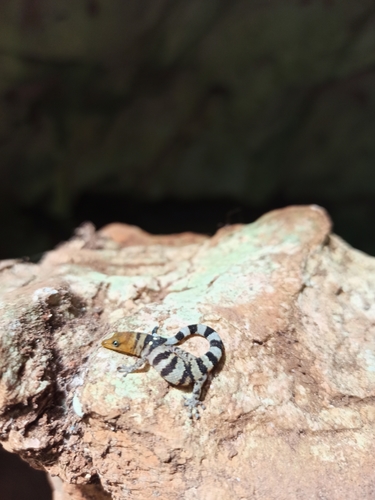
Samana Least Gecko
Sphaerodactylus samanensis
Photo: (c) Daniel Aurelio Reyes, all rights reserved, uploaded by Daniel Aurelio Reyes
Overview
A detailed profile for this species is sourced from the IUCN Red List of Threatened Species as assessments become available.
The Samana Least Gecko faces severe threats from habitat destruction and fragmentation due to agricultural expansion, urban development, and tourism infrastructure in its limited range on the Samaná Peninsula of the Dominican Republic. Its extremely restricted distribution makes the species highly vulnerable to local extinctions from environmental changes and human activities.
Habitat
Endemic to dry forests, scrublands, and rocky outcrops on the Samaná Peninsula in the Dominican Republic. The species occupies limestone karst formations and associated vegetation at low to moderate elevations.
Other threatened species in Sphaerodactylidae


Frequently asked questions
Why is Samana Least Gecko classified as Critically Endangered?
Where does Samana Least Gecko live?
What are the main threats to Samana Least Gecko?
Get weekly conservation intelligence
One short digest a week of the most striking species and country data we ship, plus breaking conservation news paired with our database where it matters.
Free, no spam. One-click unsubscribe in every email.