Species Explorer
Browse and search species from the IUCN Red List and GBIF.
54,666 species

Ruddy Duck
VUOxyura jamaicensis

Ruddy Flat-body
ENAgonopterix subpropinquella
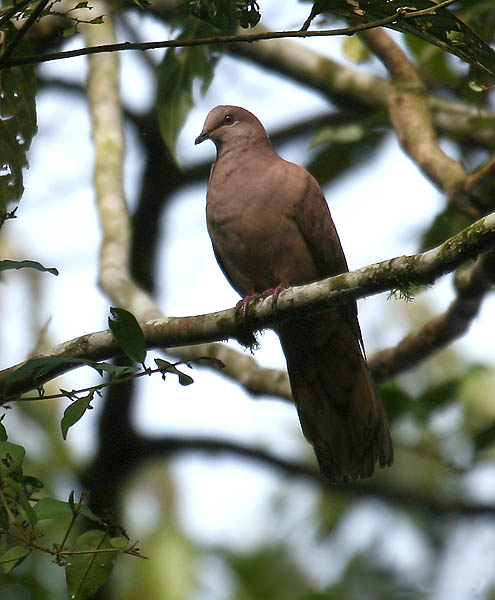
Ruddy Pigeon
VUPatagioenas subvinacea

Rueda's Anole
VUAnolis maculigula
Rufescent Sharp-tail Bee
VUCoelioxys rufescens
Ruffled Freckled Pelt Lichen
CRPeltigera leucophlebia
The Ruffled Freckled Pelt Lichen faces severe threats from air pollution, particularly nitrogen deposition and sulfur compounds that alter its sensitive epiphytic habitat. Habitat loss through deforestation and urban development has eliminated many suitable host trees, while climate change is shifting precipitation patterns and temperature regimes beyond the species' tolerance limits.
Rufous Beard-moss
VUBryoerythrophyllum ferruginascens
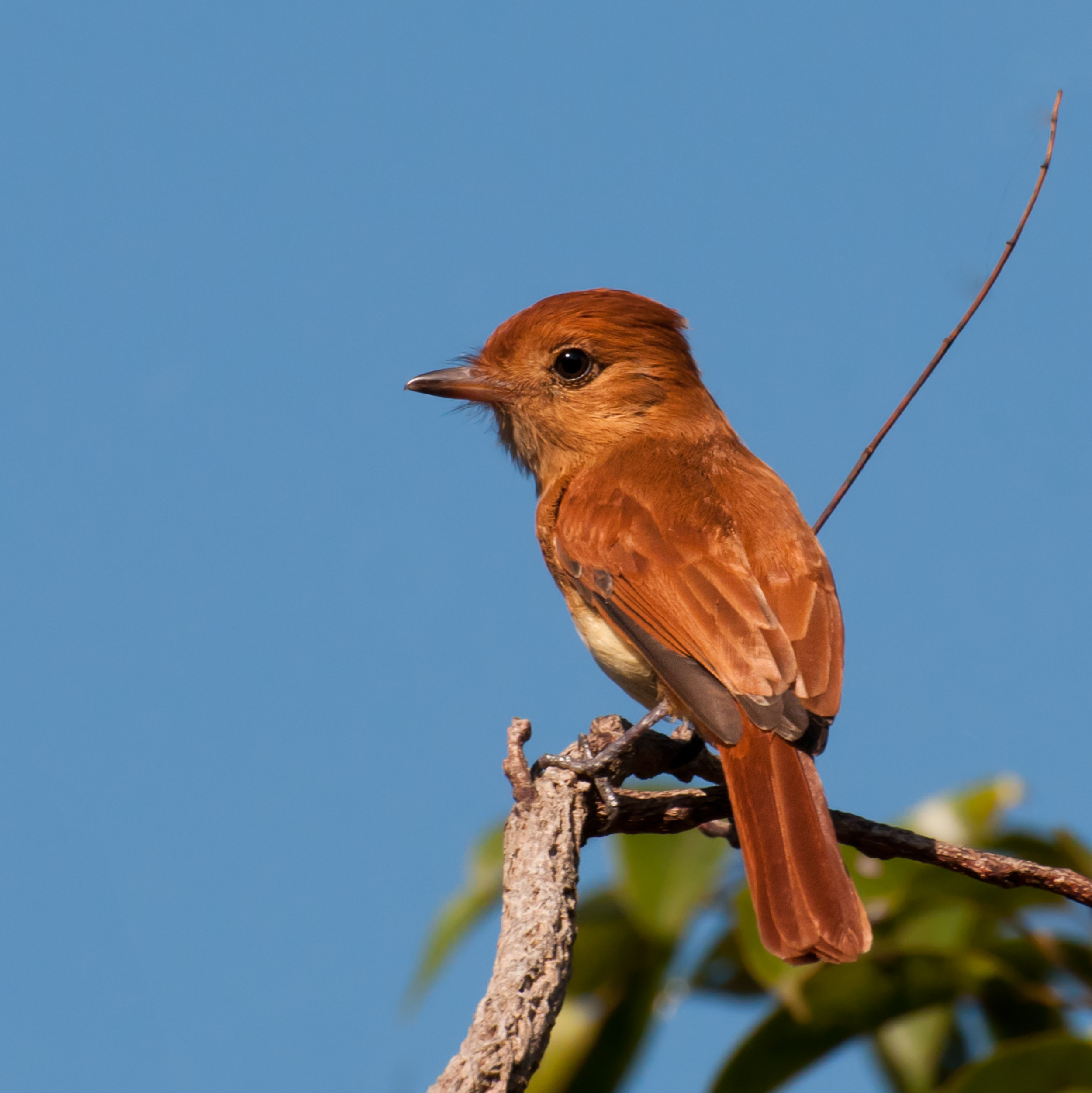
Rufous Casiornis
VUCasiornis rufus
Rufous False Cocaine
VUErythroxylum rufum

Rufous Mouse Opossum
VUMarmosa lepida

Rufous Piha
VULipaugus unirufus
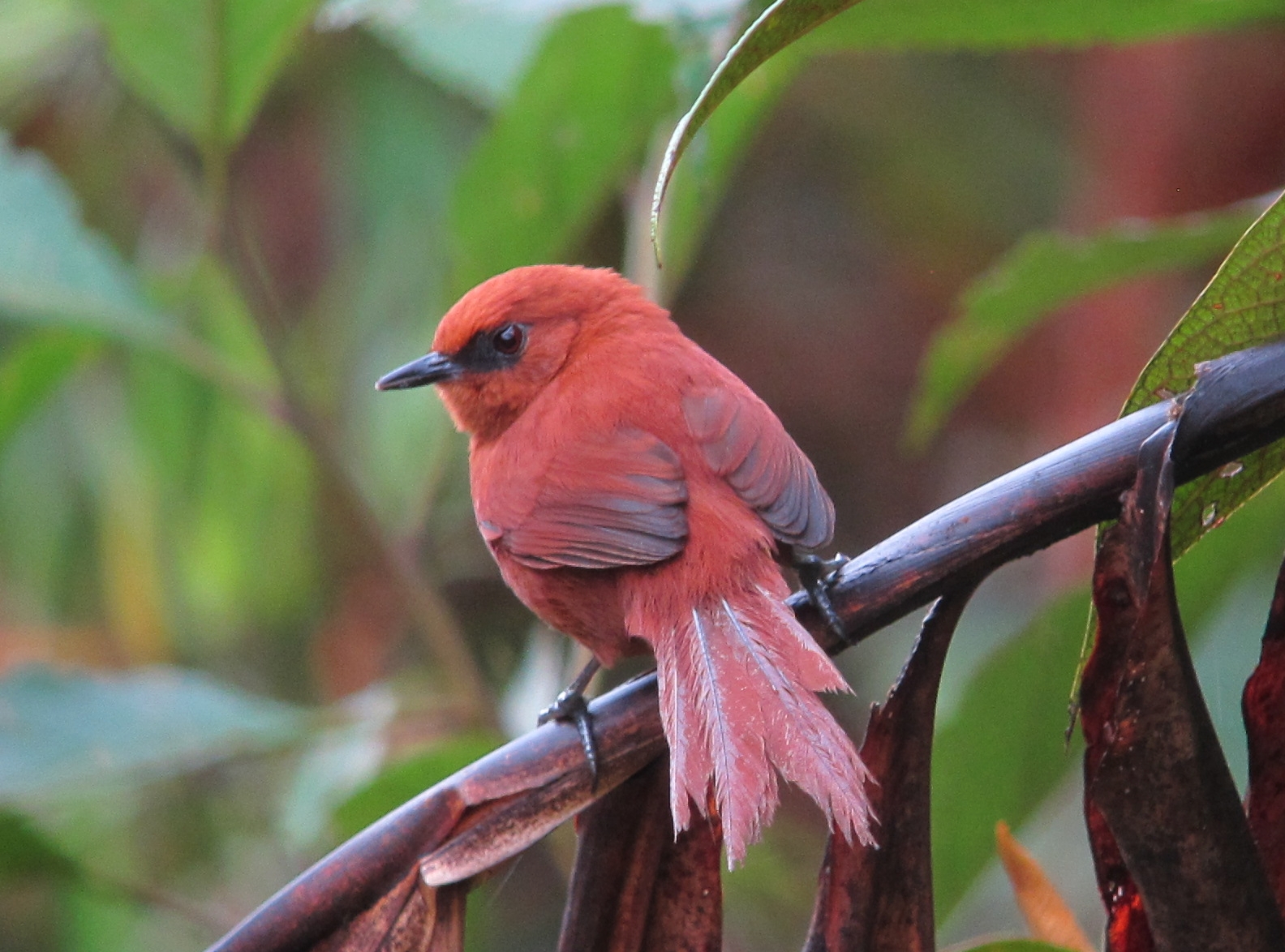
Rufous Spinetail
VUSynallaxis unirufa

Rufous-bellied Seedsnipe
ENAttagis gayi

Rufous-breasted Warbling-finch
ENPoospiza rubecula

Rufous-crested Tanager
VUCreurgops verticalis

Rufous-crowned Pittasoma
ENPittasoma rufopileatum

Rufous-necked Foliage-gleaner
VUSyndactyla ruficollis

Rufous-Necked Wood Rail
VUAramides axillaris

Rufous-rumped Seedeater
VUSporophila hypochroma
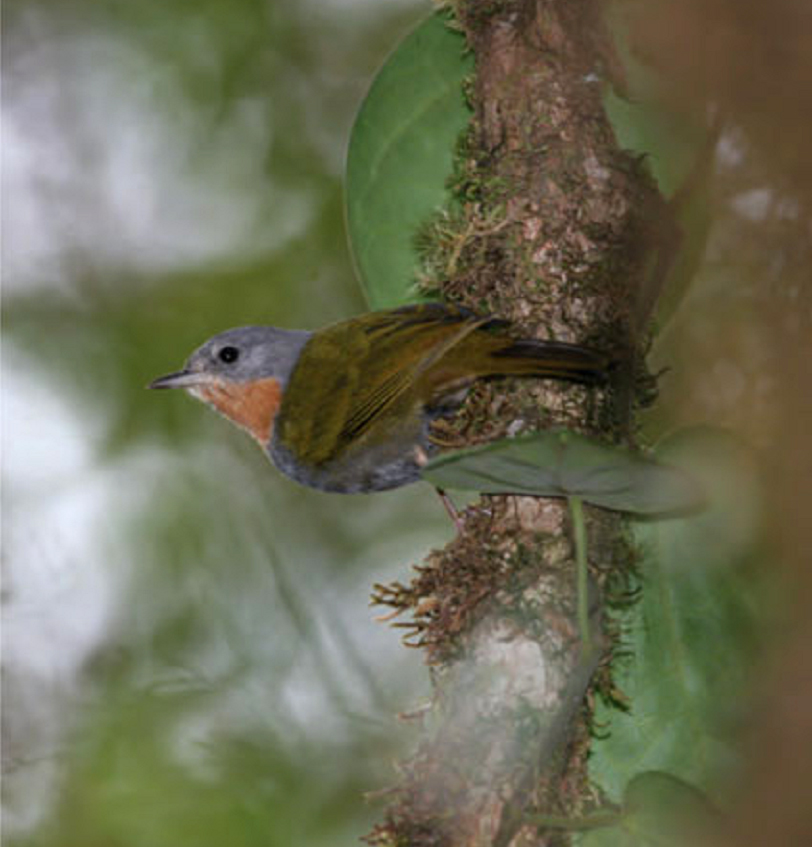
Rufous-throated White-eye
ENMadanga ruficollis
rufsehaimattevever
ENAgyneta cauta
Rugose Squat Lobster
VUMunida sarsi
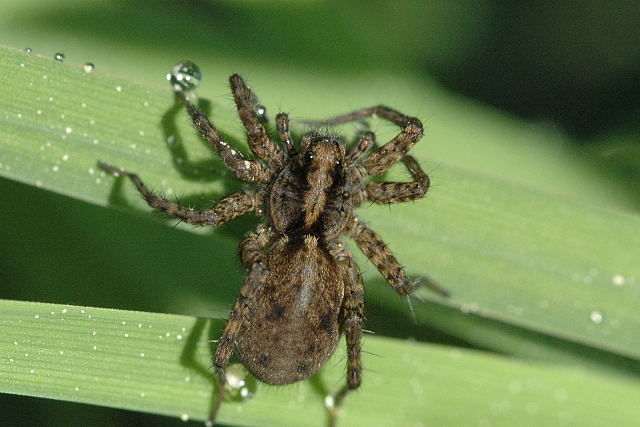
ruigtewolfspin
CRPardosa agricola
The ruigtewolfspin (Pardosa agricola) faces severe population declines due to intensive agricultural practices that destroy its specialized habitat requirements. Agricultural intensification, pesticide use, and habitat fragmentation have dramatically reduced suitable breeding and foraging areas across its range, pushing remaining populations to critically low levels.
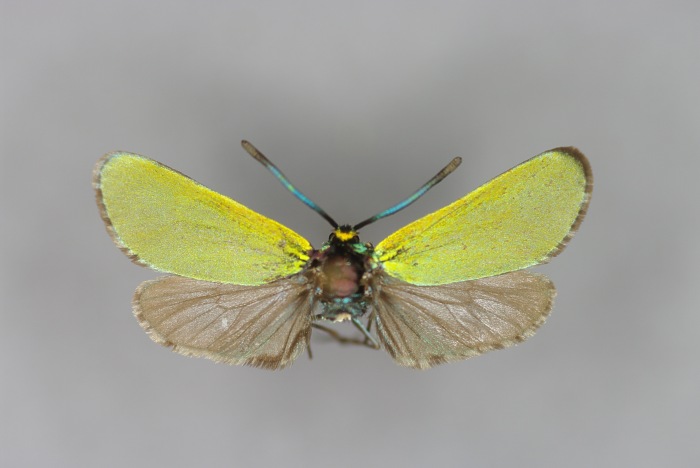
Rumex Forester
CRAdscita mannii
The Forester moth (Adscita mannii) faces severe population declines due to habitat loss from agricultural intensification and urban development across its European range. Climate change and the degradation of traditional grassland management practices have further reduced suitable breeding sites, while the species' specialized larval host plant requirements make it particularly vulnerable to environmental changes.
Rundhoftet vandkalv
CRDytiscus dimidiatus
Dytiscus dimidiatus faces severe population declines due to widespread habitat degradation and loss of suitable aquatic environments. The species is particularly vulnerable to water pollution, eutrophication, and drainage of wetlands for agricultural and urban development, which have significantly reduced the availability of clean, well-oxygenated water bodies essential for its survival.
Rundvelum-Mürbling
ENPsathyrella sphaerocystis
Rüppell's Vulture
CRGyps rueppellii
Rüppell's Vulture faces severe population declines across its African range due to widespread poisoning, both intentional and incidental, along with habitat loss and reduced food availability. The species has experienced catastrophic declines of over 80% in recent decades, making it one of Africa's most critically endangered raptors. Conservation status may vary by region or assessment authority, but the overall trajectory remains deeply concerning.

ruskoveistiäinen
CRNitidula rufipes
Nitidula rufipes faces severe population declines due to habitat destruction and degradation of its specialized microhabitats. The species' dependence on specific decaying organic matter and associated fungal communities makes it particularly vulnerable to environmental changes and habitat fragmentation.
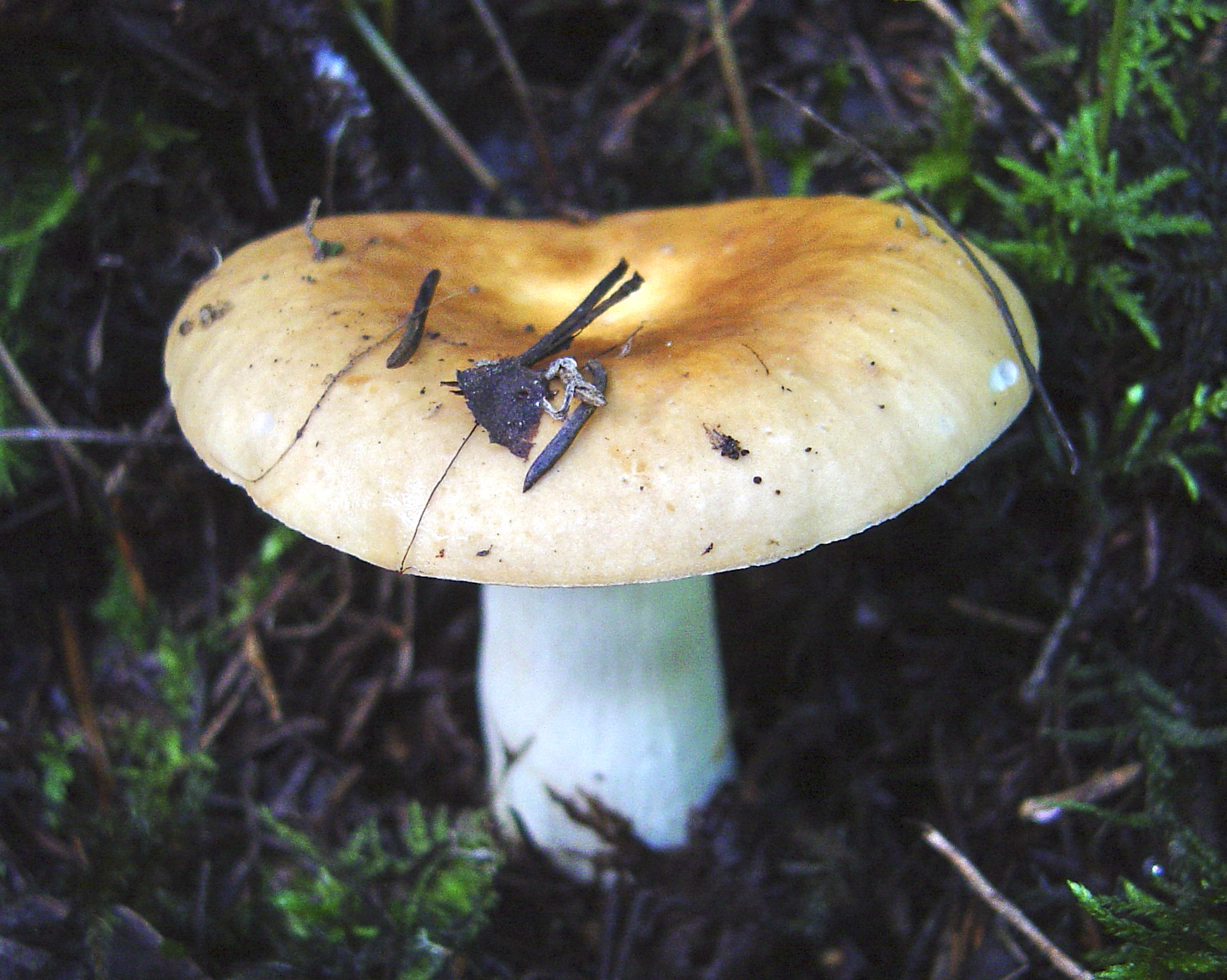
Russet Brittlegill
VURussula mustelina
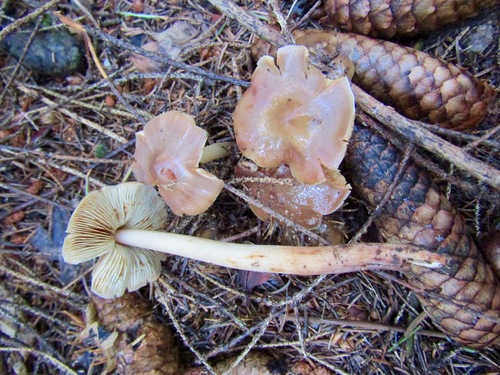
Russet Rootshank
CRPhaeocollybia lugubris
The Russet Rootshank faces severe threats from habitat loss due to deforestation and fragmentation of old-growth coniferous forests where it depends on specific mycorrhizal relationships. Climate change is altering the delicate moisture and temperature conditions required for fruiting body development, while pollution and soil acidification from industrial activities further degrade its specialized habitat requirements.
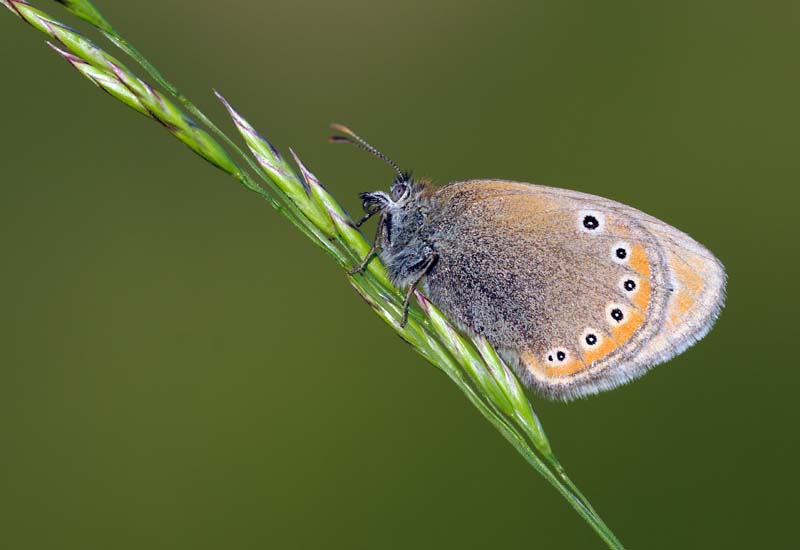
Russian Heath
VUCoenonympha leander
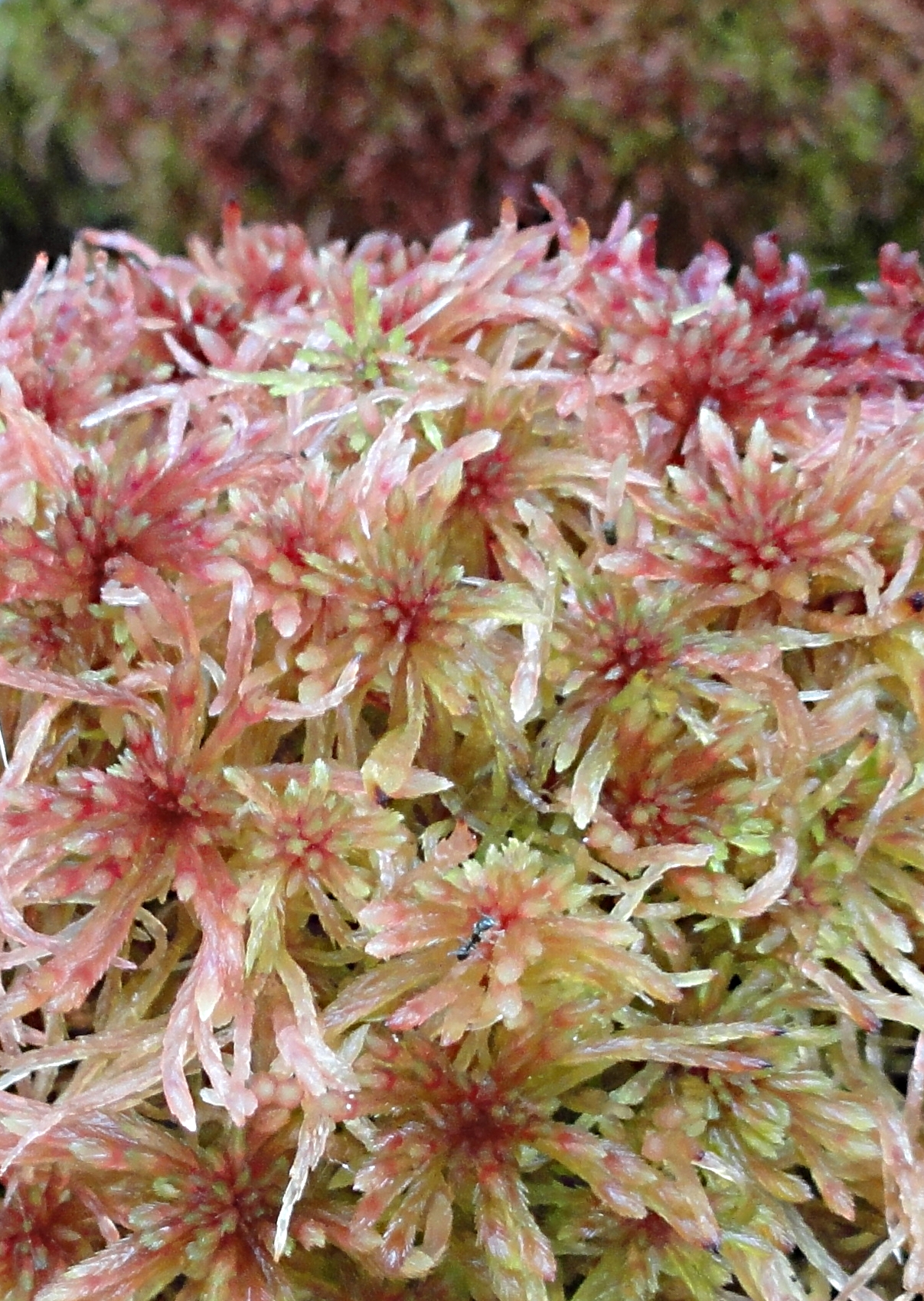
Russow's Sphagnum
VUSphagnum russowii
Russule à lames fragiles
ENRussula romellii
Russule à odeur de miel
VURussula melliolens
Russule azurée
VURussula azurea
Russule bouton de rose
VURussula roseicolor
Russule couleur de pêche
VURussula persicina
Russule des charmes
VURussula carpini
Russule fausse-aurore
VURussula lepidicolor

Russule gaie
CRRussula laeta
Russula laeta faces severe threats from habitat destruction due to deforestation and forest fragmentation, which eliminates the specific mycorrhizal relationships this fungus requires with host trees. Climate change poses additional risks by altering temperature and moisture conditions essential for fruiting body development and spore dispersal.
Russule grise des peupliers
VURussula sublevispora
Russule jaunissante
VURussula luteotacta
Russule lie-de-vin
ENRussula vinosopurpurea

Russule maculée
VURussula maculata
Russule noircie
CRRussula seperina
Russula seperina faces severe threats from habitat loss due to deforestation and forest fragmentation, which destroys the specific mycorrhizal relationships essential for this fungal species' survival. Climate change is altering forest conditions and disrupting the delicate ecological balance required for spore production and dispersal. Pollution and soil contamination from agricultural runoff and industrial activities further degrade the forest ecosystems this species depends upon.
Russule odorante
VURussula odorata
Russule pastel
VURussula subterfurcata
Russule rose bonbon
ENRussula veternosa
Russule sanguine des marais
ENRussula helodes
Russule timide
VURussula puellula