Species Explorer
Browse and search species from the IUCN Red List and GBIF.
54,666 species
sand cat's-tail
VUPhleum arenarium

Sand Dart
ENAgrotis ripae
Sand Deceiver
ENLaccaria maritima
Sand Digger Wasp
CRMellinus crabroneus
The Sand Digger Wasp faces severe population declines due to widespread habitat loss from agricultural intensification and urban development that destroys the sandy soils essential for nesting. Climate change and increased frequency of extreme weather events further threaten remaining populations by altering prey availability and disrupting reproductive cycles.
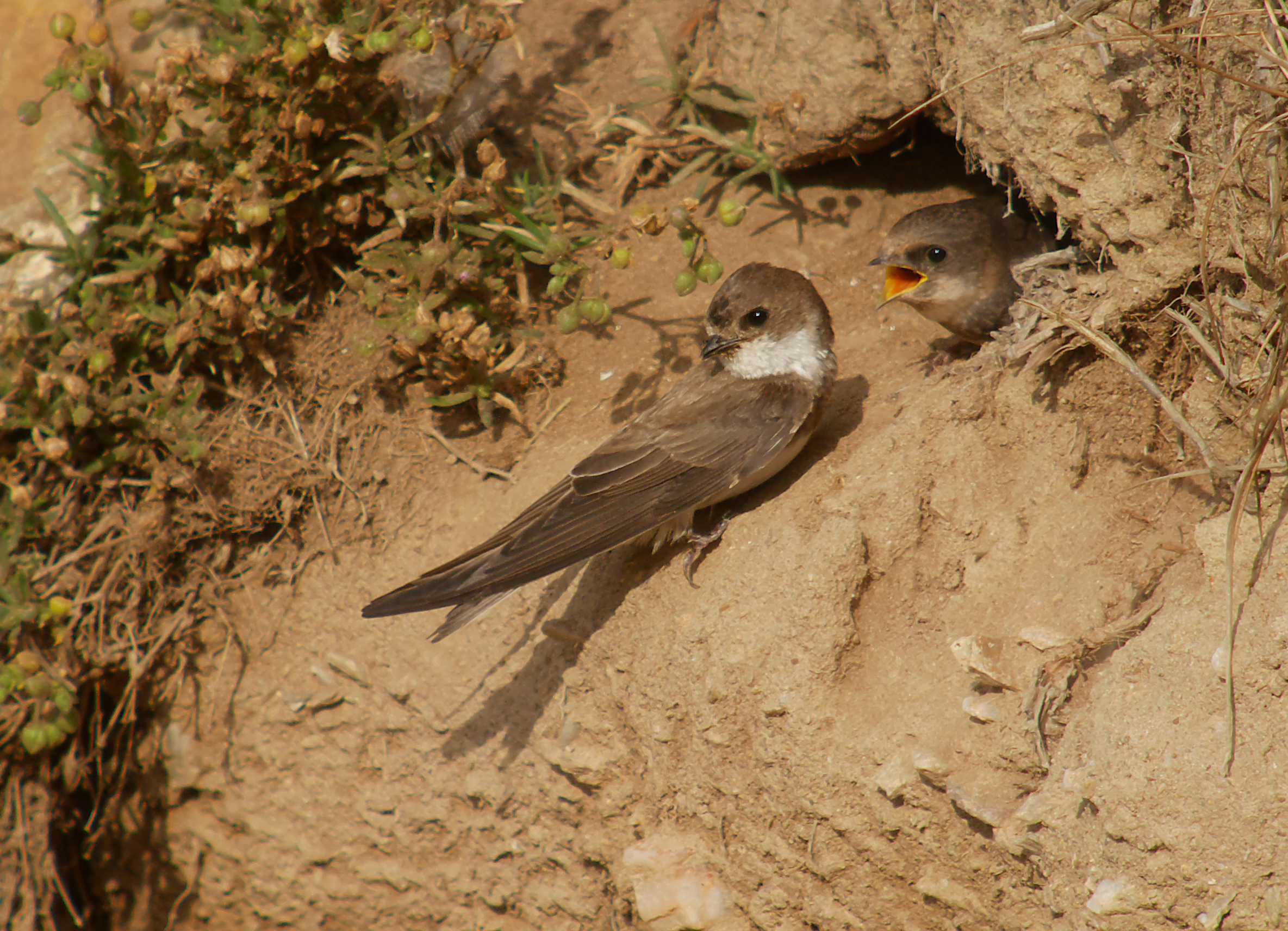
Sand Martin, Bank Swallow
VURiparia riparia

Sand Owlet
ENScythris cicadella

sand rush
ENJuncus tenageia
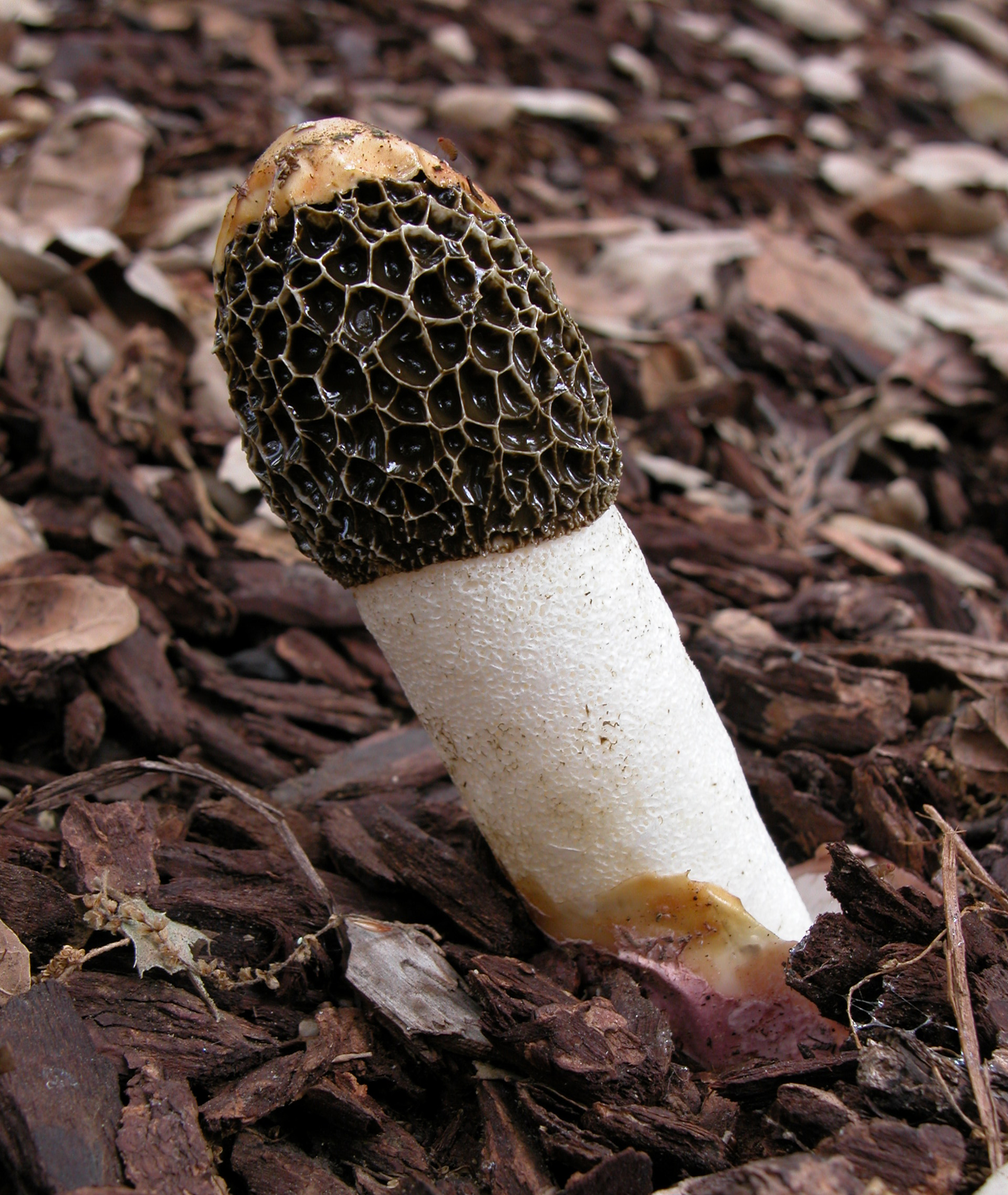
Sand Stinkhorn
CRPhallus hadriani
The Sand Stinkhorn faces severe threats from coastal development and habitat destruction, as its specialized sandy coastal and dune ecosystems are increasingly converted for tourism and urban development. Climate change poses additional risks through sea level rise and altered precipitation patterns that affect the specific soil conditions this fungus requires for fruiting and spore dispersal.
sand vetch
CRVicia acutifolia
Sand vetch faces severe population declines due to habitat loss from agricultural intensification and urban development across its native Mediterranean range. The species' specialized requirements for sandy soils and coastal environments make it particularly vulnerable to coastal development and changes in land use practices.

sand wolf spider
VUArctosa perita

sandfältspalpmal
ENBrachmia dimidiella
sandfinger
VUPelonaia corrugata

Sandhill midget
VUPhyllonorycter quinqueguttella

Sandhill Neb, Sandhill Moss-moth
VUBryotropha umbrosella

sandklövernålpalpmal
VUDichomeris limosellus
sandkrassingsvivel
VUCeutorhynchus posthumus

Sandmilemøl
ENGnorimoschema bodillum

sandnejlikegallmal
ENCaryocolum arenariella
Sandoldenborre
CRHoplia graminicola
The Sandoldenborre faces severe threats from habitat loss and fragmentation as sandy grasslands are converted for urban development and intensive agriculture. Changes in traditional land management practices and climate-induced alterations to soil conditions further threaten the species' specialized habitat requirements.
Sandrunner
VUSciocoris cursitans

sandstävmal
ENChionodes violacea
sandvivel
ENAttactagenus plumbeus

sandvoksmott
ENAphomia zelleri

Sandy Grizzled Skipper
VUPyrgus cinarae

Sanguisorba
VUSanguisorba officinalis

Sanicle Flat-body
ENAgonopterix astrantiae
sankmaskros
CRTaraxacum pseudosuecicum
Taraxacum pseudosuecicum faces severe threats from habitat loss due to agricultural intensification and urban development in its limited range. Climate change poses additional risks by altering the specific environmental conditions required for this specialized dandelion species, while invasive plant species compete for resources in its restricted habitat.

Santa Marta Warbler
VUBasileuterus basilicus

Saperde intermédiaire
CRSaperda similis
The intermediate poplar borer faces severe threats from habitat loss caused by deforestation, urban development, and changes in forest management that reduce suitable host trees. The species' specialized dependence on poplar and willow trees makes it particularly vulnerable to environmental changes affecting these hosts. Climate change may further impact the beetle through alterations to forest composition and host tree health.

Sapito
ENDupouyichthys sapito
saplungan
CRHopea plagata
Hopea plagata faces severe threats from widespread deforestation and habitat conversion throughout its range in Southeast Asian tropical forests. The species is particularly vulnerable due to its slow growth rate and high-value timber, making it a target for selective logging, while remaining populations are increasingly fragmented by agricultural expansion and urban development.
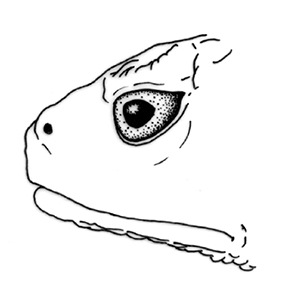
Sapo regordete de Peraca
VUOsornophryne bufoniformis

såpörtsmal
VUCaryocolum petryi

Sapphire Quail-dove
VUGeotrygon saphirina
Sardinita
ENPseudochalceus bohlkei

Satanic Nightjar
VUEurostopodus diabolicus
Savannah Lilliput
VUToxolasma pullum
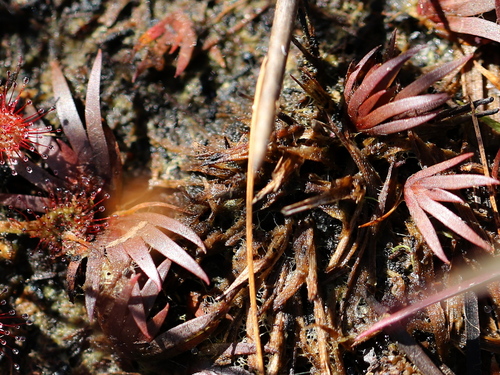
savannah yelloweyed grass
CRXyris flabelliformis
Savannah yelloweyed grass faces severe threats from habitat loss due to agricultural conversion and urban development of its specialized wetland habitats. The species' restricted range and specific ecological requirements make it particularly vulnerable to hydrological changes from drainage, water diversion, and altered fire regimes in savannah ecosystems.
Savbladet slørhat
VUCortinarius serratissimus
Savi's Warbler
VULocustella luscinioides
savtickfluga
VUNeoalticomerus formosus

Saw-tailed Bush-cricket
ENBarbitistes serricauda

Sawyer Beetle
CRPrionus coriarius
The Sawyer Beetle faces severe population declines due to widespread habitat loss from deforestation and urbanization, which eliminates the mature deciduous forests it requires for breeding. Climate change is altering forest composition and reducing suitable host tree species, while intensive forest management practices remove the dead and dying wood essential for larval development.

scalpel coral
VUGalaxea astreata
Scaly Breck-lichen
ENSquamarina lentigera

Scaly Fibrecap
ENInocybe hystrix

Scaly Knight
CRTricholoma vaccinum
The Scaly Knight faces severe population declines due to widespread habitat degradation and loss of suitable forest ecosystems. Climate change is altering the delicate soil chemistry and mycorrhizal relationships essential for this fungus, while increased pollution and soil contamination further threaten remaining populations.
Scaly Stalkball
CRTulostoma melanocyclum
The Scaly Stalkball faces severe threats from habitat loss due to agricultural expansion and urban development across its limited range. Climate change poses additional risks by altering the specific soil and moisture conditions this fungus requires for reproduction and survival.

Scaly Webcap
VUCortinarius pholideus

Scaly-naped Pigeon
VUPatagioenas squamosa