Species Explorer
Browse and search species from the IUCN Red List and GBIF.
54,666 species
myrfuktspindel
VURobertus ungulatus
myrglansspindel
VUHypsosinga heri
myrgropspindel
VUDiplocephalus dentatus
myrsildrerust
ENMelampsora hirculi

Myrsländfluga
ENSphaerophoria fatarum

Myrtle
ENMyrtus communis

myrvapenfluga
VUClitellaria ephippium
Nabelrötling
ENEntoloma phaeocyathum
nacktofsspindel
ENAcartauchenius scurrilis
Naga (Flores)
VUSympetalandra schmutzii
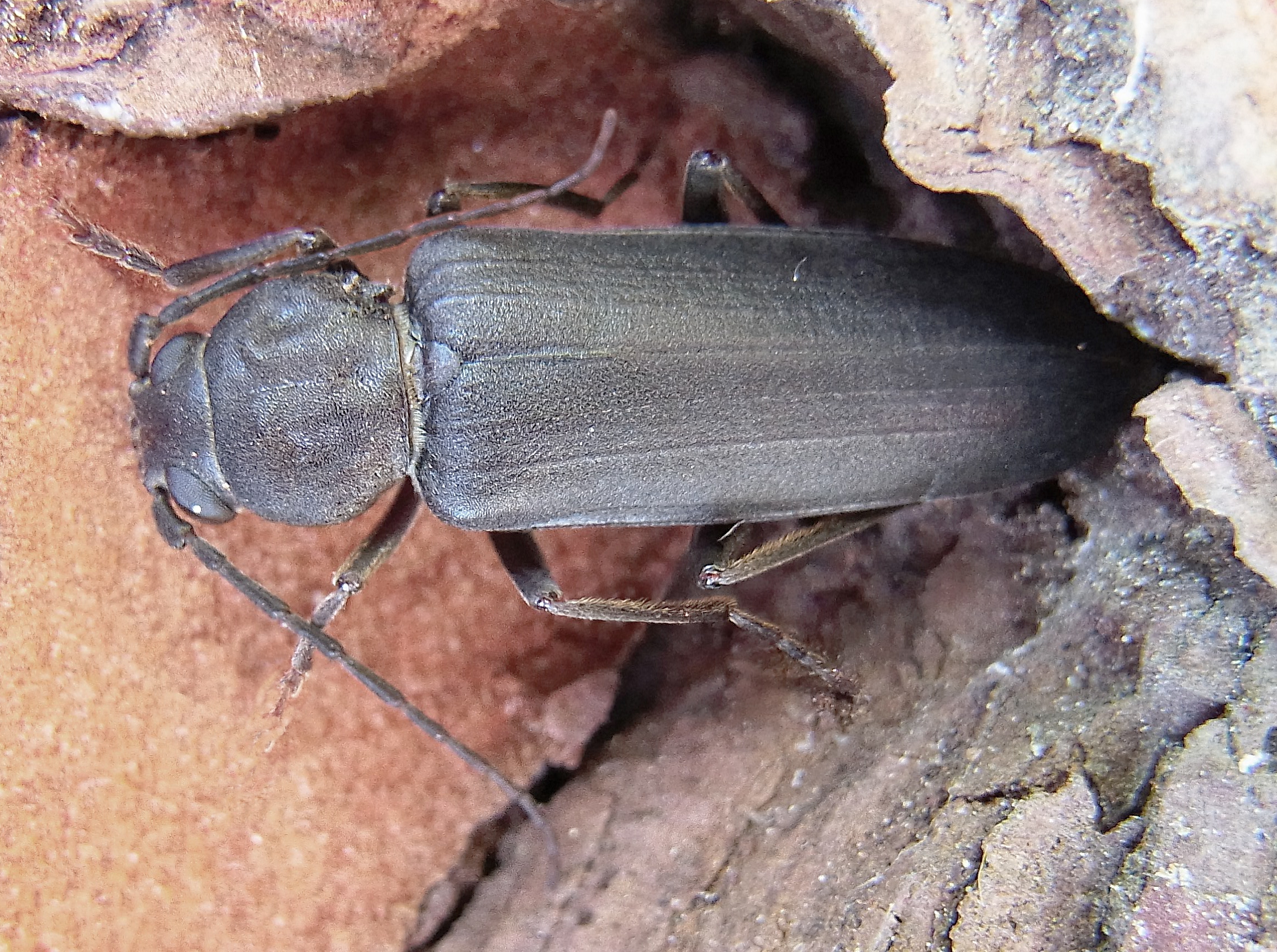
naken barkbock
CRArhopalus ferus
The naken barkbock faces severe population declines due to widespread deforestation and habitat fragmentation across its range. Climate change is altering the composition of coniferous forests, while intensive forestry practices remove the dead and dying trees essential for larval development.
nåldyna
ENPorania stormi
nålsögespindel
VUTrematocephalus cristatus
narreglye
VUStaurolemma omphalarioides

Narrow-fruited Cornsalad
VUValerianella dentata

Narrow-leaved Helleborine
ENCephalanthera longifolia
The Narrow-leaved Helleborine faces severe population declines primarily due to habitat destruction and fragmentation of its specialized woodland environments. Agricultural intensification, urban development, and changes in forest management practices have significantly reduced suitable habitat availability. Climate change and altered precipitation patterns further threaten the delicate ecological balance required for this orchid's survival.
narrow-legged squat lobster
VUMunida tenuimana

Narrow-mouthed Whorl Snail
CRVertigo angustior
The Narrow-mouthed Whorl Snail faces severe threats from habitat loss and degradation of its specialized wetland environments. Agricultural intensification, drainage of fens and marshes, and changes in water management practices have dramatically reduced suitable habitat across its range, while climate change poses additional risks through altered precipitation patterns and temperature regimes.

Narrowleaf Burreed
ENSparganium angustifolium

Narrowleaf Peatmoss
ENSphagnum angustifolium
narulukkokiiluri
VUSyntormon filiger
narvgropvivel
VUGronops lunatus
Nashorn-Blattzikade
ENArboridia erecta

Natal Frog
ENNatalobatrachus bonebergi
Natal Wing-nut
VUAtalaya natalensis
nätfibbla
CRHieracium pycnotomum
Hieracium pycnotomum faces severe threats from habitat loss due to agricultural expansion and urban development in its limited range. The species' highly specialized habitat requirements and small population size make it extremely vulnerable to environmental changes and human disturbance.

nätgurknuding
VUPalio nothus

Natterer's Bat
CRMyotis nattereri
Natterer's Bat faces severe population declines due to widespread habitat destruction and roost site loss from building renovations and cave disturbance. Climate change is altering insect prey availability and disrupting hibernation patterns, while white-nose syndrome and other diseases pose additional mortality risks to already fragmented populations.

Natterjack
ENEpidalea calamita
Naxos Marbled Bush-cricket
ENEupholidoptera astyla
Nayón
VUPseudocurimata boehlkei

Nazca Booby
VUSula granti

Neat Mining Bee
VULasioglossum nitidiusculum
Necker's Thamnobryum Moss
VUThamnobryum neckeroides
negltaggedderkopp
CRErigone promiscua
The negltaggedderkopp faces severe threats from coastal development and recreational activities that destroy or fragment its specialized dune habitats. Invasive plant species alter the structure of its preferred sparse vegetation communities, while climate change impacts including sea level rise threaten the stability of coastal dune systems.
Negros Spotted Water Snake
VUTropidonophis negrosensis

nejlikmalmätare
VUEupithecia fennoscandica
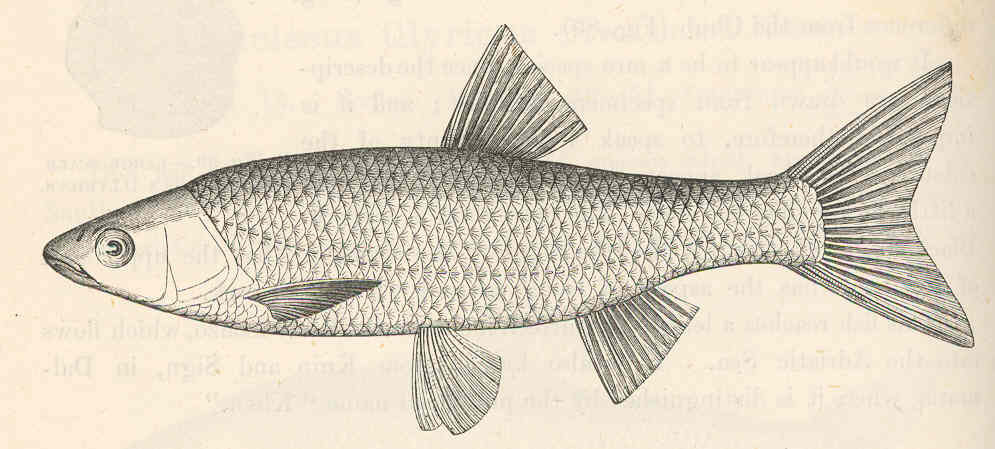
Neretva chub
VUSqualius svallize
Neretva spined loach
VUCobitis narentana
Netted prochilod
VUProchilodus reticulatus
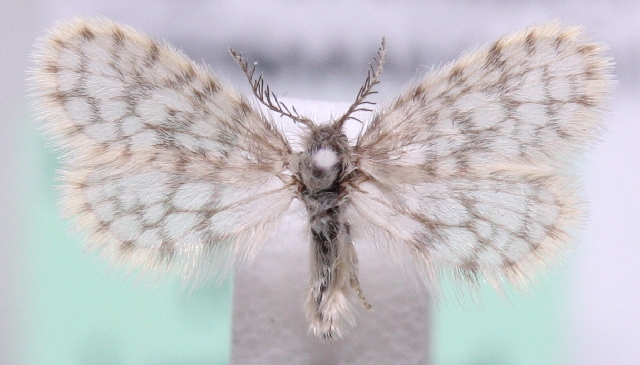
Netted Sweep
CRWhittleia retiella
The Netted Sweep faces severe population declines due to habitat destruction from agricultural expansion and urban development across its limited range. Climate change is altering the specific environmental conditions required for this species' survival, while invasive species compete for resources and disrupt ecosystem balance.

Nettle-tree Butterfly
VULibythea celtis
The Nettle-tree Butterfly faces significant population declines primarily due to habitat loss and degradation of its specialized woodland environments. The species' dependence on specific host plants, particularly nettle trees (Celtis species), makes it particularly vulnerable to forest fragmentation and changes in land use that eliminate these critical food sources.

Neusgalgspin
VULasaeola prona
New Britain Thicketbird
VUMegalurulus grosvenori
New Forest Beech-lichen
CREnterographa elaborata
The New Forest Beech-lichen faces severe threats from air pollution, particularly nitrogen deposition and acid rain, which alter the bark chemistry of its host beech trees and make conditions unsuitable for growth. Climate change and habitat fragmentation further compound these pressures by reducing suitable microhabitats and limiting the species' ability to colonize new areas.

New Tawny Tubic
VUBatia internella
Niandani kardsalmler
ENBrycinus carolinae

niangon
VUHeritiera utilis
Nicaraguan Mosquitofish
VUGambusia nicaraguensis

Nicobarese Tree Frog
ENPolypedates insularis