
Nettle-tree Butterfly
Libythea celtis
Photo: Wikimedia Commons (CC) via https://en.wikipedia.org/wiki/Libythea_celtis
Overview
Nettle-tree Butterfly (Libythea celtis)
The Nettle-tree Butterfly is a distinctive medium-sized butterfly characterized by its angular wing shape and prominent snout-like projection formed by elongated labial palps. Adults display orange-brown coloration with white spots and dark borders on their forewings. This species exhibits strong host plant specificity, with larvae feeding exclusively on hackberry trees (Celtis species).
Adults are known for their erratic flight patterns and tendency to bask with wings spread on sunny surfaces.
The species demonstrates one of the broadest geographic distributions among butterflies, spanning from Western Europe through Asia to parts of North America. Populations occur across diverse climatic zones, from Mediterranean scrublands to temperate forests and semi-arid regions. The butterfly inhabits areas where its host plants grow, typically in woodland edges, river valleys, and disturbed habitats with scattered hackberry trees.
Despite its extensive range, the Nettle-tree Butterfly faces mounting pressures from habitat fragmentation and the decline of hackberry populations. Urban development, intensive agriculture, and forest management practices that remove native Celtis trees pose significant challenges. Climate change may also affect the synchronization between butterfly emergence and host plant phenology across different regions.
Conservation efforts remain limited and fragmented across the species' range. Some European countries include the butterfly in biodiversity monitoring programs, while habitat restoration projects occasionally incorporate hackberry planting. However, comprehensive population assessments are lacking for most regions.
The species' current outlook remains uncertain due to insufficient population data. While its wide distribution provides some resilience, localized declines suggest continued monitoring and targeted conservation measures are necessary to prevent further population fragmentation.
The Nettle-tree Butterfly faces significant population declines primarily due to habitat loss and degradation of its specialized woodland environments. The species' dependence on specific host plants, particularly nettle trees (Celtis species), makes it particularly vulnerable to forest fragmentation and changes in land use that eliminate these critical food sources.
Habitat
Other threatened species in Nymphalidae
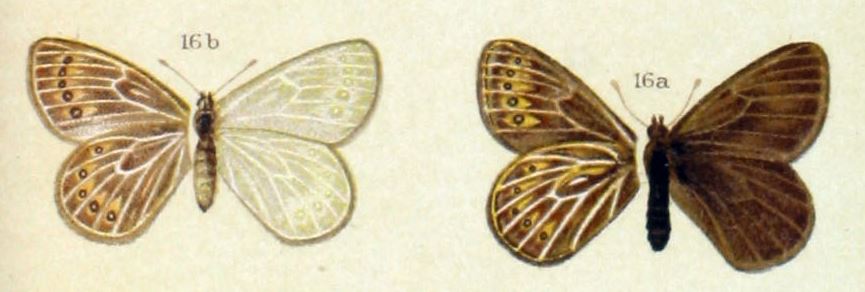


Threatened in Albania

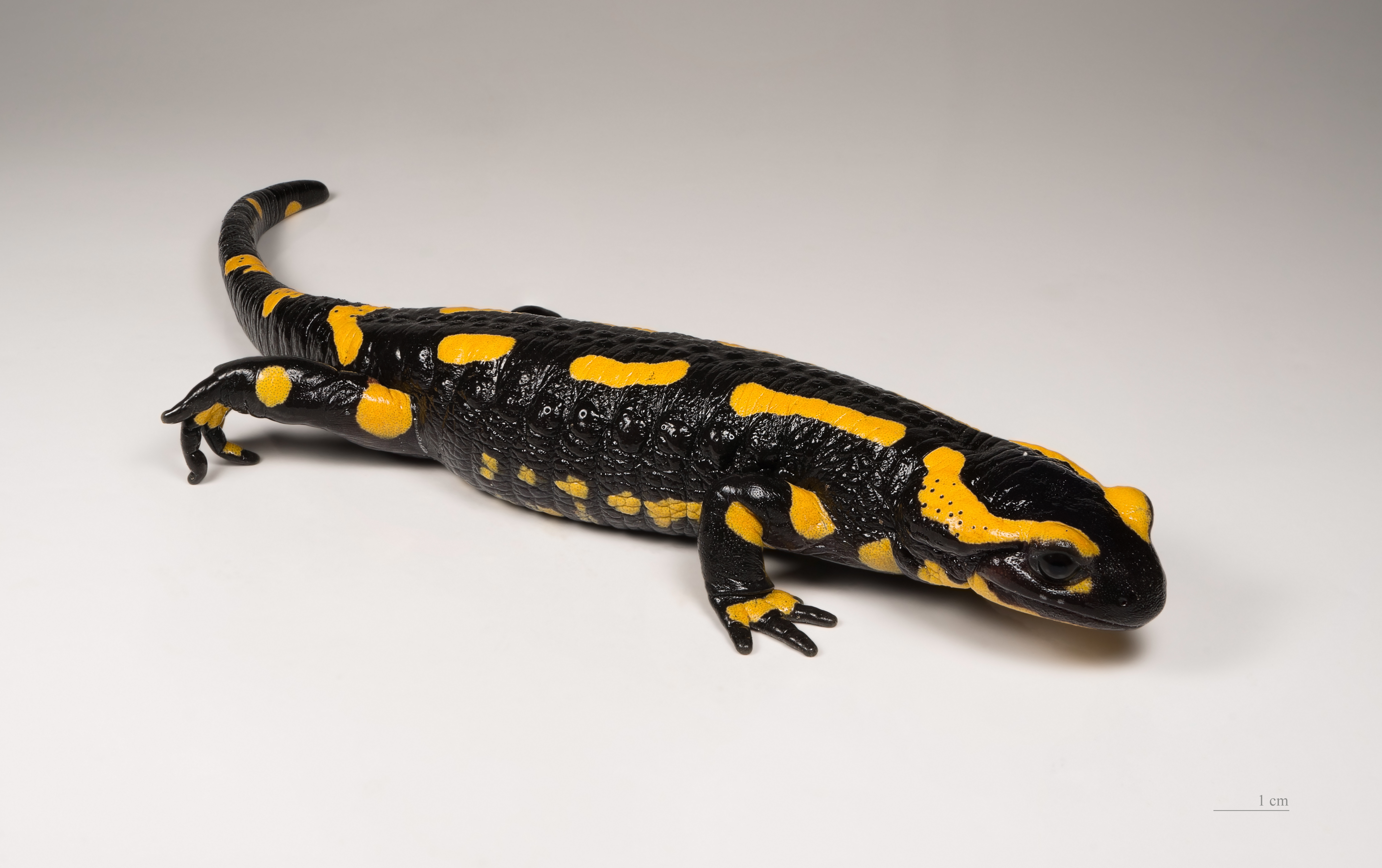
Frequently asked questions
Why is Nettle-tree Butterfly classified as Vulnerable?
Where does Nettle-tree Butterfly live?
What are the main threats to Nettle-tree Butterfly?
Get weekly conservation intelligence
One short digest a week of the most striking species and country data we ship, plus breaking conservation news paired with our database where it matters.
Free, no spam. One-click unsubscribe in every email.