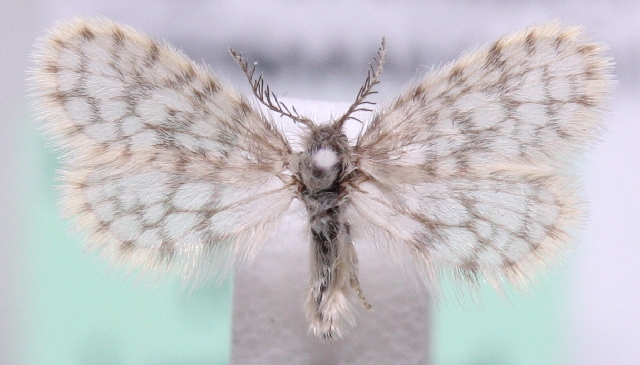
Netted Sweep
Whittleia retiella
Photo: Wikimedia Commons (CC) via https://en.wikipedia.org/wiki/Whittleia_retiella
Overview
Whittleia retiella is a moth of the Psychidae family. It is found in Great Britain, the Netherlands, France, Germany, Denmark and Sweden.
The Netted Sweep faces severe population declines due to habitat destruction from agricultural expansion and urban development across its limited range. Climate change is altering the specific environmental conditions required for this species' survival, while invasive species compete for resources and disrupt ecosystem balance.
Habitat
Occupies specialized microhabitats in temperate grasslands, woodland edges, and scrubland areas with specific vegetation structure and moisture requirements. The species shows strong preference for areas with particular host plants and requires undisturbed patches within fragmented landscapes.
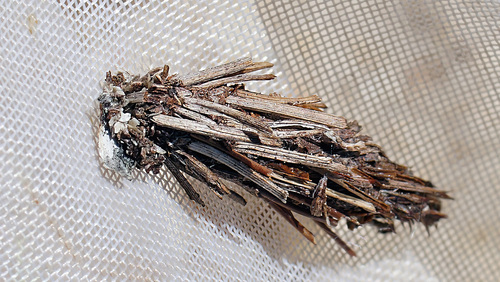
Other threatened species in Psychidae

Threatened in Denmark

Frequently asked questions
Why is Netted Sweep classified as Critically Endangered?
Where does Netted Sweep live?
What are the main threats to Netted Sweep?
Get weekly conservation intelligence
One short digest a week of the most striking species and country data we ship, plus breaking conservation news paired with our database where it matters.
Free, no spam. One-click unsubscribe in every email.