
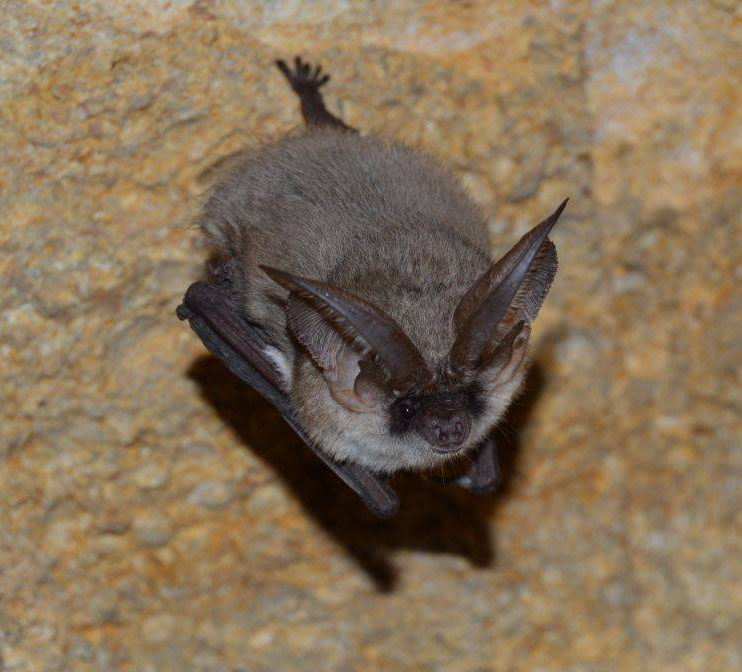
Natterer's Bat
Myotis nattereri
Photo: Wikimedia Commons (CC) via https://en.wikipedia.org/wiki/Natterer's_bat
Overview
A detailed profile for this species is sourced from the IUCN Red List of Threatened Species as assessments become available.
Natterer's Bat faces severe population declines due to widespread habitat destruction and roost site loss from building renovations and cave disturbance. Climate change is altering insect prey availability and disrupting hibernation patterns, while white-nose syndrome and other diseases pose additional mortality risks to already fragmented populations.
Habitat
Mixed deciduous and coniferous woodlands, parklands, and wooded river valleys, typically roosting in tree holes, buildings, and underground sites including caves and tunnels. Forages over woodland edges, water bodies, and open areas with dense vegetation cover.
Other threatened species in Vespertilionidae



Frequently asked questions
Why is Natterer's Bat classified as Critically Endangered?
Where does Natterer's Bat live?
What are the main threats to Natterer's Bat?
Get weekly conservation intelligence
One short digest a week of the most striking species and country data we ship, plus breaking conservation news paired with our database where it matters.
Free, no spam. One-click unsubscribe in every email.