Species Explorer
Browse and search species from the IUCN Red List and GBIF.
54,666 species
mørk vedblomsterfluge
VUXylota caeruleiventris
mörkbårdad klarvingesvävfluga
VUVilla fasciata
Mørkegrå kratvokshat
ENCamarophyllopsis atrovelutina
Mørkrandet frynsehinde
VUPseudotomentella nigra
mörkstiftig hällfibbla
VUHieracium sublividum

Morotai Friarbird
VUPhilemon fuscicapillus

Mosebugsvømmer
ENGlaenocorisa propinqua

Moseskøjteløber
CRGerris lateralis
Gerris lateralis faces severe threats from habitat degradation and loss of suitable aquatic environments. Climate change and pollution are altering water chemistry and temperature regimes in the specialized freshwater habitats this species requires, while urban development and agricultural intensification continue to fragment and destroy remaining populations.
Mosespringtæge
VUMicracanthia marginalis

Moss Ear
VUChromocyphella muscicola
Moss Fern
CRHecistopteris pumila
The Moss Fern faces severe threats from habitat destruction and fragmentation of its specialized tropical forest environments. Its extremely limited distribution and specific microhabitat requirements make populations highly vulnerable to environmental changes and human disturbance. Climate change poses additional risks by altering the humid conditions essential for this species' survival.

mosslankmier
ENLeptothorax muscorum
mossluiper
ENApostenus fuscus

moswolfspin
VUArctosa leopardus
Mottled blenny
VUScartella nuchifilis

Mottled dung beetle
ENOnthophagus nuchicornis

Mottled Grasshopper
VUMyrmeleotettix maculatus

Mount Karthala White-eye
VUZosterops mouroniensis
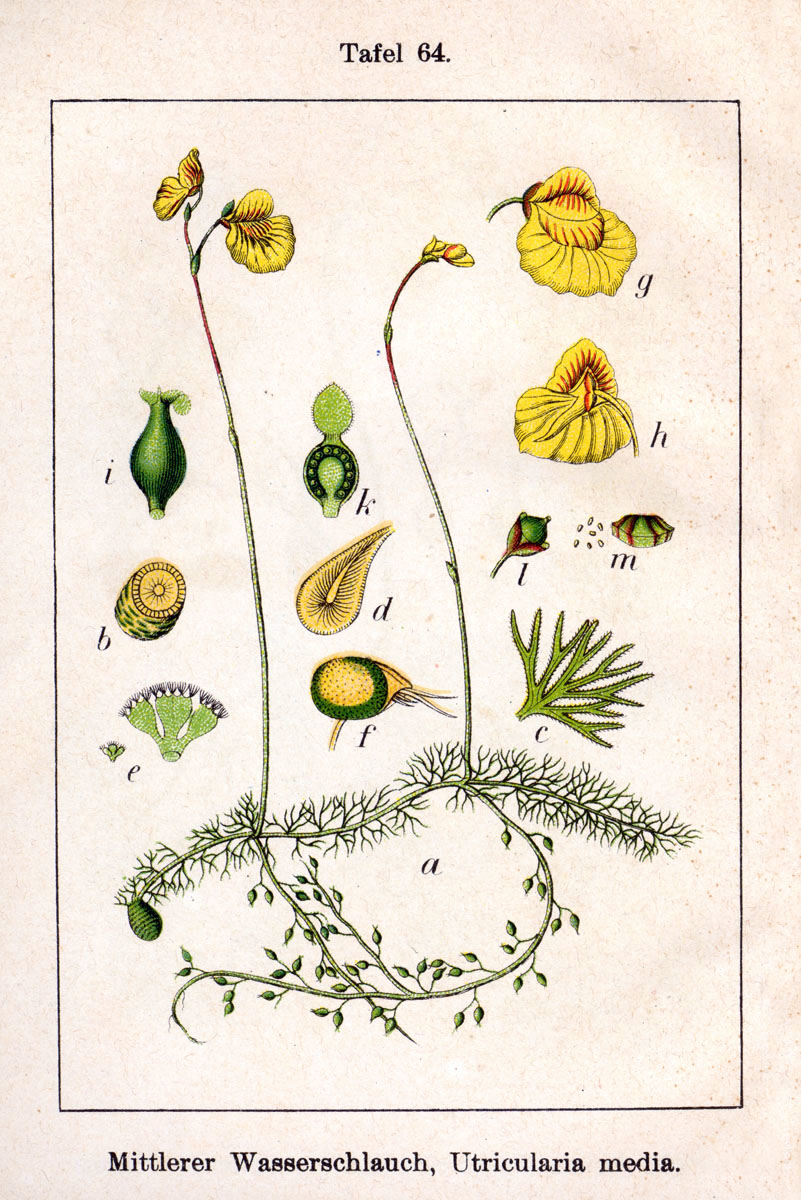
Mountain Bladderwort
CRUtricularia intermedia
Mountain Bladderwort faces severe threats from habitat degradation and loss of specialized wetland ecosystems. Climate change and human disturbance to fragile bog and fen systems have significantly reduced suitable habitat, while water pollution and altered hydrology further compromise remaining populations.
Mountain Burrowing Snake
ENPseudorabdion montanum

Mountain Cat
ENLeopardus jacobitus

Mountain Ermel
ENEthmia pyrausta

Mountain Flat-body
VULevipalpus hepatariellus

Mountain Green-veined White
CRPieris bryoniae
The Mountain Green-veined White faces severe threats from climate change as warming temperatures force this cold-adapted alpine specialist to retreat to increasingly limited high-elevation refugia. Habitat fragmentation and degradation of alpine meadows through tourism development, infrastructure expansion, and changing land use practices further restrict available breeding areas and isolate remaining populations.

Mountain Groundling
ENBryotropha boreella
Mountain Leaf-toed Gecko
VUAsaccus montanus

Mountain Pademelon
ENThylogale lanatus

Mountain Plume
VUStenoptilia islandicus

Mountain Sipo
VUChironius monticola

Mountain Small White
VUPieris ergane

Mountain soursop, Wild soursop
CRAnnona montana
Mountain soursop faces severe population declines due to extensive habitat destruction from agricultural expansion and logging activities throughout its native range. The species' limited distribution and specific habitat requirements make it particularly vulnerable to ongoing deforestation pressures and climate change impacts on montane forest ecosystems.

Mountain Whorl Snail
VUVertigo alpestris
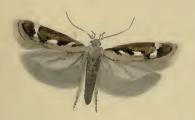
Mouse-ear Groundling, Beautiful Groundling
ENCaryocolum marmorea

mouse-eared snail
VUMyosotella myosotis

Moustached Kingfisher
ENActenoides bougainvillei

Mudwort
ENLimosella aquatica

Mueller's Epipactis
CREpipactis muelleri
Mueller's Epipactis faces severe threats from habitat destruction and fragmentation of its specialized woodland environments, particularly due to forestry practices and urban development. The species' extremely limited distribution and small population sizes make it highly vulnerable to local extinctions, while climate change poses additional risks to its specific ecological requirements.
Muhlenberg's Cord-moss
CREntosthodon muhlenbergii
Muhlenberg's Cord-moss faces severe threats from habitat destruction and degradation of its specialized wetland environments. Urban development, agricultural expansion, and hydrological changes have dramatically reduced suitable habitat, while pollution and climate change further compromise remaining populations.
Muizenoordikkopmot
ENScythris laminella

Mullein
ENVerbascum densiflorum

Mullein Wave
CRScopula marginepunctata
The Mullein Wave faces severe population declines due to habitat loss from agricultural intensification and urban development across its range. Climate change is altering the composition of its preferred grassland and heathland habitats, while light pollution disrupts its nocturnal behavior patterns.
Münters Brombeere
VURubus muenteri
murici-da-casca-seca
VULicania silvae
muruputkisirvikäs
ENLimnephilus hirsutus

Musk Orchid
CRHerminium monorchis
The Musk Orchid faces severe population declines across its range due to habitat destruction and degradation of its specialized grassland ecosystems. Agricultural intensification, urban development, and changes in traditional land management practices have eliminated many suitable sites, while climate change threatens the delicate ecological balance required for this species' survival.
muskotspindling
VUCortinarius phaeosmus
muskuskruidroest
VUPuccinia adoxae
Must hiinatrull
VUYunnanilus niger
Mustard Kidney Lichen
CRNephroma laevigatum
Mustard Kidney Lichen faces severe threats from air pollution, particularly nitrogen deposition and sulfur compounds, which dramatically alter the chemical composition of its substrate and surrounding environment. Habitat loss through deforestation and urban development has eliminated many suitable old-growth forest sites, while climate change is shifting precipitation patterns and temperature regimes beyond the species' tolerance limits.

mutton snapper
VULutjanus analis