
Palio nothus
Local name: nätgurknuding
Photo: Wikimedia Commons (CC) via https://en.wikipedia.org/wiki/Palio_nothus
Overview
A detailed profile for this species is sourced from the IUCN Red List of Threatened Species as assessments become available.
Palio nothus faces significant pressure from coastal development and marine pollution throughout its Mediterranean range. Bottom trawling and dredging activities destroy the soft sediment habitats where this nudibranch feeds and reproduces. Climate change-induced warming of Mediterranean waters may be altering the distribution and abundance of its sponge prey species, creating additional stress on already vulnerable populations.
Habitat
This nudibranch inhabits soft sediment bottoms in the Mediterranean Sea, typically found at depths between 10-50 meters where it feeds on encrusting sponges. It prefers areas with mixed sand and mud substrates that support diverse sponge communities.
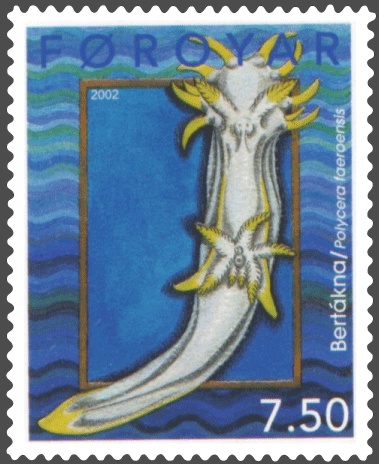
Other threatened species in Polyceridae
Threatened in France

Frequently asked questions
Why is nätgurknuding classified as Vulnerable?
Where does nätgurknuding live?
What are the main threats to nätgurknuding?
Get weekly conservation intelligence
One short digest a week of the most striking species and country data we ship, plus breaking conservation news paired with our database where it matters.
Free, no spam. One-click unsubscribe in every email.